
Last updated October 16, 2026
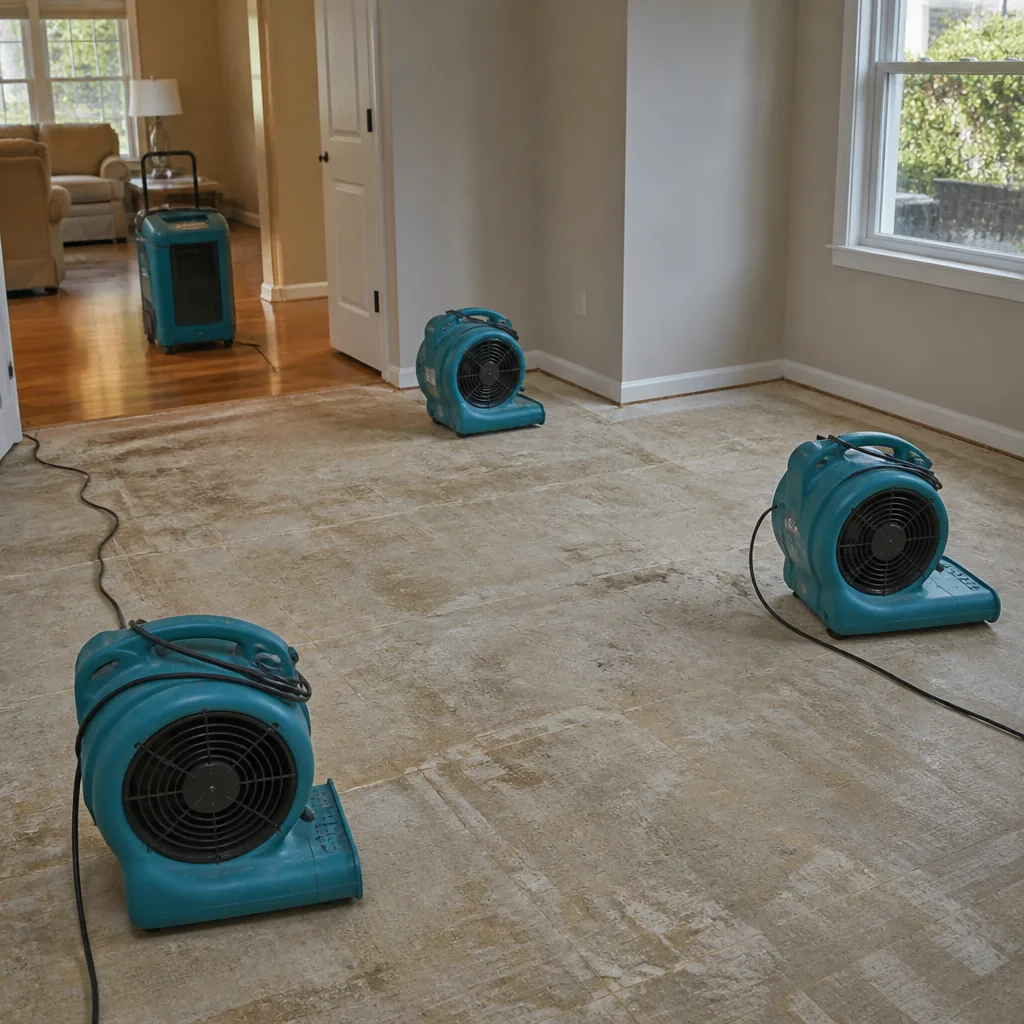 Water damage drying
 Fire & smoke cleanup
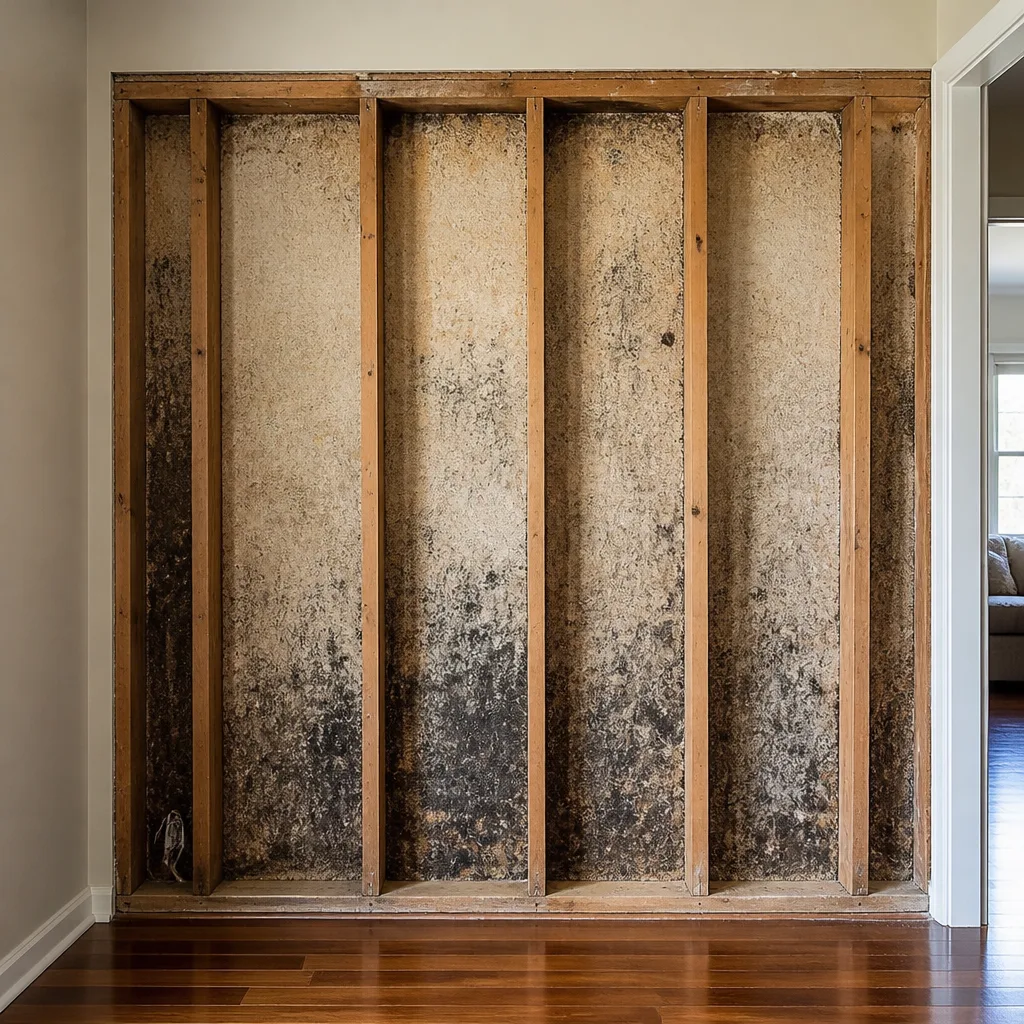 Mold remediation
 Storm response
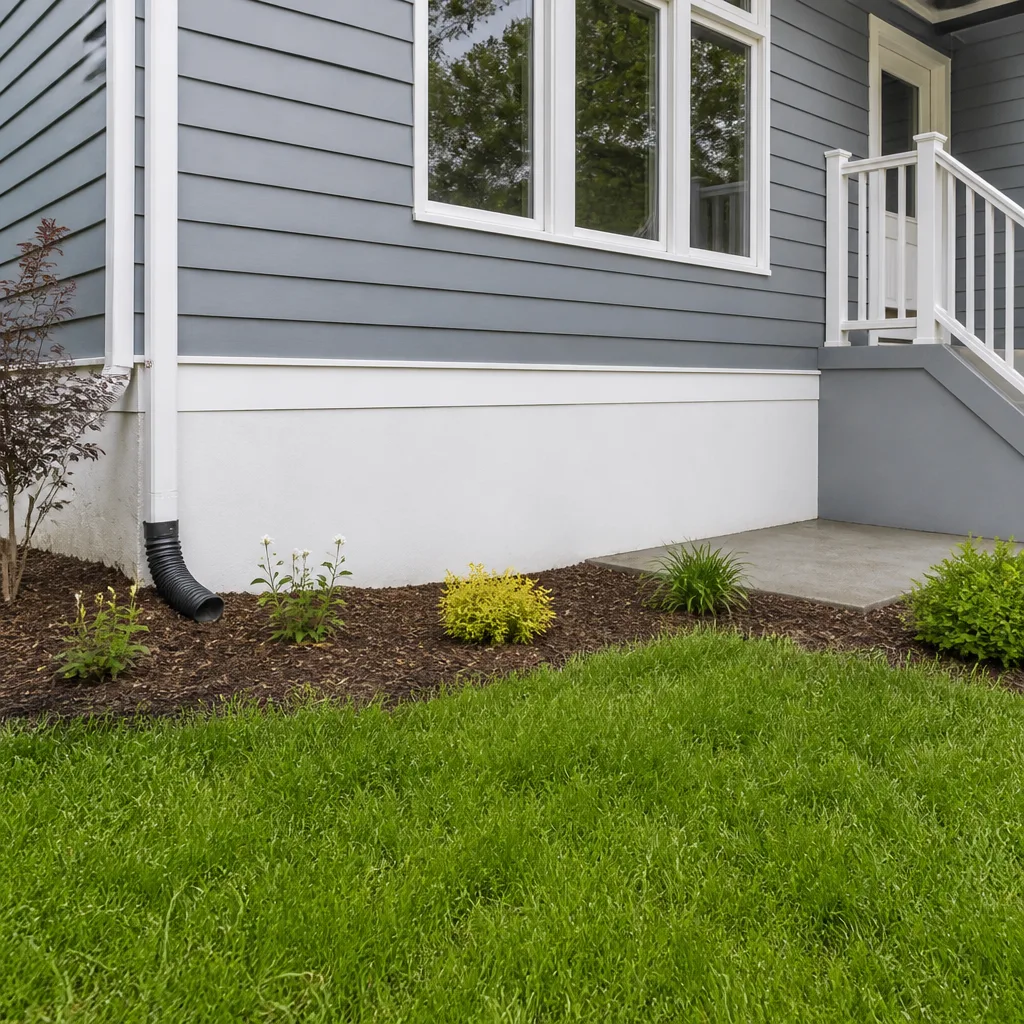 Sewage cleanup
 Reconstruction
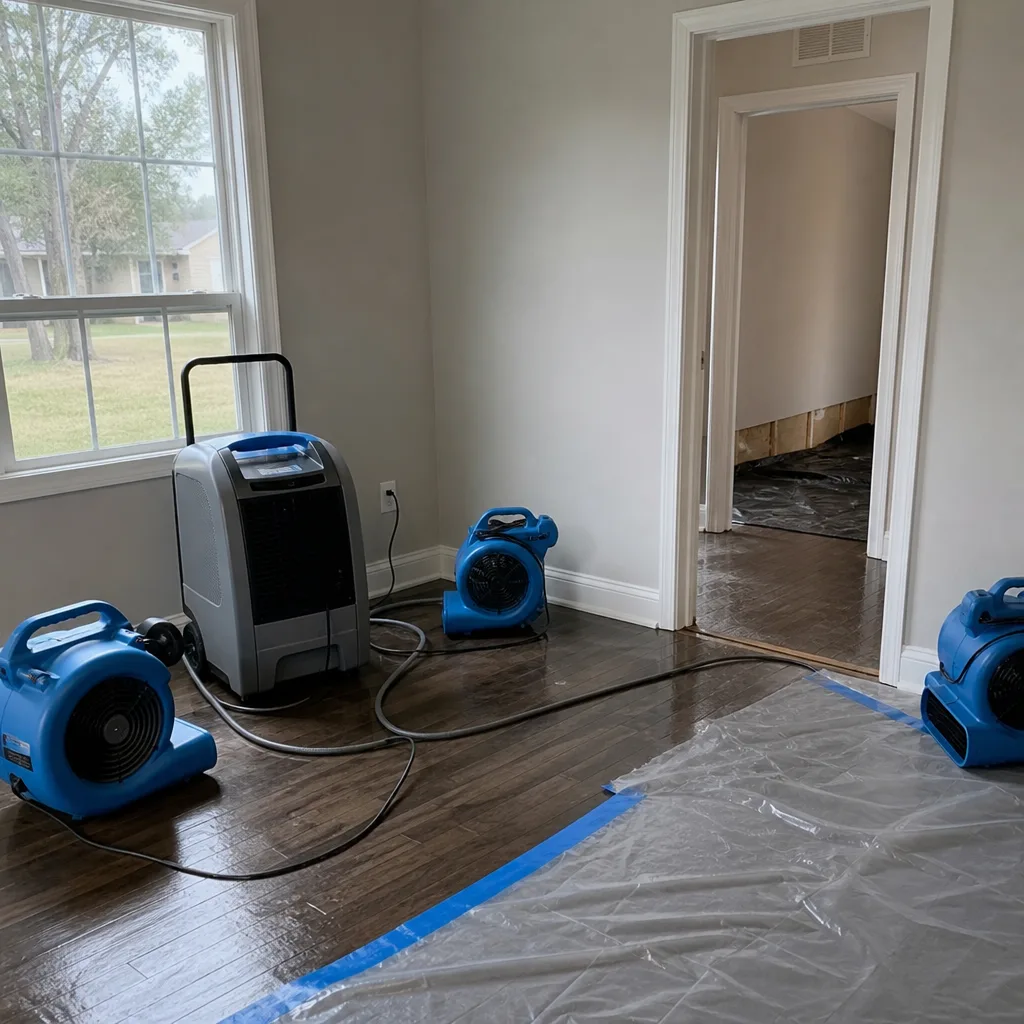
Free visual inspection and a written scope of work before any mitigation begins - photos, moisture readings, and drying logs go in your claim file
The scope we write is the scope we bill. Anything new gets shown to you, in writing, before we touch it.
Get your free estimateWater Damage Restoration Maintenance Checklist for Houston Homeowners
Every Houston summer, the Gulf humidity settles into your walls, and every spring, the storms test your roofline. What surprises most homeowners is not that water finds its way in. It’s how quietly the entry points form. We have walked thousands of Houston homes after the water receded, and the pattern is consistent: the homeowner did regular maintenance, but the checklist they used was built for curb appeal and air conditioning. Not moisture interception. This guide gives you the other checklist. The one that predicts whether you’ll need Water Damage Restoration services after the next storm.
Quick Answer
A water damage restoration maintenance checklist for Houston homeowners should cover six overlooked zones each quarter: foundation grading, downspout termination, window weep holes, attic and crawlspace humidity, appliance supply lines, and driveway crack routing. For a deeper dive, see The Complete Guide to Damage Restoration in Houston. Spend 20 minutes per quarter with a flashlight, a $20 humidity gauge, and your phone camera. Fix what you find that week. That habit stops most water damage claims before they start.
Restoration work we handle
Table of Contents
- Why Foundation Type Changes Your Whole Checklist
- The Five Exterior Checkpoints That Predict Interior Flooding
- The Room-by-Room Monthly Walkthrough
- The $20 Tool That Spots Hidden Moisture Before It Stains
- Pet-Safe Mold Prevention During Houston’s Humid Months
- The 365-Day Documentation Habit That Makes Insurance Claims Faster
- Appliance Supply Lines and the Slow Leaks Nobody Notices
- Common Mistakes to Avoid
- When to Call a Professional
- Frequently Asked Questions
Why Foundation Type Changes Your Whole Checklist
Houston sits on gumbo clay that swells when wet and shrinks when dry. That movement is why your maintenance checklist has to change depending on whether your home sits on a slab or pier-and-beam. A slab-on-grade home in Katy or Cypress moves moisture through the concrete itself. A pier-and-beam home in the Heights or Montrose breathes through the crawlspace below. We have seen both fail, but they fail differently, and the warning signs are not the same.
On a slab foundation, look for hairline cracks that run horizontally along the baseboard line after a dry spell. Those cracks are usually cosmetic, but they widen during the next heavy rain. Water that pools against the slab edge will find its way through. On a pier-and-beam home, the warning sign is a musty smell that appears in the hallway after a rain, even though nothing on the floor feels wet. That smell is moisture evaporating from the crawlspace and rising through the floorboards. Neither problem announces itself loudly. Both are caught during a quarterly walkaround, which is exactly when you want to catch them.
For pier-and-beam homes, add one item to your checklist that slab homes do not need: check the crawlspace access door from the outside. Vines and leaf litter pile against it during Houston’s growing season, and when the soil under the house stays damp, the floor framing drinks it in. That is the root of half the warped hardwood floors we remove. Slab homes skip that step but add another: walk the perimeter after a hard rain and look for water that sits within six inches of the foundation edge for more than an hour. That standing water is the tide mark of Houston water damage, the line that tells you where the next intrusion will happen.
If you want a deeper look at how these failures play out in real Houston homes, read our Water Damage Restoration in Houston guide. It walks through what we find when the checklist was skipped.
The Five Exterior Checkpoints That Predict Interior Flooding
We have never seen a Houston water damage claim that did not start somewhere outside the home. Water does not materialize in the living room. It travels. These five checkpoints are the places where that travel begins, and none of them require a contractor to inspect.
- Grading slope: Stand at any corner of your house and look at the soil line where it meets the foundation. The ground should slope away from the house at roughly six inches of fall over the first ten feet. In Houston, where heavy clay holds water at the surface, a flat or reversed slope is an open invitation. Regrading with sandy loam costs a few hundred dollars and is the single most effective prevention step you can take this year.
- Downspout termination: The end of every downspout should release water at least four to six feet from the foundation. Extension tubes cost about ten dollars. The trick is checking them after every mowing season, because the lawn crew will push them out of place or puncture them with the trimmer. A gap of only two feet dumps thousands of gallons against your slab during a Houston thunderstorm.
- Window weep holes: Let a slow trickle of water from a garden hose run across the outside of your window glass and watch the bottom edge. The small slots in the exterior frame are weep holes, and they drain rainwater that gets past the glass seal. Painters plug these constantly. When they’re plugged, water backs up in the track and runs down the inside of the wall. If you do not see water exit through those slots during the hose test, clear them with a small pick or needle.
- Soffit venting: The soffit is the horizontal underside of the roof overhang. Those perforated panels pull air into the attic. Houston’s humidity needs that airflow, and when the soffits are blocked by insulation, wasp nests, or careless paint jobs, the attic becomes a sealed greenhouse. That is where attic mold starts in a Houston summer. Walk the perimeter and look straight up. Your soffit should show visible vent openings, not painted-over panels.
- Driveway crack routing: Here is the one nobody mentions. A crack in your concrete driveway that runs toward the house is a moisture highway. During a heavy rain, runoff follows that crack like a channel and empties against the foundation. Seal the crack with a polyurethane concrete sealant, or wider cracks with a sand mix. More importantly, look for driveway cracks that align with a spot on the foundation. That alignment is the exact path water will take during the next real storm.
The Room-by-Room Monthly Walkthrough
This is not the same as your regular cleaning. This walkthrough is about finding water before it shows itself. One room at a time, once a month, takes about fifteen minutes total. Here is the order that catches the most problems in Houston homes.
Kitchen: Run a dry paper towel across the underside of the sink cabinet where the supply lines meet the shutoff valves. Any dampness on that paper towel means a fit is loosening. The same goes for the base of the dishwasher, the icemaker line behind the refrigerator, and the flexible connector on the garbage disposal. Use a flashlight rather than trusting the kitchen lights. Forty percent of the kitchen leaks we find are on the back wall, invisible until the cabinet floor starts swelling.
Bathrooms: Stand in the shower and put your full weight on each tile near the drain. Movement means the grout has failed and water has reached the substrate. The fix is not caulk, it is a proper regrout or pan replacement. While you are there, run the shower and trace the tub spout and shower arm for drips where the pipe enters the wall. A slow drip behind the tile never shows itself until the ceiling below it stains. For the toilet, rock it gently from the bowl. A wobble breaks the wax ring seal, and every flush after that sends a teaspoon of water down into the subfloor.
Laundry room: Replace washing machine supply hoses every five years, no exceptions. Rubber hoses are rated for about that long, and in Houston’s heat they harden and crack at the connection point. Use braided stainless steel lines when you replace them. Check the dryer vent duct while you are there. A disconnected vent releases warm, wet air into the wall cavity, which is a slow-burn moisture problem that worsens every cycle.
Around windows and doors: After any storm with wind-driven rain, run your hand along the interior drywall under the window sills and at the bottom corners of exterior doors. Damp drywall feels cool and soft compared to the surrounding wall. Mark the spot with a piece of painter’s tape and watch it for a week. If the dampness does not dry within 48 hours, the flashing has failed and water is traveling down through the wall, not just wetting the surface.
Our technicians use the same instincts, but with thermal imaging cameras and moisture meters that read through drywall. The monthly walkthrough is your version of the same thing: know your house when it is dry, so a wet spot is obvious. If you spot something that feels soft or damp and want a professional look, our team at Tidemark Water Damage Houston home page walks through how we evaluate those first signs.
The $20 Tool That Spots Hidden Moisture Before It Stains
A basic digital hygrometer from any hardware store is the most underused piece of water damage prevention equipment in Houston. It measures relative humidity, and relative humidity is the simplest predictor of hidden moisture problems. Here is how to use one.
Buy two. Place one in the crawlspace if you have one, and place the other in the attic near the access hatch. Read them once a week during the humid months, May through October. The number you want is below 60 percent relative humidity. Between 60 and 70, mold begins to grow on organic materials like wood framing and drywall paper within a few weeks. Above 70, you are in active growth territory. Houston attics routinely hit 70 percent and above during summer nights when there is no ventilation and no air conditioning. That is why Houston attics are one of the most common places we do Mold Remediation in Houston.
If your crawlspace reads high, check the vapor barrier. A six-mil polyethylene sheet should cover the entire floor with twelve-inch overlaps at the seams and six inches running up the piers. Gaps in that barrier are moisture pumps, pulling groundwater vapor into the air under your house. Patching gaps costs less than lunch. Replacing a rotten subfloor does not.
If your attic reads high, the fix is usually ventilation, not a dehumidifier. Houston heat means your attic will always be warm, but the air should be moving upward and out through ridge or turbine vents, pulling in replacement air through the soffits. If the soffits are blocked, the air sits still and the moisture has nowhere to go. That is the attic the sheetrock ceiling drinks from, which is why your ceiling in an upstairs bedroom stans before the roof leaks.
Pet-Safe Mold Prevention During Houston’s Humid Months
May through October in Houston is the humidity season: dew points above 70, rain on a schedule that seems personal, and every porous surface in the house slightly damp to the touch. That same period is when families are most vulnerable to being sold mold services that are either unnecessary or overly aggressive with chemicals. It does not need to be that way.
Start with what actually works. Control the humidity at or below 55 percent with a portable dehumidifier in any room that feels sticky. No chemical product will control mold in a damp room, no matter what the label says. Keeping the air dry is the pet-safe solution, and it works all year. For spaces that persist above that level, like a garage or utility closet, use a solution of one cup of white vinegar per gallon of water in a garden sprayer. Vinegar is a mild fungistat, it is safe for children and pets, and it will not stain grout or concrete. A stronger step is food-grade hydrogen peroxide at three percent concentration, which is also safe for households with curious noses.
The two products to skip in Houston’s humidity are store-bought “mold bombs” that claim to fog an entire room and aerosolized biocides that require evacuation. Both treat symptoms without changing the conditions, and both may introduce respiratory irritants that are worse for a pet than the original dampness. If you are treating visible mold growth that covers more than a square foot, or mold in the HVAC system, the correct answer is hiring an IICRC-credentialed company. Our technicians follow the same standards taught by IICRC certification coursework, and we use pet-safe drying agents wherever there is a choice and no reduction in drying performance.
The 365-Day Documentation Habit That Makes Insurance Claims Faster
There is a quiet moment after a water damage event when everything slows down and you can hear your own breathing. In that moment, your insurance adjuster will eventually ask for two things: a scope of the damage and a timeline. The homeowners who have both are the ones whose claims move in weeks, not months. The homeowners who do not are the ones who end up negotiating from memory. You do not want to negotiate from memory.
The habit is simple. Every time you complete your quarterly walkaround, take three photos: one of the exterior foundation line, one of the crawlspace or attic, and one of the room where you found anything worth noting. Name the file with the date and the location. Repeat for a year. Now you have a dated, visual record of what the house looked like before anything went wrong. That is the baseline the adjuster needs to see the change. It is also the baseline that makes your claim accurate rather than approximate, which is the difference between a fair settlement and a disputed one.
This documentation habit is also useful for something fewer people plan for: the slow leak that does not announce itself. A supply line behind a sink weeps for months. The cabinet floor swells. The subfloor molds. When the insurance company asks when the damage started, you will have a ranch of dated photos that show the first time you noticed a change. Without them, you have a memory and a guess. With them, you have evidence. Our team has worked with many Houston families on claims like this, and the documented homes always move faster through the process, which is why we include photo documentation as a standard step on every Fire Damage Restoration in Houston and water job we do.
Appliance Supply Lines and the Slow Leaks Nobody Notices
The most expensive water damage in Houston often has the least dramatic cause. A supply line fails behind the washing machine while you are at work. A water heater rusts through at the bottom seam. An icemaker line cracks in the wall behind the refrigerator. These are slow leaks that run for hours or days, soaking framing, flooring, and drywall before anyone notices. They are also entirely predictable if you know the lifespan of the materials.
Washing machine hoses last five years, as mentioned earlier. Water heater tanks last eight to twelve years depending on the quality of your municipal water. Icemaker lines are cheap plastic, and they fail whenever they decide to. The refrigerator supply valve behind the fridge is brass with a rubber seal that dries out over time. The dishwasher drain line is plastic corrugated tubing that can crack at the connection. Each of these can be exposed during a monthly walkthrough, and each replacement costs far less than the restoration that follows a failure.
Write the installation date on a piece of masking tape and wrap it around each supply line. When the date passes its fifth birthday, replace the line that same month. Use braided stainless steel for anything connected to a washing machine, dishwasher, or water heater. It is not marketing: the braid contains a pressure surge that would pop a rubber line. For the water heater, install a pan with a drain if one is absent. The pan is a $30 piece of galvanized metal that protects the ceiling below from the week-long rust drip that precedes every tank failure.
In our experience, homeowners who keep this one piece of the checklist religiously almost never file a major claim for hidden pipe failure. It is the slow leaks, not storm damage, that eat the floor joists at three in the morning.
Common Mistakes to Avoid
- Sealing crawlspace vents without fixing drainage: Houston’s older pier-and-beam homes typically have small vents around the foundation perimeter. Covering them to keep humidity out traps moisture inside unless the crawlspace is properly encapsulated with a vapor barrier and drainage. A sealed, unencapsulated crawlspace grows mold faster than a vented one.
- Assuming a fresh coat of paint means the wall is dry: Paint hides water stains temporarily, but not the moisture behind them. If you paint over a water stain without confirming the wall cavity is dry, you trap moisture and create the perfect condition for mold behind the new paint. Use a moisture meter first.
- Routing downspouts too close to the house or into a buried French drain that is clogged: A buried drain line that has collapsed or filled with clay will back up and dump water against the foundation exactly where you do not want it. Test the downspout by running a hose during dry weather and watching where the water exits.
- Ignoring humidity because the AC runs constantly: A Houston AC system removes moisture while it runs, but it does not run constantly in April or October. During shoulder seasons, the AC cycles off for long periods, humidity climbs, and mold finds its opportunity. That is why the hygrometer check needs to be year-round, not just in summer.
- Replacing a water heater without checking the pan and drain: A new water heater mounted in a drainless pan delivers the same leak path as the old one. The floor does not care how old the tank is.
- Treating mold with bleach without addressing the moisture source: Bleach kills surface mold on non-porous materials but does not penetrate porous surfaces like drywall and framing. The mold roots survive, and the moisture remains. You have cleaned the symptom and preserved the cause.
When to Call a Professional
Some findings on your walkthrough are not DIY fixes. If you find standing water in the crawlspace after a dry week, if you see mold growth larger than a square foot, if a ceiling stain is growing across a seam, or if you have a water heater that has leaked down through the subfloor, call a professional before you open the wall. The danger is not just the water you can see. It is the moisture you cannot. Drying past the visible wet spot is the difference between a restoration that lasts and one that returns in six months. A tide mark is the line water leaves on a wall. It is the first thing our technicians look for on every job. Tidemark Water Damage Houston offers free estimates in Houston, and you can call (325) 423-6800 to have someone walk your home with you.
Frequently Asked Questions
Quarterly is the minimum effective interval in Houston’s climate, with additional checks after any storm that produces wind-driven rain or localized flooding. The humidity season from May through October warrants monthly humidity readings in the attic and crawlspace. The monthly room-by-room walkthrough takes about fifteen minutes and catches most slow leaks before they spread.
The first reliable sign is a cool, soft spot on drywall that persists longer than 48 hours after a rain, or a persistent musty smell in a hallway or closet. Both indicate moisture trapped behind a surface, even when nothing appears wet. A hygrometer reading above 60 percent in the attic or crawlspace is an even earlier indicator of a moisture problem forming.
The standard answer depends on the source. Sudden and accidental events, like a burst supply line, are typically covered. Gradual damage from a leak that continued over weeks or months is often excluded as a maintenance issue. That documentation habit is the difference: a dated photo showing the first sign of damage is evidence of sudden onset.
Yes, when done by a credentialed company using non-toxic drying agents and proper containment. The key is controlling humidity at or below 55 percent and removing the moisture source. For small cleaning jobs, a vinegar solution is pet-safe. For active mold growth more than a square foot, professional remediation with IICRC standards is the responsible option.
Visible mold colonies can establish within 24 to 48 hours under Houston’s summer humidity, especially in an unventilated space. The window for preventing that growth is the first 24 hours. That is why professional drying equipment gets placed the same day, and why the humidity reading in your attic and crawlspace needs attention before a leak occurs, not after.
A tide mark is the horizontal line water leaves on a wall, floorboard, or other surface as it recedes. It is the single most useful visual clue a technician uses to find where water traveled. The mark shows the high point of moisture, which determines what needs to be removed and what can be dried. It is also the namesake of Tidemark Water Damage Houston.
The Bottom Line
The checklist you need is not harder than the one you already keep. It only points in a different direction. You already walk your Houston home with your eyes. The difference is knowing where water waits. The grading slope, the buried downspout, the plugged weep hole, the silent attic humidity. Each one is small alone. Together, they are the difference between a house that rides out the next storm and one that files a claim. Twenty minutes a quarter. A $20 gauge and a phone camera. That is the maintenance that matters when the water comes. For planning ahead, see our Damage Restoration Cost Breakdown: The Houston Homeowner’s Reference for 2026. And when it does, you will know exactly who to call.
Written by Rick Sumner, Owner at Tidemark Water Damage Houston, serving Houston since 2006.
See the difference
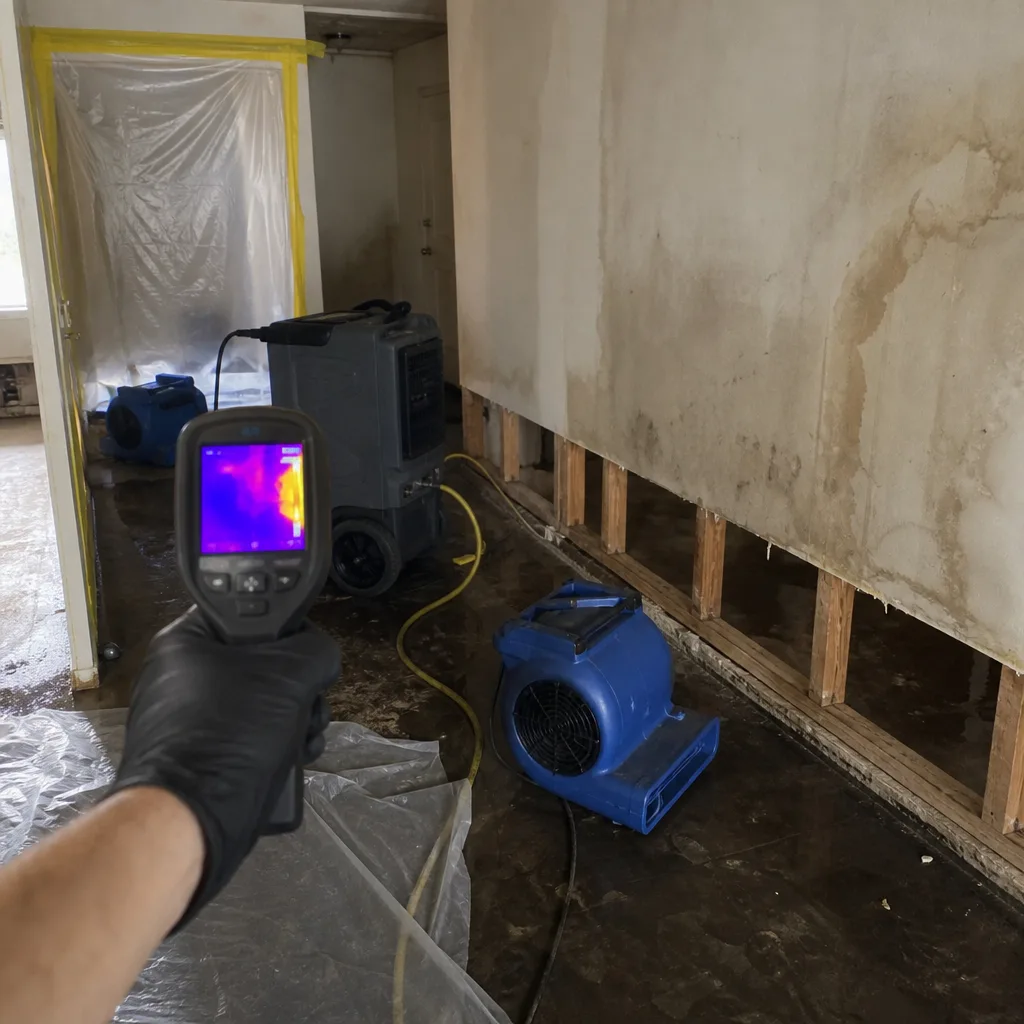 Before
 After
After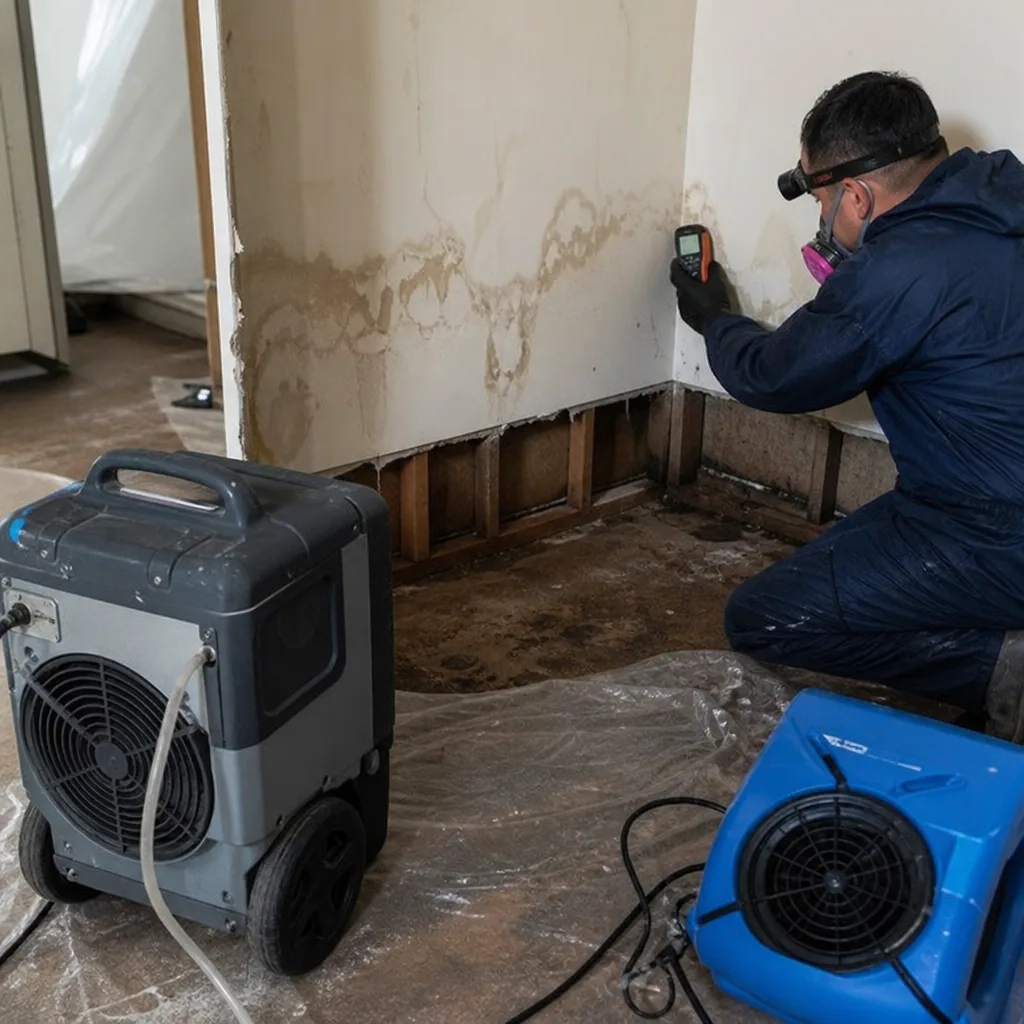 Before
 After
After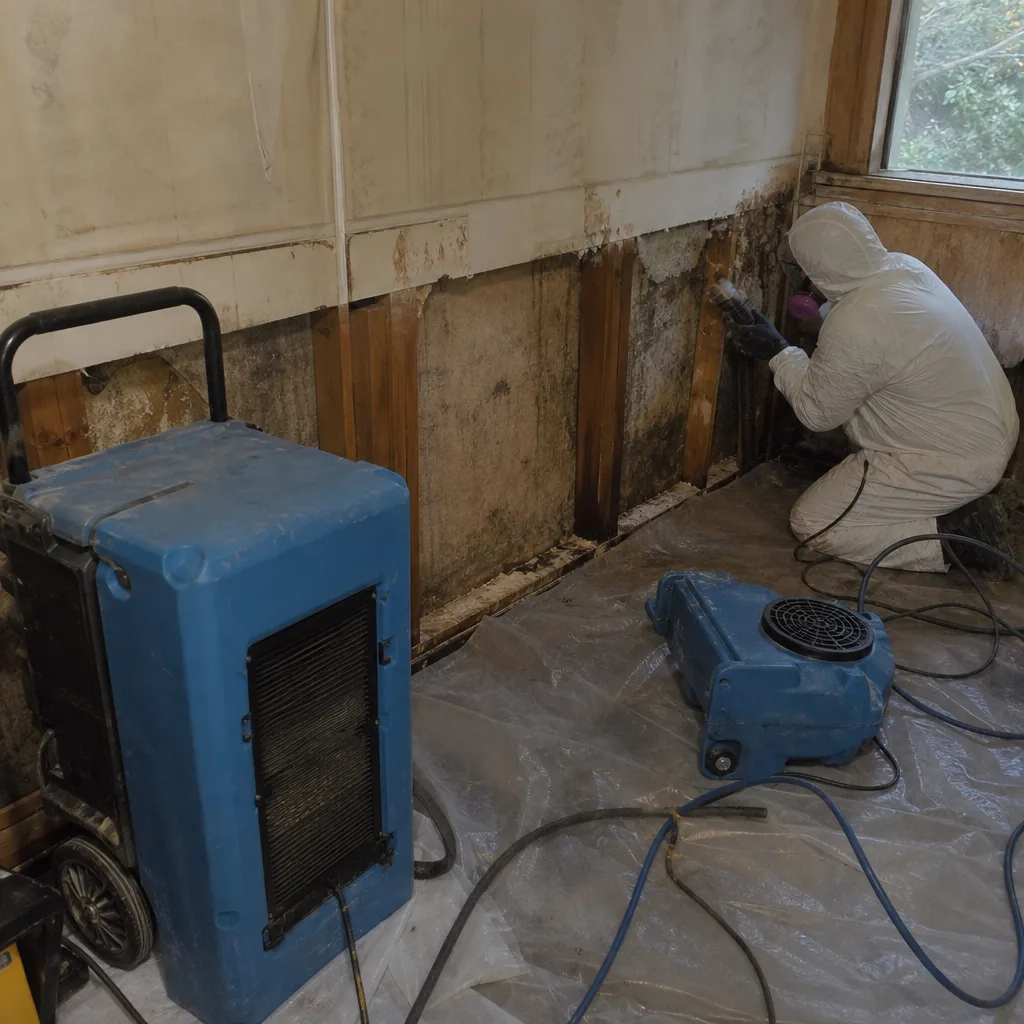 Before
 After
After