
Last updated October 16, 2026
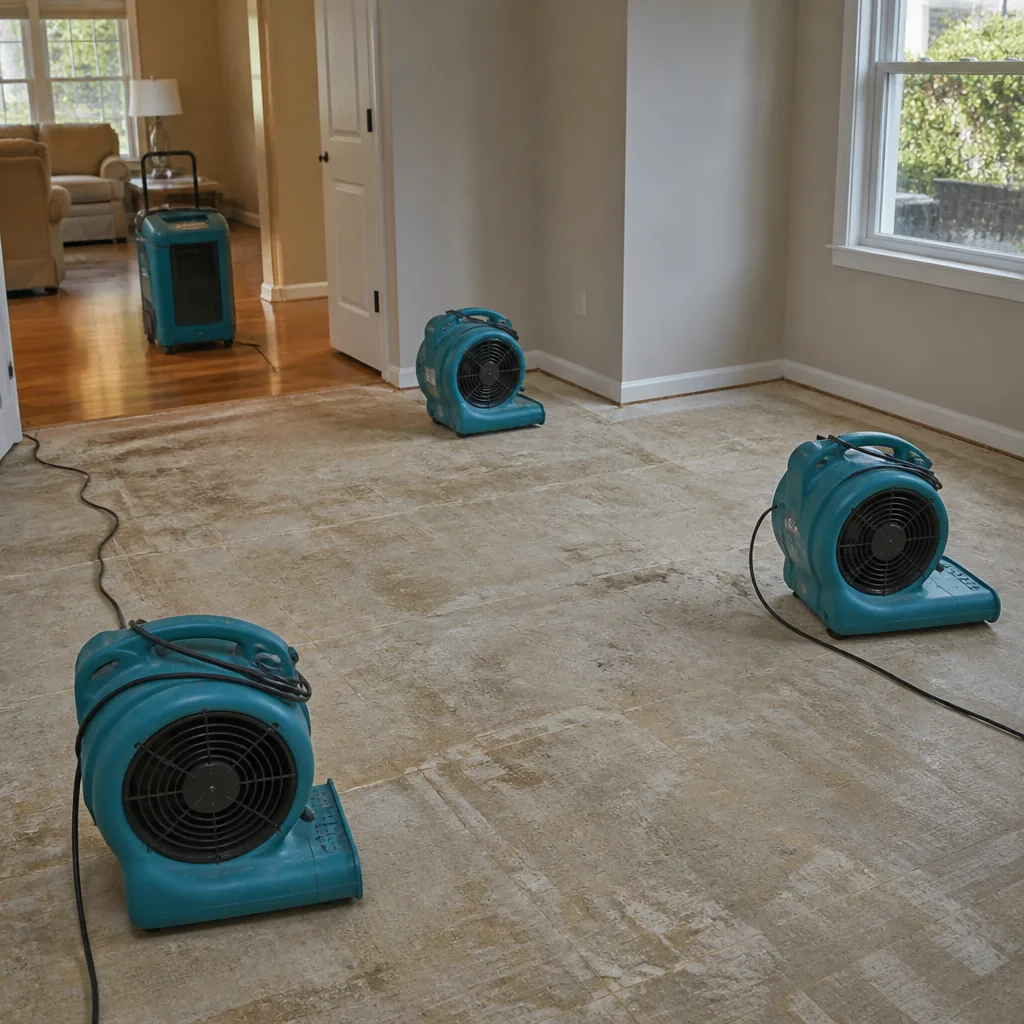 Water damage drying
 Fire & smoke cleanup
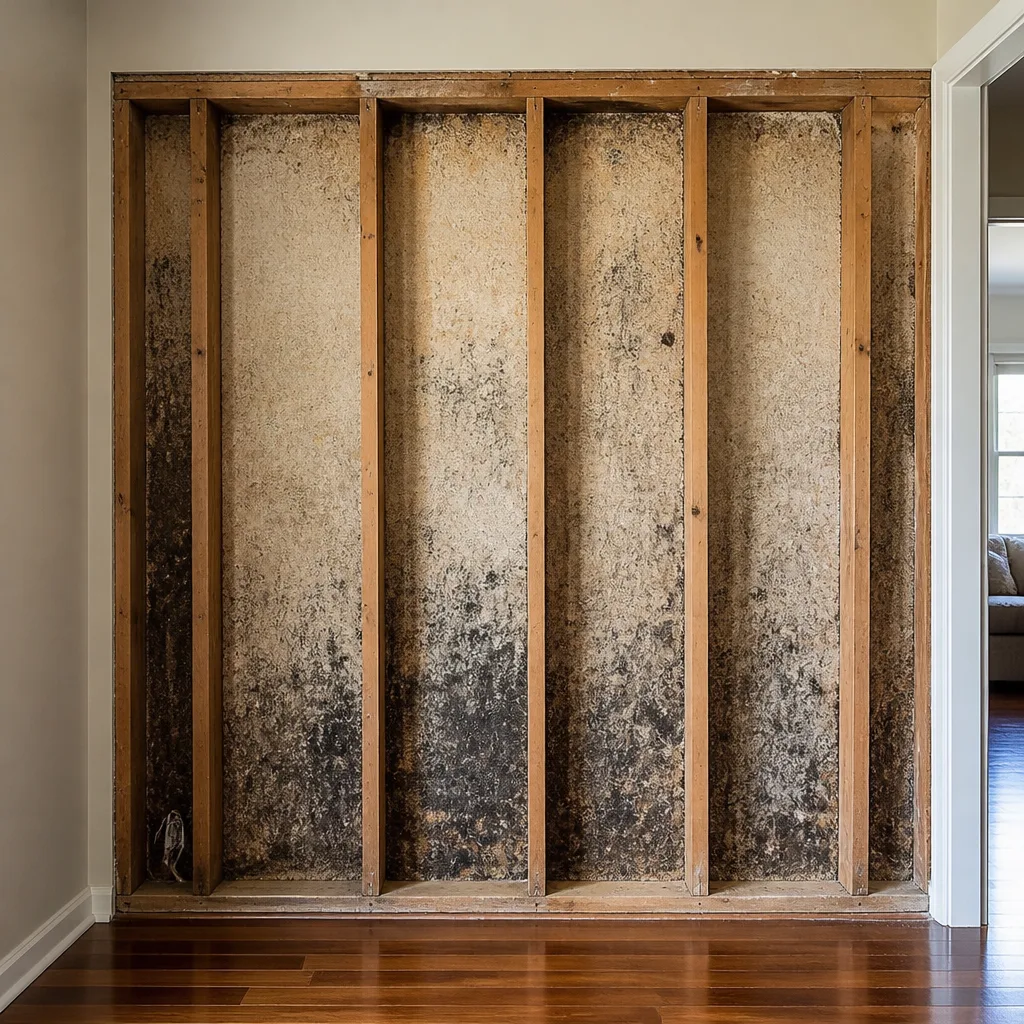 Mold remediation
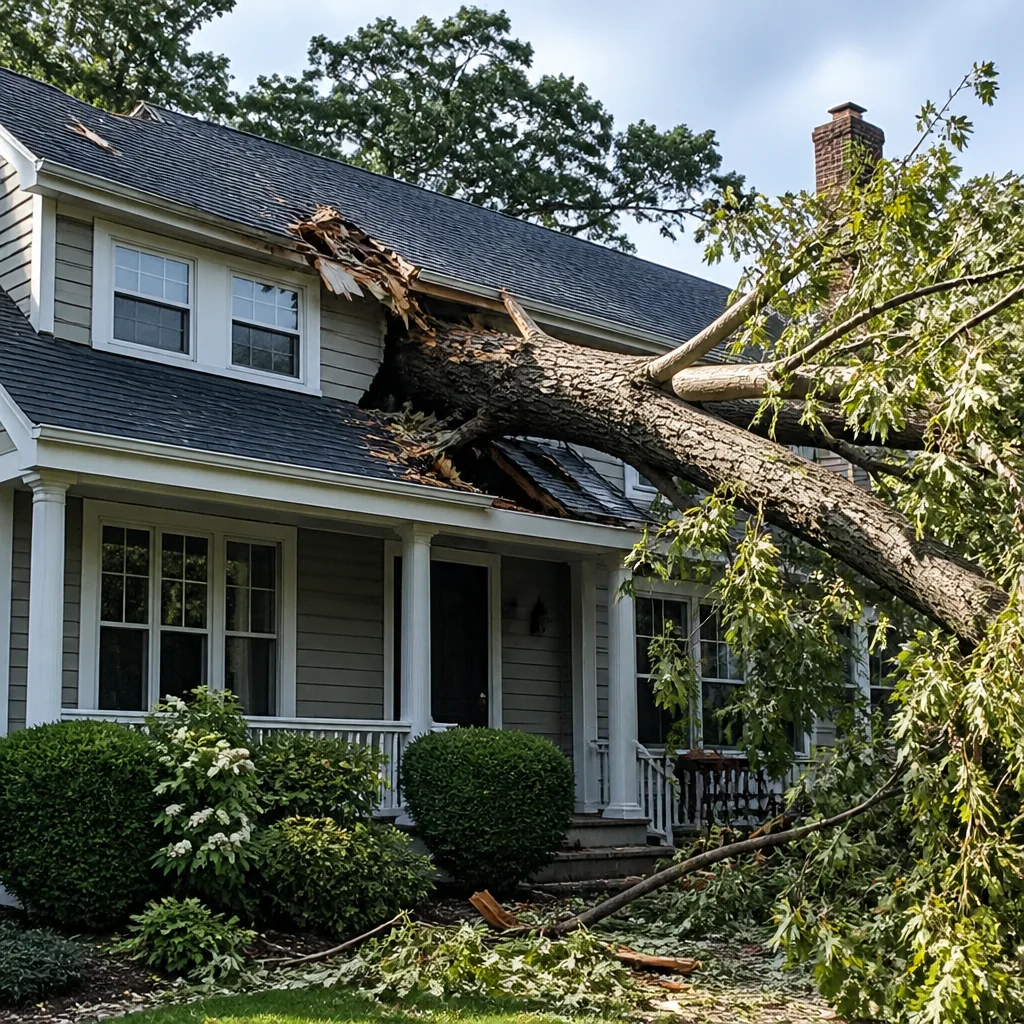 Storm response
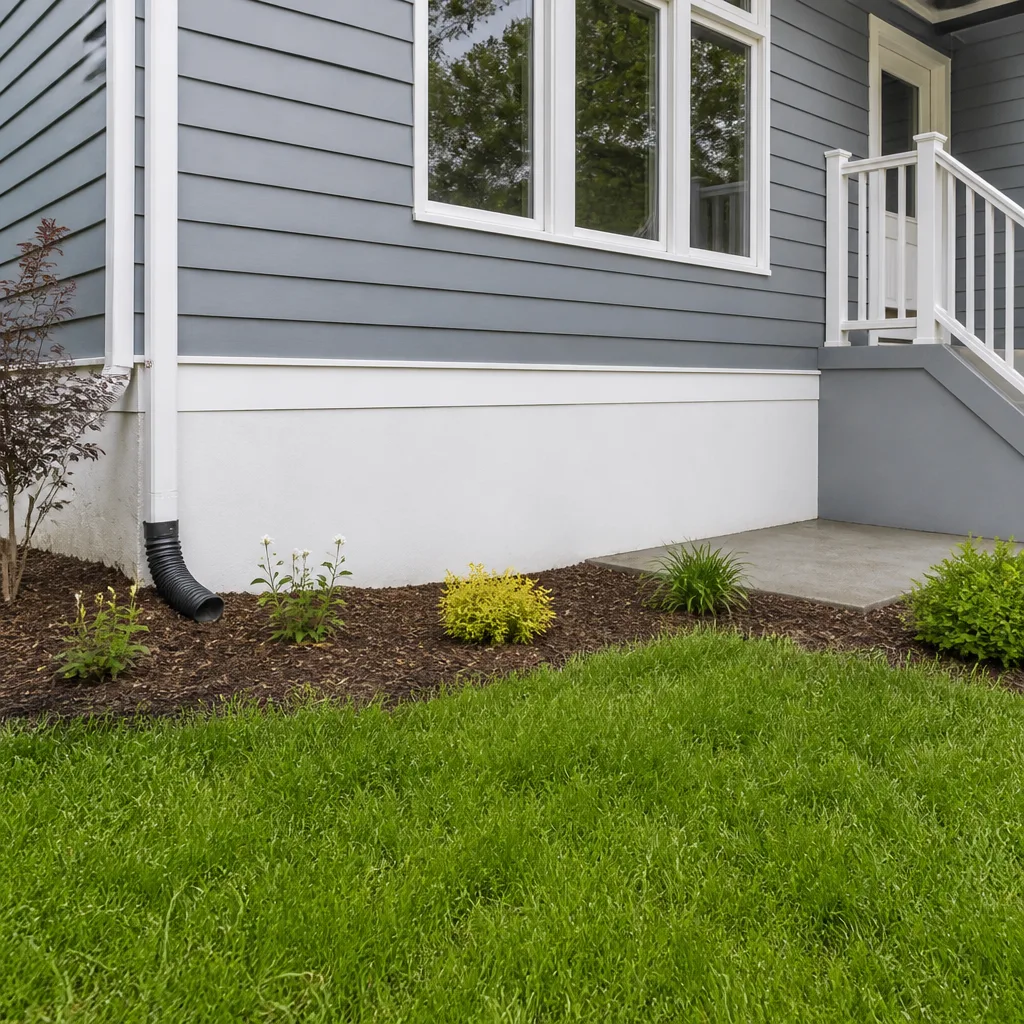 Sewage cleanup
 Reconstruction
Free visual inspection and a written scope of work before any mitigation begins - photos, moisture readings, and drying logs go in your claim file
The scope we write is the scope we bill. Anything new gets shown to you, in writing, before we touch it.
Get your free estimateThe Complete Guide to Damage Restoration in Houston
Houston sits on 10 major bayou watersheds, which means floodwater in your living room may have traveled underground before it ever touched your foundation. That single fact changes where restorers must look, what equipment they run, and how long true drying actually takes. Most national restoration guides treat Houston like any other city. This one does not. For damage restoration warning signs every Houston homeowner should know, read on. By the time you finish reading, you will understand why clay soil, bayou hydrology, and Gulf humidity demand a different playbook, and you will know exactly how to confirm the work was done right, not just done fast.
Quick Answer
Damage restoration in Houston is the process of removing water, drying building materials past the point where mold can grow, and rebuilding what was lost after a flood, storm, pipe burst, or fire. Because of Houston’s expansive clay soil and high humidity, restoration here takes longer and requires more aggressive drying than the national average. The complete process includes assessment, water extraction, drying, antimicrobial treatment, repairs, and verification, and a proper Houston restoration company will dry past the visible tide mark, not just to it.
Restoration work we handle
Table of Contents
- Why Houston’s Geography Changes Everything About Restoration
- The Three Most Common Houston Damage Events and Their Restoration Sequences
- How to Read a Moisture Map and Verify the Tide Mark Was Beaten
- What the Written-Price Requirement Protects You From at Each Phase
- Why IICRC S500 Standards Apply Differently in Houston’s Humidity Band
- The Equipment That Actually Matters in a Houston Restoration
- Insurance, Photo Documentation, and Working With Adjusters
- Safety First: What Homeowners Should and Should Not Touch
Why Houston’s Geography Changes Everything About Restoration
Houston was built on a swamp, drained by bayous, and seated on soil that swells and shrinks with every rain and drought cycle. The clay beneath Harris County homes, known geologically as Beaumont and Lissie formation clays, expands dramatically when wet and contracts when dry. When water gets under your slab, that clay traps it. It does not drain away the way sandy soil would in Dallas or Austin. The moisture lingers for weeks, sometimes months, traveling along the underside of your foundation and wicking up into walls far from the original intrusion point. This is why a Water Damage Restoration in Houston job that looks dry after three days is often not dry at all underneath.
We have walked into homes in Meyerland and Kingwood where the visible water was confined to one room, but moisture readings in a hallway 30 feet away showed elevated levels beneath the tile. That is the bayou effect. Floodwater in Houston does not always come through the front door. It can rise through the ground, pushed by a rising water table along Buffalo Bayou, Brays Bayou, or White Oak Bayou. When that happens, the damage you see is only the surface expression of a much deeper saturation event. A competent Houston restoration team knows to test under the slab, behind baseboards, and inside wall cavities before declaring anything dry.
What This Means for Your Home
- Drying times in Houston run 25 to 40 percent longer than in drier climates because ambient humidity slows evaporation.
- Secondary damage often appears two to three weeks after the initial event, typically as buckling floors or musty odors in rooms the water never touched.
- A restoration that stops at visible wetness leaves behind a reservoir of moisture under the slab that feeds mold for months.
- Houston homes with pier-and-beam foundations drain better than slab homes, but the crawlspace creates its own humidity problem that needs active ventilation management.
The Three Most Common Houston Damage Events and Their Restoration Sequences
Houston homeowners face three recurring damage patterns, and each one demands a different restoration sequence. The order of operations matters because rushing the wrong step can lock moisture behind finished walls.
1. Bayou Overflow Flooding
When Brays Bayou or Sims Bayou overflows, the water that enters your home is not clean. It carries silt, sewage, and whatever it picked up from the street. Restoration begins with full extraction, then sanitization, then drying.
- Containment and extraction: Standing water is removed, and the contaminated zone is sealed off from the rest of the house.
- Cutting and disposal: Drywall and insulation below the waterline are removed. In Houston’s humid climate, anything above the waterline that reads wet on a moisture meter also gets cut.
- Sanitization: Antrimicrobial treatments are applied to all exposed framing and subfloor. With kids and pets in the house, product choice matters. Tidemark Water Damage Houston uses pet-safe agents wherever a choice exists.
- Drying: Professional-grade dehumidifiers and air movers from B-Air and Phoenix run continuously. In Houston humidity, this phase seldom takes less than five days.
- Verification: A moisture map is produced, reviewed, and signed off before any rebuild work begins.
2. Tropical Storm Intrusion
Hurricane Harvey taught Houston something about roof and window intrusion. Storm-driven rain gets driven sideways, finding entry points that normal rain never reaches. The restoration sequence here focuses on documenting the entry point first.
- Entry point identification: Before drying, the source must be found and temporarily sealed. This includes roof damage, window flashing failure, or door seals.
- Targeted extraction: Water is removed from wall cavities, carpet pads, and underlayment.
- Hidden moisture mapping: Infrared cameras and penetrating moisture meters are run across every wall surface in the affected rooms.
- Drying with Injectidry equipment: For water trapped inside wall cavities, Injectidry panels force dry air directly into the cavity without removing all the drywall, preserving more of your home.
- Repair and rebuild: Once verified dry, affected materials are replaced and finished.
3. Slab-Leak Saturation
When a pipe under your slab leaks, water rises through the concrete and saturates flooring from below. The telltale sign is warm spots on tile or wood that warps for no apparent reason. This is the most insidious Houston damage event because the source is invisible.
- Plumbing diagnosis: A licensed plumber locates and repairs the leak before restoration starts.
- Flooring evaluation: Wood, laminate, and carpet pad are assessed. Tile often survives; wood subflooring beneath it may not.
- Under-slab drying: Specialized drying mats pull moisture directly through the slab. This step is unique to slab-leak events and requires equipment most general contractors do not own.
- Mold prevention: The warm, dark space under flooring is a mold incubator. Antimicrobial treatment goes down before new flooring goes in.
- Rebuild: Floors are replaced, and moisture readings beneath the new material confirm the slab is truly dry.
For fire events, the sequence differs entirely: structural assessment, soot removal, odor neutralization, and content cleaning. If you need that process, our Fire Damage Restoration in Houston guide walks through it step by step.
How to Read a Moisture Map and Verify the Tide Mark Was Beaten
A tide mark is the line water leaves on a wall. It is the first thing our technicians look for on every job. The goal of restoration is not to dry to that line. It is to dry past it. A proper moisture map shows you whether that happened.
When a restoration company finishes drying, they should hand you a floor-plan drawing or photo overlay with moisture readings at specific points. Here is how to read it:
- Readings should be in numbers, not adjectives. A wall that is “dry” means nothing. A wall reading 8 on a wood moisture equivalent scale in Houston’s climate is acceptable. One reading 20 is not.
- Look for readings beyond the visible damage. A credible map includes measurements from adjacent rooms, the ceiling, and under the slab where accessible. If the map only covers where the water was visible, the tide mark was not chased.
- Check the date. Readings taken on day one tell you where the water is. Readings taken on day five tell you whether the drying worked. You want a comparison.
- Ask for the “dry standard.” In Houston, where ambient humidity hovers between 60 and 80 percent much of the year, dry standard means bringing building materials back to their pre-loss moisture content, which is different from a desert-dry reading. An IICRC-trained technician knows the Houston-specific dry standard for each material.
We have seen homeowners handed a one-page invoice with “dried to standard” written on it and no data behind it. That is not a moisture map. That is a claim. The difference matters because moisture trapped behind a wall in Houston will not simply evaporate on its own. It will turn into mold, and you will smell it before you see it.
What the Written-Price Requirement Protects You From at Each Phase
The single most common complaint in the restoration industry, nationwide, is that the final bill does not match what the homeowner was told. That is particularly acute in Houston, where storm chasers flood the market after every major rain event and homeowners under stress sign whatever gets put in front of them. A written price before any work starts is the difference between a restoration you can plan for and a bill you cannot.
The Cedarwell Care Promise requires a written price before any work starts, on every job, with no exceptions. That means you know the scope and the number before the first fan gets plugged in. Here is what that protects you from at each phase of a multi-week restoration:
- Emergency mitigation phase: You know what the extraction and initial drying will cost before the crew unloads equipment. No surprise line items for “additional equipment” that appeared overnight.
- Demolition phase: Cutting drywall, pulling carpet, and removing insulation are priced in writing. You approve the cut list before the saw starts.
- Drying phase: The number of days equipment runs and the daily rate are stated upfront. If drying takes longer than expected, you know what that extension costs approach the end of the initial window, not after the fact.
- Rebuild phase: Materials, labor, and finish details are documented. You sign off on the scope before anyone swings a hammer.
That written scope matters most when insurance is involved. If your adjuster disputes a line item, you have a document that shows what was agreed, when, and for how much. It turns a he-said-she-said into a paper trail.
Why IICRC S500 Standards Apply Differently in Houston’s Humidity Band
The IICRC S500 is the industry standard for professional water damage restoration. It defines how drying should be measured, what equipment classes are appropriate, and what constitutes a dry structure. But a standard written for national application requires local adaptation. Houston’s climate does not match the assumptions baked into the S500.
The S500 assumes a starting point of approximately 50 percent relative humidity indoors. In Houston, ambient indoor humidity without air conditioning running can sit at 65 to 75 percent in the summer months. That means a restoration crew here must run dehumidifiers longer and more aggressively to achieve the same drying results as a crew in Phoenix or Denver. If a contractor applies S500 formulas without adjusting for Houston’s humidity band, the structure will be left wetter than the standard intends.
Here is what that adaptation looks like in practice:
- More low-grain refrigerant dehumidifiers per square foot than the S500 baseline would call for in drier regions.
- Longer monitoring periods, with readings taken daily rather than every other day, because moisture moves more slowly out of materials in high-humidity air.
- HVAC integration to keep the home’s air conditioning working with the drying equipment, since Houston homes rely on AC for dehumidification year-round.
- Aggressive cavity drying using systems like Injectidry panels, because wall cavities in Houston do not air-dry on their own before mold initiates.
Ask your restoration contractor how they adjust for Houston humidity. If they talk about “standard drying times” and look at you blankly when you mention Gulf moisture, keep looking. Rick Sumner has made that humidity adaptation a core part of how his teams operate.
The Equipment That Actually Matters in a Houston Restoration
Restoration equipment is not interchangeable. The difference between a professional-grade air mover and a hardware-store fan is the difference between a home that dries and a home that molds. In Houston’s climate, that difference is amplified.
Here is the equipment you should expect to see on a professional Houston restoration job:
- Low-grain refrigerant dehumidifiers: These pull moisture out of the air at a rate that makes the air itself thirsty, so it can extract moisture from structural materials. Dri-Eaz and Phoenix make the units most RIA-credentialed restorers use.
- High-velocity air movers: B-Air and XPOWER make professional units that move air across wet surfaces to accelerate evaporation. They are louder than box fans. That is the point.
- Injectidry injection drying systems: These force dry air inside wall and ceiling cavities without demolition. For Houston homes where weep holes and stucco exteriors make wall cavity drying impossible from the outside, this is often the only non-destructive option.
- Drying mats for slab floors: These pull moisture through concrete slabs, which matters for slab-leak saturation events common in Houston’s foundation-heavy housing stock.
- Moisture meters and infrared cameras: These are diagnostic tools, not drying equipment, but they are the difference between guessing and knowing. A company that cannot show you readings is guessing.
Equipment runs in Houston, where humidity is a constant adversary, need to be monitored daily. That means the restoration company’s technicians come back, take readings, move equipment as drying patterns emerge, and adjust the setup. A company that drops equipment on day one and returns on day five is not doing Houston-grade restoration.
Insurance, Photo Documentation, and Working With Adjusters
Almost every significant damage restoration in Houston involves an insurance claim. The quality of your documentation determines how smoothly that claim goes. This is where the process protects you before the price does.
When our Tidemark Water Damage Houston home team arrives, the first things we document are the tide marks, the water path, and the condition of materials before any demolition happens. That photo record is what your adjuster will use to understand the scope of the loss. Without it, the adjuster sees only what remains after demolition, and what got thrown away becomes a point of dispute.
Here is the documentation sequence that keeps claims moving:
- Arrival photos: The full extent of visible water, the tide mark, and the source if identifiable.
- Pre-demolition documentation: Photos and moisture readings of every affected area, including walls, flooring, and contents.
- Demolition record: Photos of what was removed and the condition of the framing beneath.
- Drying verification: The moisture map, with dated readings showing the progression to dry standard.
- Final clean-up photos: A photo of the clean-up is taken and shared before the crew leaves, so the homeowner sees exactly what was done and how it was left.
We coordinate directly with adjusters. That does not mean we take over your claim. It means we provide the documentation, the scope, and the written price, and let you make the decisions. You stay in control. Your adjuster gets what they need to approve the work.
Safety First: What Homeowners Should and Should Not Touch
Some parts of damage restoration are genuinely dangerous. The temptation after a flood or fire is to start pulling things apart yourself. We understand that impulse. But high-tension situations deserve a pause.
- Electrical systems: If floodwater touched outlets, breakers, or the panel, do not touch them. Have the power shut off at the meter and verified by a licensed electrician before anyone works in the space.
- Gas lines: After a fire or structural event, gas lines may be compromised. If you smell gas, leave the house immediately and call CenterPoint Energy. Do not flip switches or plug anything in.
- Contaminated water: Bayou floodwater and sewage backups carry pathogens. Do not wade into standing water with open cuts, and wash thoroughly after any contact. Kids and pets should stay out entirely.
- Structural instability: Waterlogged drywall ceilings can collapse without warning. Saturated wood flooring can fail. If a ceiling is bulging or a floor feels soft, stay out of that room.
What you can safely do is shut off the water if you can reach the valve, move small belongings to dry ground if it is safe to lift them, and call a professional who will handle the rest with the right equipment and training.
Common Mistakes to Avoid
- Calling a general contractor instead of a water damage specialist. A good builder knows how to rebuild a wall. They do not necessarily know how to dry one to Houston’s dry standard. We have repaired homes where a general contractor closed up walls that still read wet, and the homeowner paid twice: once for the bad fix, once for the real one.
- Turning off the AC to save power while drying. In Houston, your air conditioner is a dehumidifier. Turning it off during restoration slows drying dramatically and raises indoor humidity, putting additional rooms at risk.
- Waiting to file the insurance claim. Delays complicate coverage and give secondary moisture damage time to develop. File the claim the same day you discover the damage.
- Accepting verbal estimates. If the price is not in writing, it does not exist. A verbal number protects no one, and in a high-stress situation, it gets misremembered.
- Pulling up flooring before the insurance adjuster documents the damage. Many policies require an inspection before demolition. Taking apart the evidence can reduce your payout.
- Assuming a dehumidifier from Home Depot is sufficient. Consumer-grade units remove a fraction of the moisture that professional units remove per day. In Houston’s humidity, the gap between the two is the gap between dry and mold.
- Overlooking the tide mark. The visible line on the wall tells you where the water stopped. What it does not tell you is where the moisture migrated. That is what moisture meters are for, and skipping that check is the most common cause of recurring mold in Houston homes.
See the difference
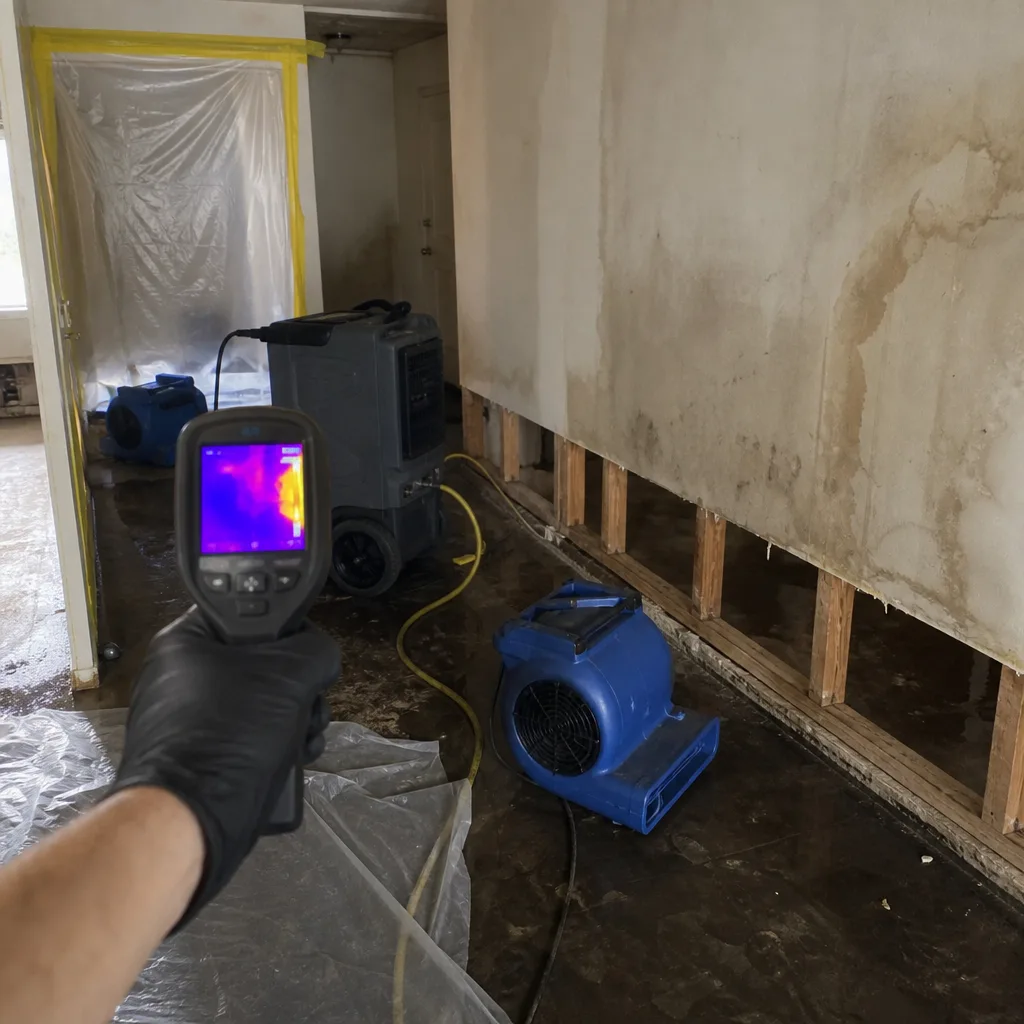 Before
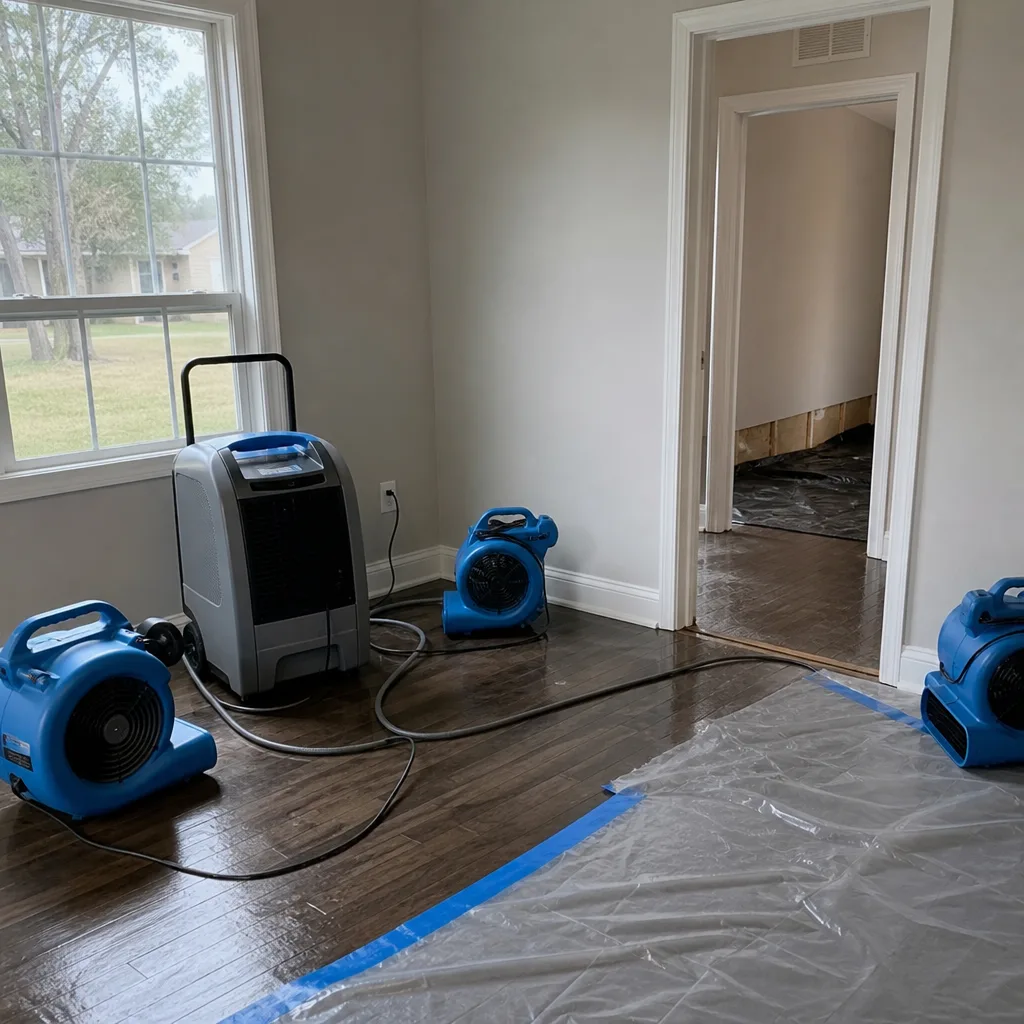 After
After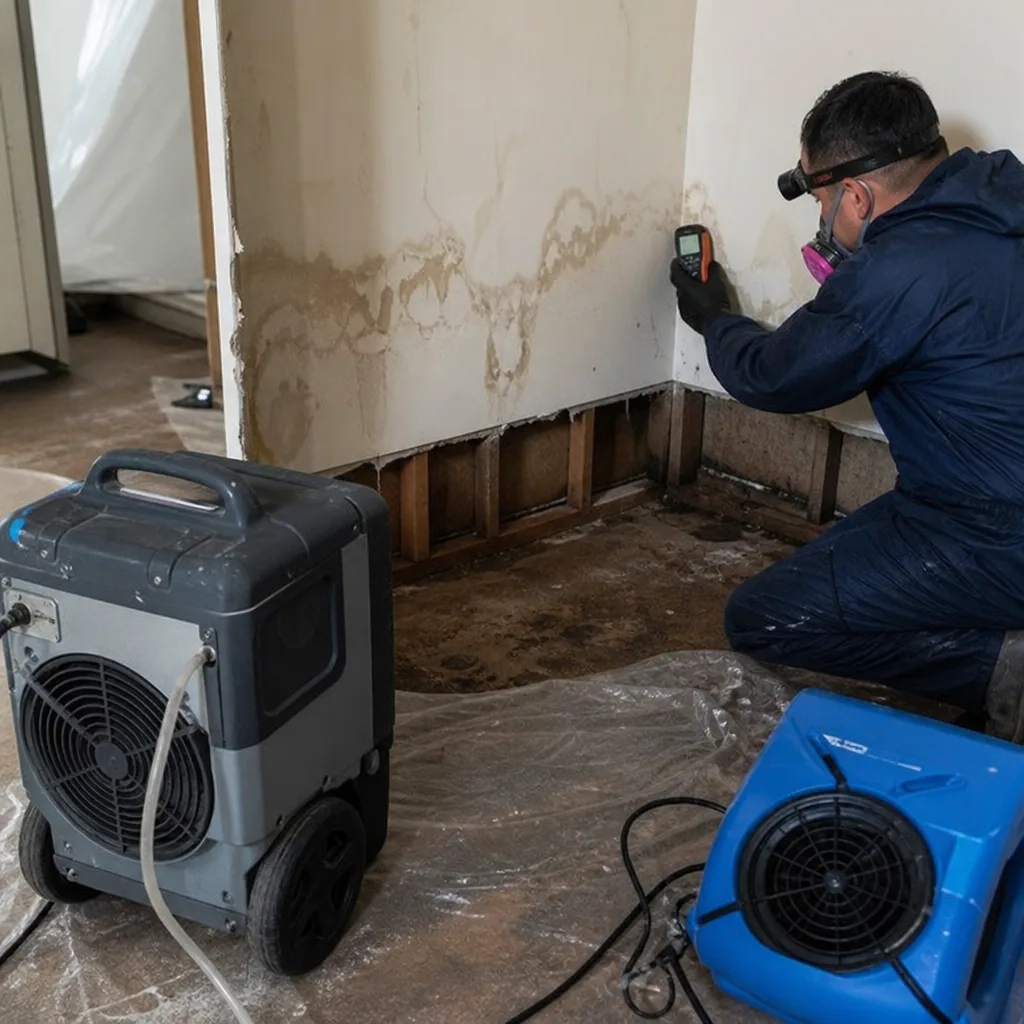 Before
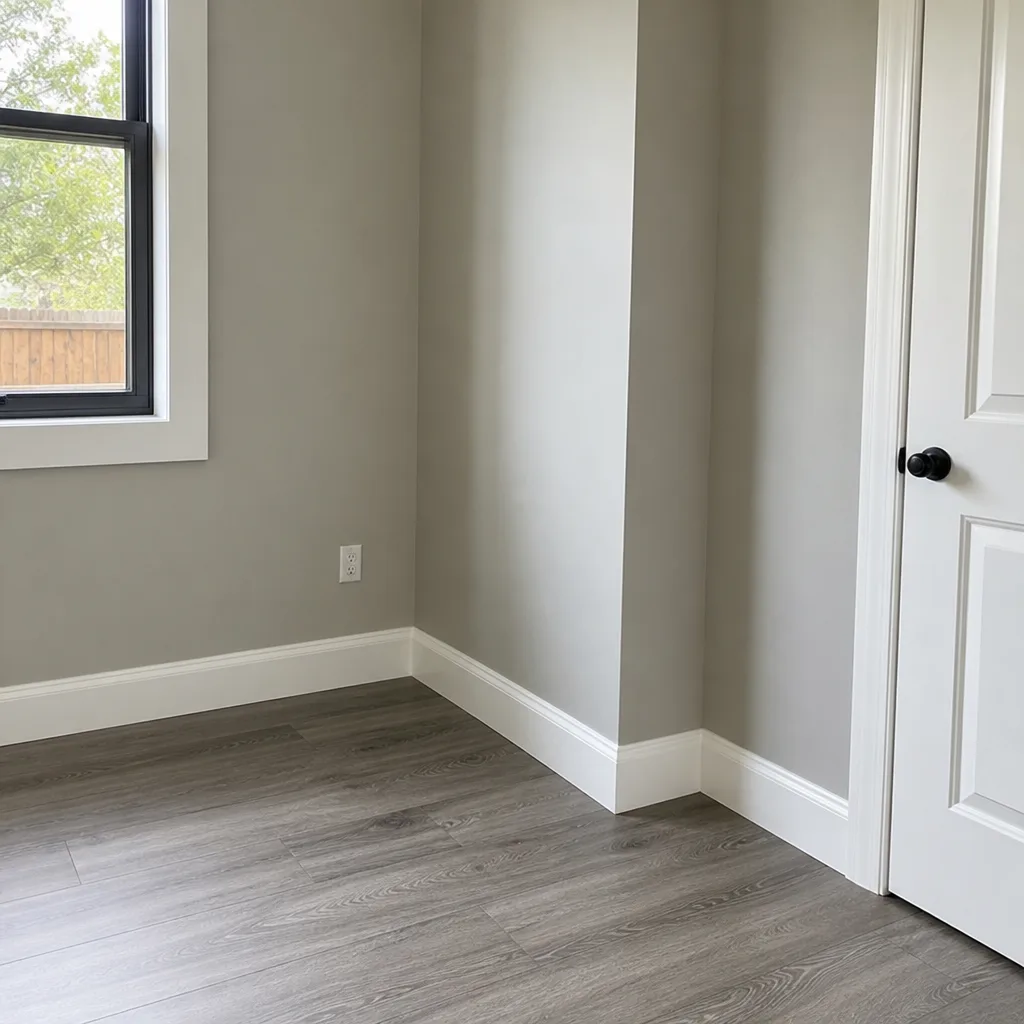 After
After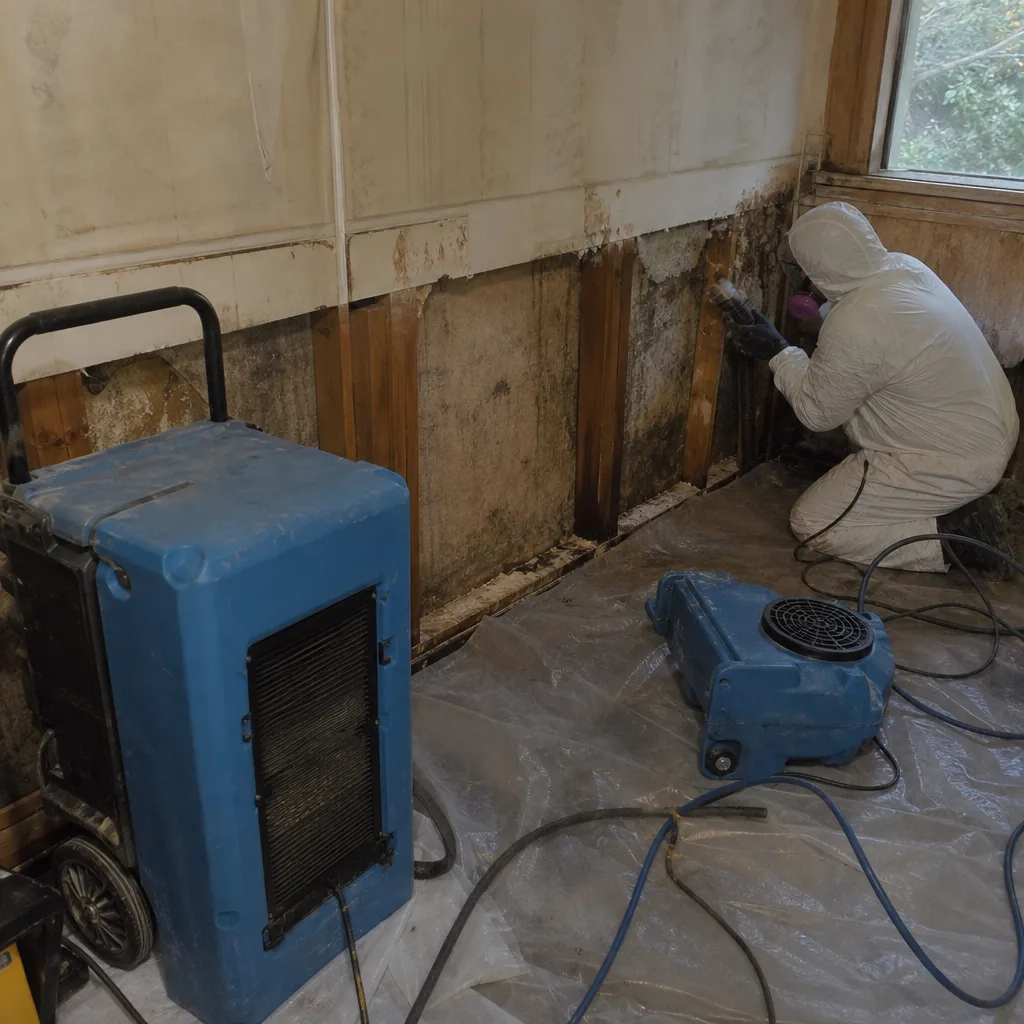 Before
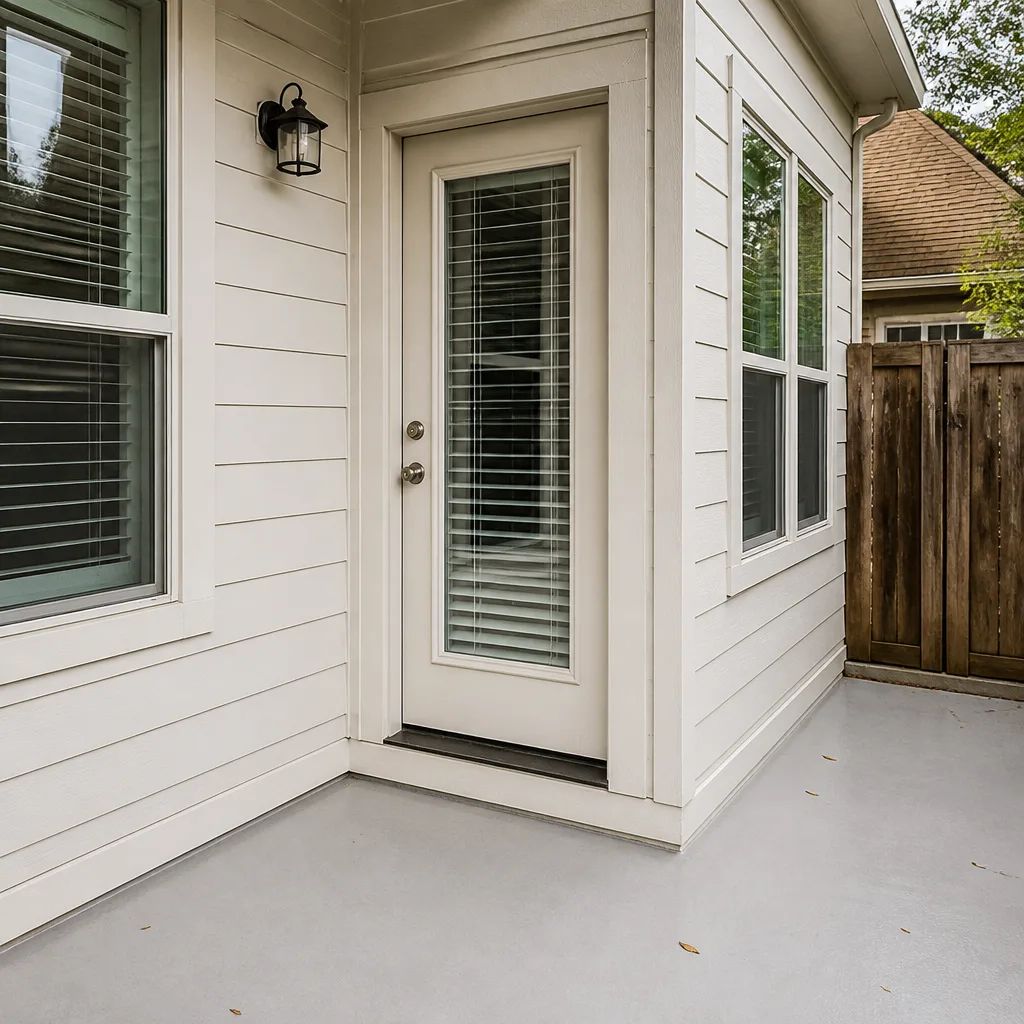 After
AfterWhen to Call a Professional
Call a professional the moment you discover water that extends beyond a small spill, any fire damage at all, or mold visible on more than a few square feet of material. If the water came from outside, from a sewage line, or from a pipe you cannot see, call immediately. If your home has standing water in multiple rooms, do not wait. Houston’s climate will not give you time to deliberate. Mold Remediation in Houston is a specialized process best handled by credentialed technicians who understand local conditions. Tidemark Water Damage Houston offers free estimates in Houston, and you will have a written price before any work starts. Call (325) 423-6800.
Frequently Asked Questions
In Houston, water damage restoration typically takes 5 to 10 days for drying, with rebuild work adding 2 to 6 weeks depending on the extent of demolition. The drying phase runs longer in Houston than in drier cities because ambient humidity slows evaporation, requiring equipment to run for more days to reach the same dry standard. Call (325) 423-6800 for a timeline specific to your home.
Most Houston homeowners policies cover sudden water damage from burst pipes, storm intrusion, and fire, but bayou flooding typically requires separate flood insurance through the National Flood Insurance Program. Your restoration company should provide photo documentation and adjuster coordination to support your claim. The written price you receive before work starts also gives your adjuster a clear scope to review.
Tidemark Water Damage Houston answers calls with a live person 24 hours a day, 7 days a week, and dispatches teams in Houston the same day in most cases. Water damage does not wait for business hours, and neither do we. The sooner extraction starts, the less material ends up in a cut pile.
If the water spread beyond a contained spill, fans alone will not dry the structure in Houston’s humidity. Moisture trapped in wall cavities, under flooring, and beneath the slab requires professional equipment and monitoring to reach dry standard. Partial drying in this climate reliably leads to mold, often within two to three weeks. A professional moisture assessment tells you what is actually necessary before any work begins.
Ask for a moisture map with dated readings showing the progression from wet to dry standard in every affected area, including spaces beyond the visible damage. A professional Houston restoration company provides this as standard practice. If the company cannot show you numbers, the work is unverified.
Houston’s clay soil, bayou watersheds, and high humidity mean water moves differently and dries more slowly here than in most of the country. Restoration companies that apply national-standard drying formulas without adjusting for Houston conditions leave structures wetter than they claim. Local experience, Houston-specific dry standards, and equipment sized for Gulf humidity are not optional.
The Bottom Line
Damage restoration in Houston is a race against humidity, clay soil, and time. The water you can see is usually a fraction of the water that needs to be removed, and drying past the tide mark is the only standard that prevents mold weeks after the crew leaves. A written price before work starts protects your budget. Photo documentation protects your insurance claim. Equipment sized for Houston’s humidity protects your home’s future. And a 365-Day Done Right Promise means the company that did the work stands behind it. If you are facing water, fire, or mold damage in Houston, call (325) 423-6800 and get a written plan before anything gets touched. Explore more guides & resources to prepare before the next storm.
Written by Rick Sumner, Owner at Tidemark Water Damage Houston, serving Houston since 2006.