
Last updated October 16, 2026
 Water damage drying
 Fire & smoke cleanup
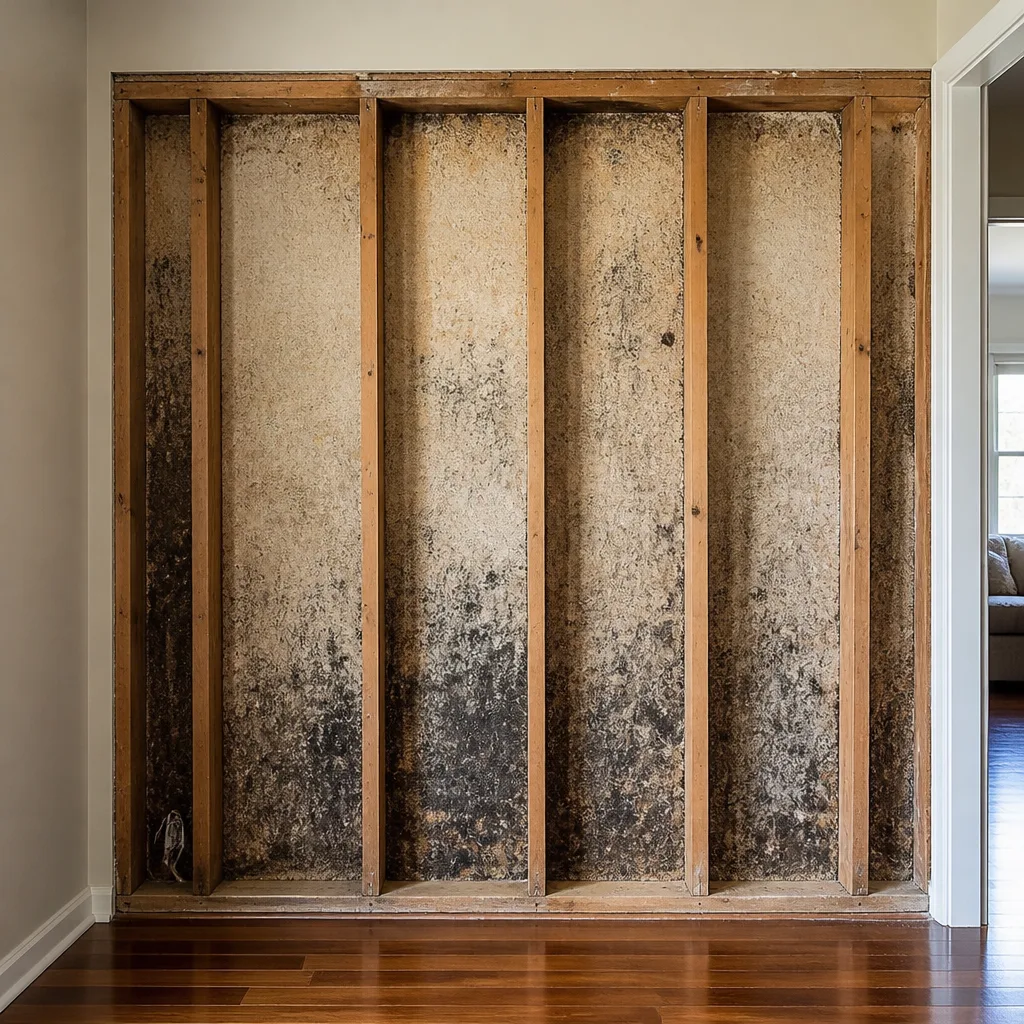 Mold remediation
 Storm response
 Sewage cleanup
 Reconstruction
Free visual inspection and a written scope of work before any mitigation begins - photos, moisture readings, and drying logs go in your claim file
The scope we write is the scope we bill. Anything new gets shown to you, in writing, before we touch it.
Get your free estimateDamage Restoration Permits, Codes & Inspections in TX: What You Need to Know
Here is a number most Houston homeowners never hear until it costs them money: according to Texas Department of Licensing and Regulation data, a meaningful share of residential restoration work in Harris County happens without a required permit. The reason is not shady contractors. It is that Texas code draws a line most people never see, between cleaning and drying on one side, and structural replacement on the other. This guide explains exactly where that line falls, who is responsible for pulling permits, and how a missing piece of paper in 2026 becomes a renegotiated sale price in 2028. For more guides & resources on Houston home restoration, see our blog.
Restoration work we handle
Quick Answer
In Texas and Houston specifically, drying, cleaning, and cosmetic repair after water or fire damage generally do not require permits. The permit requirement triggers when restoration crosses into structural work: replacing subfloor, cutting into load-bearing framing, rewiring, or moving plumbing. If your contractor touches structure, the City of Houston requires a permit, and that permit must be pulled before the work begins, not after.
Table of Contents
- Where the Line Falls: Maintenance vs. Structural Repair
- City of Houston Permit Process for Restoration Work
- Harris County Floodplain Rules and Interior Restoration
- Certificate of Completion vs. Final Inspection Sign-Off
- Texas Property Code Section 27: Your Right to Demand Repair
- How to Verify Your Contractor’s Permits Online
- Insurance, Permits, and What Your Adjuster Needs
- Common Mistakes to Avoid
- When to Call a Professional
- Frequently Asked Questions
- The Bottom Line
Where the Line Falls: Maintenance vs. Structural Repair
Texas building codes do not treat all restoration work the same way. The state distinguishes between maintenance and structural alteration, and Houston enforces that distinction through its own permitting office. Understanding the line matters because it determines whether your contractor is legally required to pull a permit, and whether you are legally responsible if they do not.
Maintenance work means restoring a building to its pre-damage condition without changing its structure. Drying wet drywall, replacing carpet, repainting, swapping out baseboards, and treating mold on non-structural surfaces all fall under maintenance. Houston does not require a permit for any of this. The logic is straightforward: the building’s load path, electrical system, and plumbing layout are unchanged.
Structural work means anything that alters, replaces, or penetrates the building’s load-bearing elements. Replacing a rotted subfloor that sits on joists, cutting into a wall to access plumbing, replacing wiring after an electrical fire, or installing new framing after a flood all cross the line. Houston requires a permit for structural work because a mistake here does not just affect one room. It affects the entire house.
Here is the distinction in practical terms for common restoration scenarios:
- Replacing wet drywall on a non-load-bearing wall: No permit required. This is a finish surface.
- Replacing a section of rotted subfloor: Permit required. The subfloor is part of the floor diaphragm and contributes to structural stability.
- Drying and cleaning a water-damaged bathroom vanity: No permit required.
- Moving or replacing the supply lines behind that vanity: Permit required. Plumbing alterations are regulated work.
- Repainting a fire-damaged room after cleaning: No permit required.
- Replacing fire-damaged ceiling joists: Permit required. The joists carry roof load.
In Houston, the specific trigger is the International Residential Code as adopted by the city. Section R105.1 requires a permit for any work that is not explicitly exempted. Exemptions cover cosmetic finishes, painting, flooring, and similar surface work. Anything beyond that list requires a permit.
We have walked into Houston homes where a previous restoration company replaced a bathroom subfloor without a permit, finished the job beautifully, and the homeowner had no idea until a buyer’s inspector flagged the missing paperwork. These are the kinds of Damage Restoration Warning Signs: A Houston Homeowner’s Reference Guide we encourage everyone to watch for. The repair itself was fine. The missing permit was not. That is the hidden cost.
City of Houston Permit Process for Restoration Work
The City of Houston’s permitting system is managed through the Houston Permitting Center, and for anyone doing restoration work that crosses the structural line, the process follows a clear sequence. Understanding that sequence helps you know what to expect and what to demand from your contractor.
Here is the step-by-step flow for a typical structural restoration permit in Houston:
- Scope is defined in writing. Before any permit can be pulled, the contractor must know exactly what structural elements need replacement. This means the written scope of work, which is also what your insurance adjuster will review.
- Permit application submitted. The contractor or a licensed subcontractor submits the application through the Houston Permitting Center’s online portal. The application includes a description of the work, the address, and the estimated cost.
- Plan review where required. If the structural work is significant, the city may require plan review. A simple subfloor replacement typically does not. Rebuilding a load-bearing wall after a fire almost certainly will.
- Permit issued. Once approved, the permit is issued and must be posted at the job site. Houston requires the permit to be visible.
- Inspections scheduled. For structural work, Houston requires inspections at specific stages. A subfloor replacement gets a framing inspection before the finished floor goes back on. Electrical work gets a rough-in inspection before the drywall closes up.
- Final inspection and sign-off. When all work is complete, the city performs a final inspection and records the sign-off in its system.
The timeline in Houston varies. Simple structural permits can clear in a week. Anything requiring plan review can take three to six weeks. This is why speed on the mitigation side matters: getting the house dried and stabilized quickly gives the permit process time to run without delaying the rebuild.
One nuance Houston homeowners often miss: the permit belongs to the property, not the contractor. If a contractor pulls a permit and walks off the job, the permit remains open on your property. An open permit can block future work and show up during a title search. Always confirm the permit was closed with a final inspection, not just pulled.
Harris County Floodplain Rules and Interior Restoration
Houston sits in a floodplain, and that fact shapes restoration work in ways that surprise homeowners. The Harris County Flood Control District regulates development and substantial improvement in the 100-year and 500-year floodplains. Interior restoration work can trigger those regulations, even when the work is inside an existing home.
The key threshold is substantial improvement. Under FEMA and Harris County rules, if the cost of restoration work equals or exceeds 50 percent of the structure’s pre-damage market value, the project is classified as a substantial improvement. The property must then be brought into compliance with current floodplain regulations, which can mean elevating the structure. For most Houston homeowners, interior water damage restoration does not approach that threshold. But for a severe flood that destroys most of a home, it can.
For the more common scenario, interior restoration on a property in a floodplain faces a different set of rules. Floodplain regulations require that any new materials installed below the Base Flood Elevation be flood-resistant. That means replacing drywall with paperless drywall, using closed-cell insulation instead of fiberglass, and choosing flooring that can withstand water exposure. These requirements apply whether or not a permit is required for the rest of the work.
Houston’s location matters here in another way. The city’s clay soil expands and contracts with moisture, and homes in neighborhoods like Meyerland, Bellaire, and Kingwood have experienced repeated flood events in the last decade. Repeated flooding changes the structural load on foundations and framing. A restoration that simply dries and rebuilds without checking for foundation movement can miss exactly the damage that matters.
Harris County also maintains drainage requirements that affect restoration work that touches the exterior. If a fire or flood damages a home’s exterior drainage features, such as swales or grading, restoration must not alter the original drainage patterns. Changing the way water flows across a property can shift flooding onto neighboring properties, which is a liability Harris County takes seriously.
The practical takeaway: if your Houston home is in a floodplain, ask your restoration contractor whether the work triggers floodplain requirements. A qualified contractor will know how to check the flood map and will build back with flood-resistant materials where the rules apply. This is not a corner to cut.
Certificate of Completion vs. Final Inspection Sign-Off
These two documents sound similar and are often confused. They serve different purposes, and your insurance carrier cares about one of them more than the other.
A Certificate of Completion is issued by the restoration contractor. It states that the work described in the scope of work has been completed. It is a business document, not a regulatory one. It protects the contractor by showing the customer agreed the job is done. It protects the customer by giving a written record of what the contractor claims to have finished.
A Final Inspection Sign-Off is issued by the City of Houston. It means a city inspector visited the property, examined the permitted work, and determined it meets current code. It is a regulatory document that becomes part of the property’s permanent record with the city.
The distinction matters because of who needs which document:
- Your insurance carrier typically requires the Certificate of Completion to close out a claim. The carrier paid for the work and needs proof it was done. The city’s sign-off is not the carrier’s concern unless the claim involved code compliance upgrades.
- A future buyer’s inspector will look for the final inspection sign-off on any structural work. A Certificate of Completion from a restoration company does not satisfy an inspector checking permits.
- Your mortgage lender may require a final inspection sign-off if the restoration was part of a loan or refinance condition.
Here is the Houston-specific scenario we hear about repeatedly. A homeowner files a water damage claim. The restoration company dries the house, replaces the damaged subfloor, and hands over a Certificate of Completion. The homeowner sends it to the insurance carrier, the claim closes, everyone moves on. Two years later, the homeowner sells the house. The buyer’s inspector checks city records and finds no permit for the subfloor replacement. The deal stalls. The missing document is now the seller’s problem, and the restoration company that did the work is unreachable.
The lesson: a Certificate of Completion is not enough. If structural work was done, demand a final inspection sign-off from the City of Houston before you consider the job finished.
Texas Property Code Section 27: Your Right to Demand Repair
Texas Property Code Section 27 is the residential construction liability act, and it exists for one primary reason: to give homeowners a legal lever when a contractor does substandard work.
The statute works this way. If you believe a restoration contractor performed defective work, you must give the contractor written notice describing the defect. The contractor then has a window, typically 35 days, to offer to repair the defect, settle, or dispute the claim. If the contractor fails to respond or refuses to fix the issue, you can file a lawsuit.
The critical detail for Houston homeowners is that this statute applies to restoration work just as it applies to new construction. A faulty subfloor replacement, improper mold remediation that leaves contamination behind, or poorly executed fire damage repair all fall under Section 27. The contractor does not get to claim the work is too small or too specific to matter.
Here is how to protect yourself under Section 27 before problems arise:
- Get every scope in writing. Section 27 disputes turn on what work was agreed to. A written scope, signed by you and the contractor, removes ambiguity.
- Document the condition of the home before work begins. Photos, video, notes. If the contractor damages something that was not part of the scope, documentation is your evidence.
- Send written notice of any defect immediately. Do not wait. The statutory window does not pause while you “let the contractor make it right.” Written notice starts the clock.
- Keep all receipts and permits. The paper trail is what a court looks at first.
Rick Sumner, owner at Tidemark Water Damage Houston, puts it plainly: “The written price before work starts is not just about pricing. It is the first page of your evidence file if something goes wrong.”
One more Section 27 detail that matters in Houston: the statute includes a right to inspect your property. If a contractor refuses to let you see the work in progress, that is a red flag. A legitimate restoration company should have no problem with the homeowner asking questions and taking photos.
How to Verify Your Contractor’s Permits Online
Houston makes this easier than most cities, and yet almost no homeowner does it. The Houston Permitting Center maintains an online portal where anyone can search permits by address. Here is how to use it.
- Go to the Houston Permitting Center’s permit search page. You do not need an account to search.
- Enter your address. The system will show all permits associated with your property, past and present.
- Look for any open permits. An open permit means work was started but never signed off. That is a problem that will surface later.
- Check the contractor name. If a permit was pulled, it should match the restoration company you hired, not an unknown subcontractor.
- Check the scope description. The permit should describe the structural work being done. If the permit says “general repair” but your contractor is replacing a load-bearing wall, the scope is wrong.
Do this before work begins, not after. If your contractor says a permit is not needed for the work, confirm that with the city. If the contractor says they pulled a permit, confirm that with the city. Five minutes on the portal can save you a resale nightmare.
For Houston homeowners in the middle of a restoration, here is what to look for when the contractor says a permit is being pulled:
- A permit number, not just a promise. Permit numbers can be verified online.
- A posted permit at the job site. Houston requires it.
- A scheduled inspection. Permitted work does not get signed off without one.
- A final sign-off recorded by the city, not just a paper certificate from the contractor.
Insurance, Permits, and What Your Adjuster Needs
Insurance carriers operate in a different world than the city permitting office. Your adjuster wants to close the claim. The city wants code compliance. These two goals sometimes collide, and the homeowner sits in the middle.
Here is the typical Houston scenario. A pipe bursts in a bathroom. Your insurance carrier sends an adjuster. The adjuster writes a scope that includes drying, drywall replacement, and floor repair. The restoration company does the mitigation work, then the rebuild. During the rebuild, it becomes clear the subfloor is rotted and needs replacement. That is structural. It needs a permit. But the insurance scope did not include a permit line item.
What happens next depends on your contractor. A contractor who knows Houston rules will flag the issue, contact the adjuster, and add the permit cost and inspection requirements to the scope. A contractor who does not know the rules will replace the subfloor, close the job, and hand you a Certificate of Completion. The claim closes. The missing permit becomes your problem later.
Insurance carriers do not require permits for every claim. They generally only require a permit when the work requires one by law. But carriers do require documentation that the work was done to code. A final inspection sign-off is the cleanest proof of that.
Photographic documentation matters more than homeowners realize. After a water damage claim, your carrier will want to see the condition of the property before work, during work, and after completion. A restoration company that takes photos at each stage, and shares them with you before the crew leaves, gives you a record that protects both you and the carrier. At Tidemark, that photo is a standard part of every job, taken after the clean-up is done and given to the homeowner before the crew pulls away.
Direct adjuster coordination is the other piece. When we work on water damage restoration in Houston, our technicians communicate directly with the adjuster about scope changes, permit requirements, and material substitutions. The homeowner should not be the messenger between the restoration company and the insurance carrier. That is a recipe for missed details and delayed claims.
Common Mistakes to Avoid
- Assuming a Certificate of Completion is a permit. It is not. A certificate is a business document. A permit is a regulatory document. Only the city can issue a final inspection sign-off, and that is what protects you at resale.
- Paying in full before the final inspection. On structural work, hold back a portion of payment until the city signs off. This is standard practice in Houston and gives you leverage if the contractor tries to close the job early.
- Not checking the floodplain map. Houston homes in the 100-year floodplain have additional material requirements for any interior rebuild. Ignoring those requirements means paying for the same work twice.
- Letting the contractor handle everything without your involvement. You do not need to be on-site every day, but you should verify permits online, inspect the work at key stages, and keep your own photo record.
- Failing to read the written scope. The scope defines what work is included and what is excluded. A vague scope is where disputes start. A specific scope, agreed to in writing before work starts, is where disputes end.
- Treating water damage as a cosmetic issue. Drying the visible surface is not the same as drying the structure. Hidden moisture behind walls and under floors continues to do damage long after the surface looks fine. A tide mark is the line water leaves on a wall. It is the first thing our technicians look for on every job, and it tells us where the water actually traveled.
When to Call a Professional
A permit issue is almost always a sign that the structural work needs professional oversight. If your contractor cannot answer basic questions about Houston permitting, floodplain rules, or Section 27 compliance, that is not a reason to cancel the project. Instead, consult our How to Hire a Damage Restoration Contractor in Houston: A Step-by-Step Guide to vet your options properly. It is a reason to get a second opinion.
Call a restoration professional when the work involves structural replacement, when the property sits in a floodplain, when an insurance claim is in progress and documentation matters, or when you are buying or selling a home that had previous restoration work. Any of these scenarios benefits from someone who knows the Houston market and the regulatory landscape. Tidemark Water Damage Houston offers free estimates in Houston – call (325) 423-6800 and we will walk you through exactly what applies to your property.
Frequently Asked Questions
You need a permit only if the restoration crosses into structural work: subfloor replacement, load-bearing framing, plumbing relocation, or electrical rewiring. Drying, cleaning, and cosmetic repair do not require a permit in Houston.
In Texas, the contractor performing the work is responsible for pulling the permit. That said, the permit stays with the property, so a homeowner who allows unpermitted structural work is left with an open violation on their permanent record if the contractor skips it.
Search your address on the Houston Permitting Center’s online portal. The system shows all permits associated with your property, including open permits and final sign-offs. Do this before work begins and again when the job is done.
The 50 percent rule applies when restoration costs equal or exceed half of a structure’s pre-damage market value. The property must then be brought into compliance with current floodplain elevation standards. Most interior restoration work does not reach this threshold, but severe flood damage can.
Yes, when the permit is required by law and the work is covered by the policy. Your restoration contractor should flag the permit requirement to the adjuster and add the cost to the scope. If the adjuster pushes back, a qualified restoration company will document the code requirement and advocate on your behalf.
You are not out of options. Contact the Houston Permitting Center about filing for a permit after the fact. A city inspector may need to examine the work, which could mean opening up walls or floors. It is inconvenient and can cost money, but it clears your property record. Under Texas Property Code Section 27, you may also have a claim against the contractor for the defective work or the missing permit.
The Bottom Line
Permits are not bureaucratic overhead. They are the documentation that proves your house was built back to code, and that documentation matters at resale, during insurance renewals, and whenever a city inspector reviews your property record. Houston homeowners who understand the line between maintenance and structural work, who verify permits online, and who hold back final payment until the city signs off are the ones who avoid the nightmare of an unpermitted repair surfacing years later. Rick Sumner and the team at Tidemark Water Damage Houston handle permits, inspections, and insurance coordination as standard practice. Call (325) 423-6800 for a free estimate and a written scope before any work begins.
For more guidance on specific restoration topics, visit our Tidemark Water Damage Houston home page, our Water Damage Restoration in Houston guide, our Mold Remediation in Houston resource, or our Fire Damage Restoration in Houston page.
Written by Rick Sumner, Owner at Tidemark Water Damage Houston, serving Houston since 2006.
See the difference
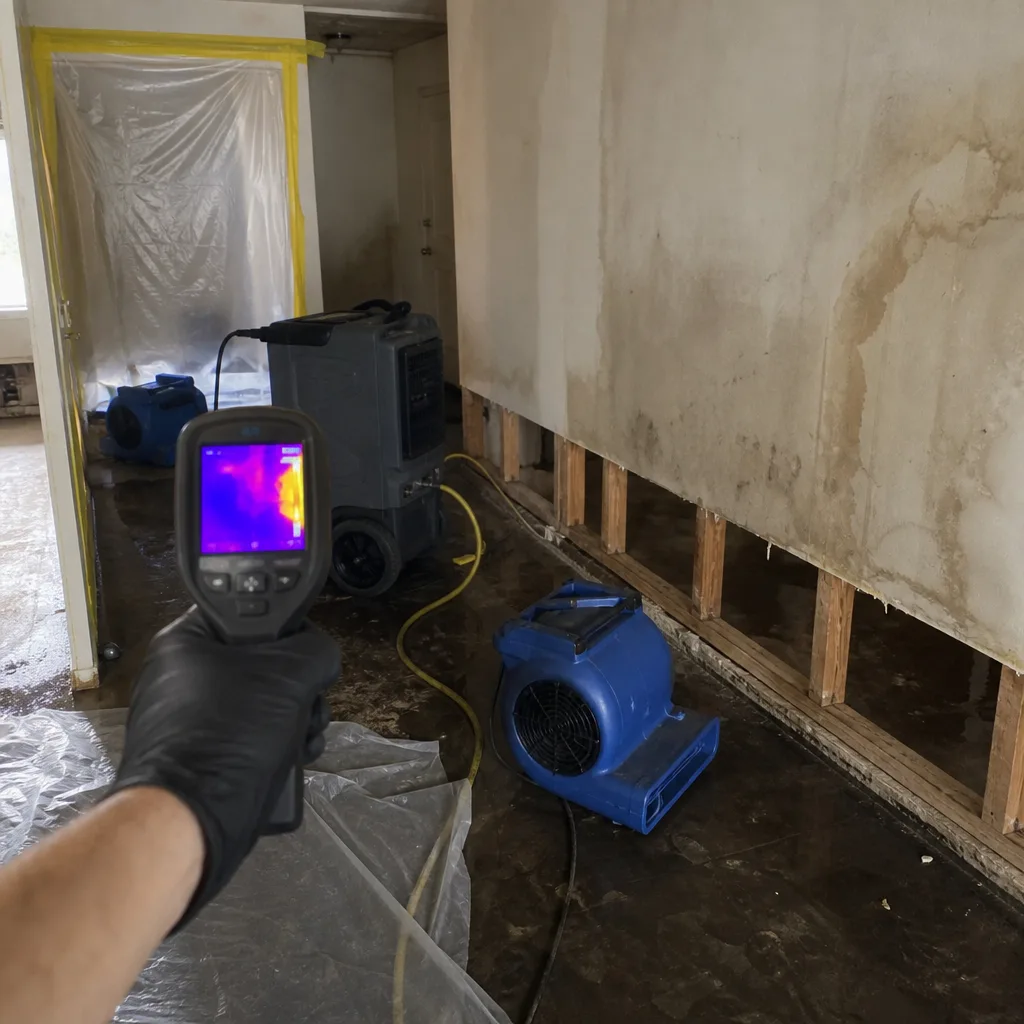 Before
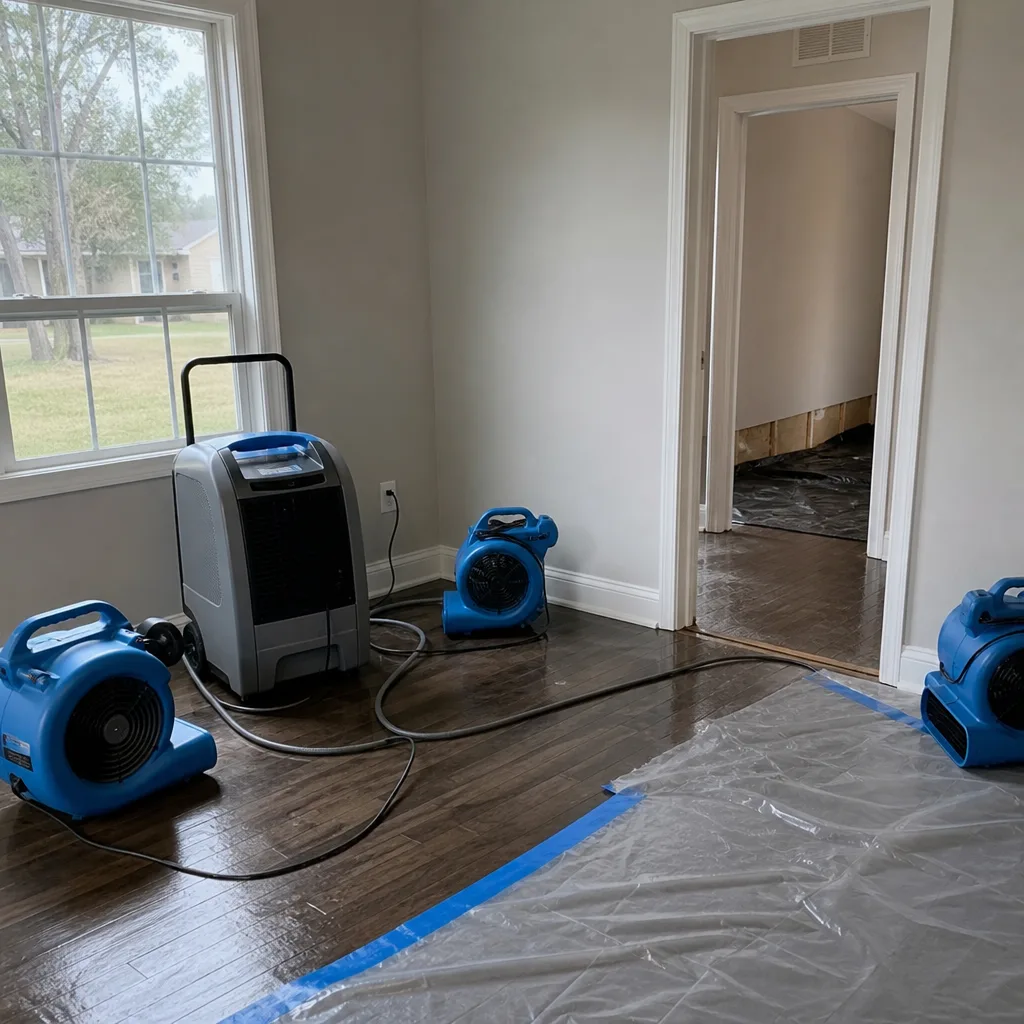 After
After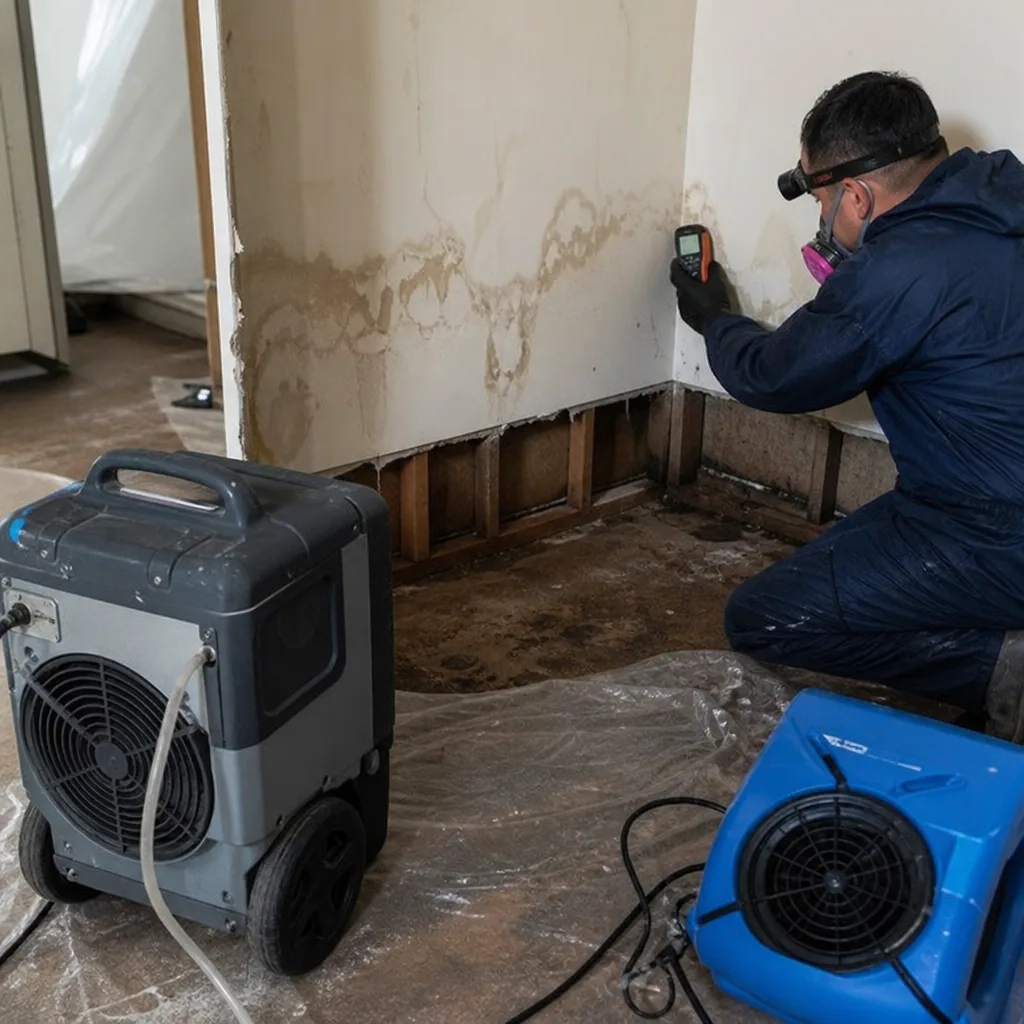 Before
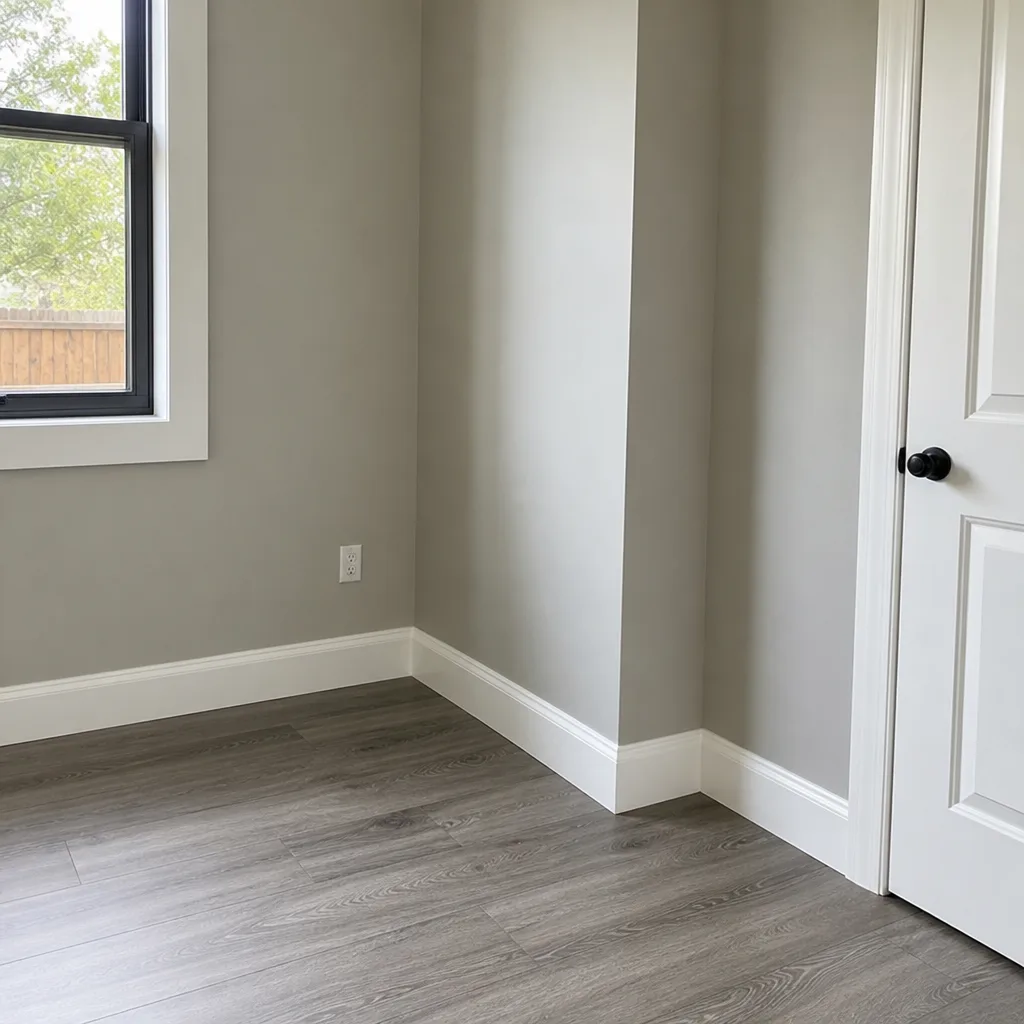 After
After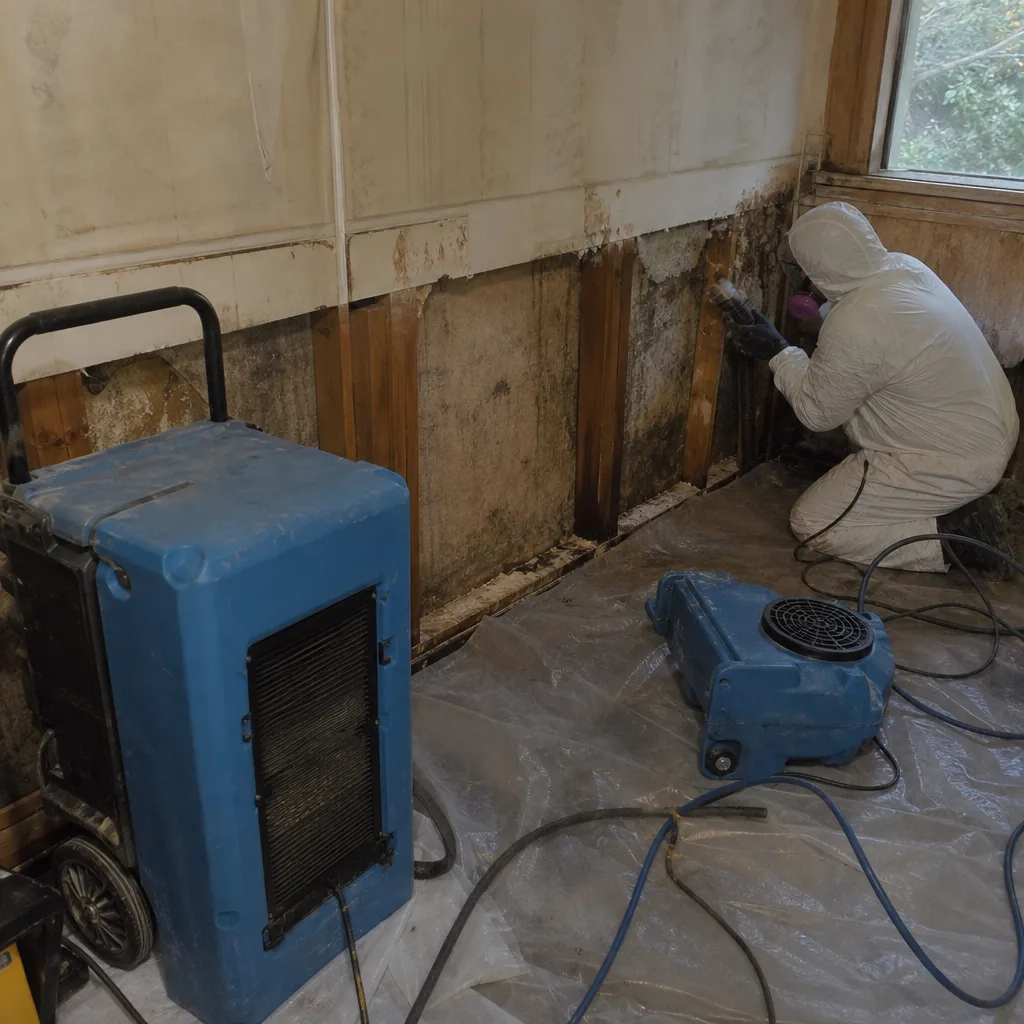 Before
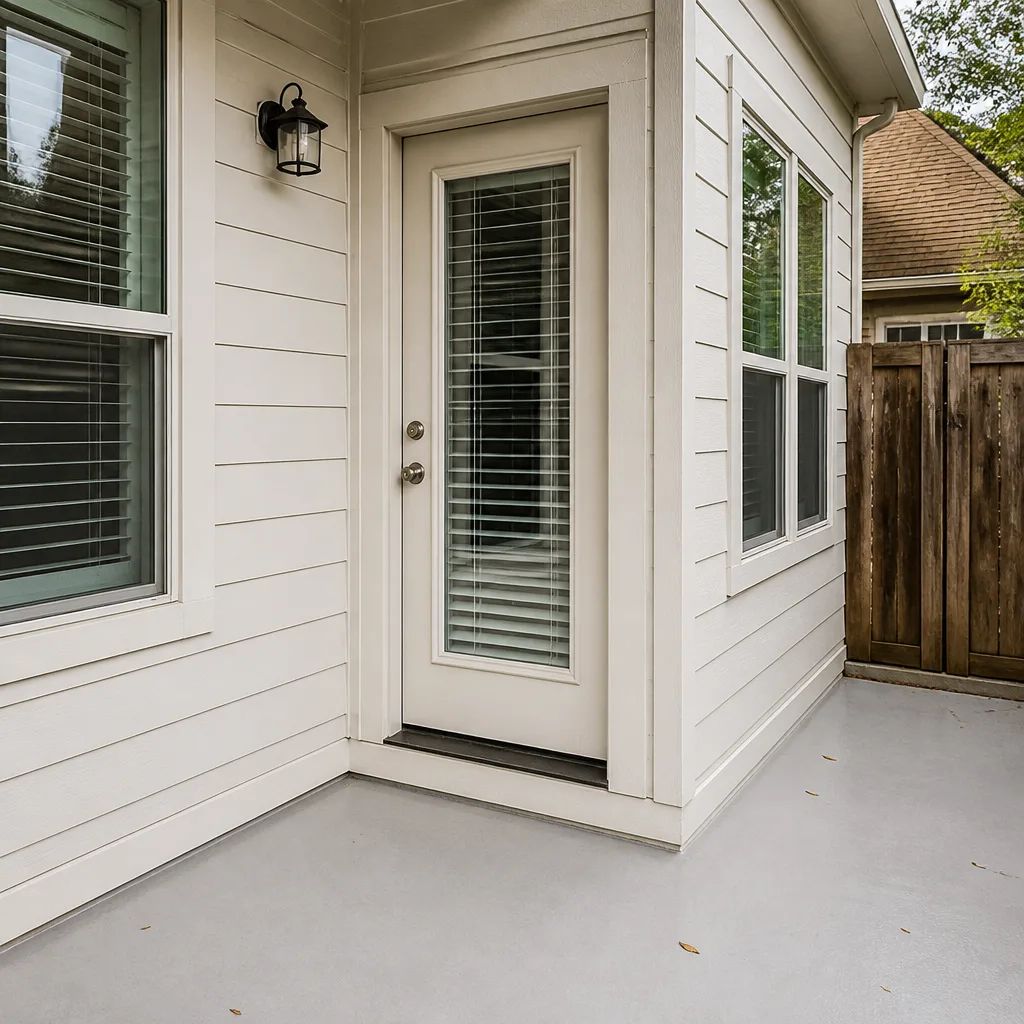 After
After