
Last updated October 16, 2026
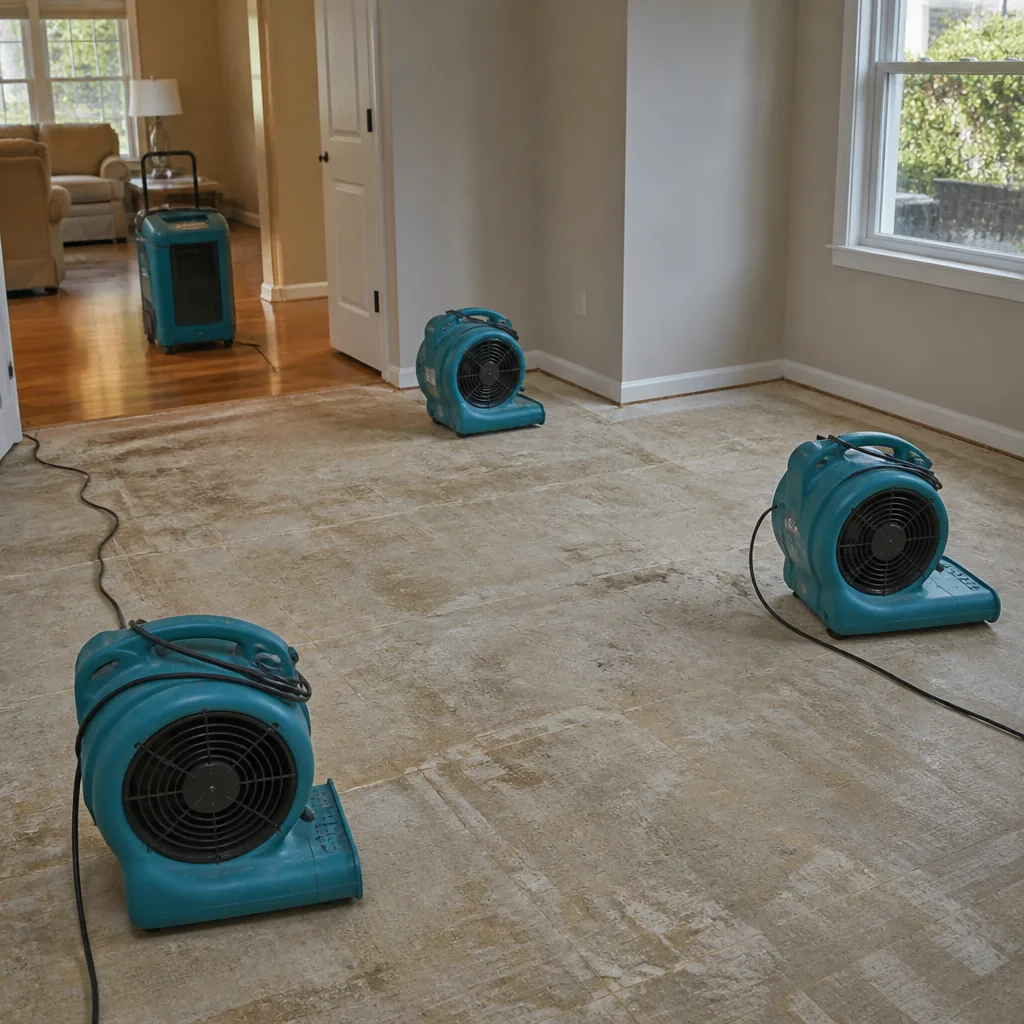 Water damage drying
 Fire & smoke cleanup
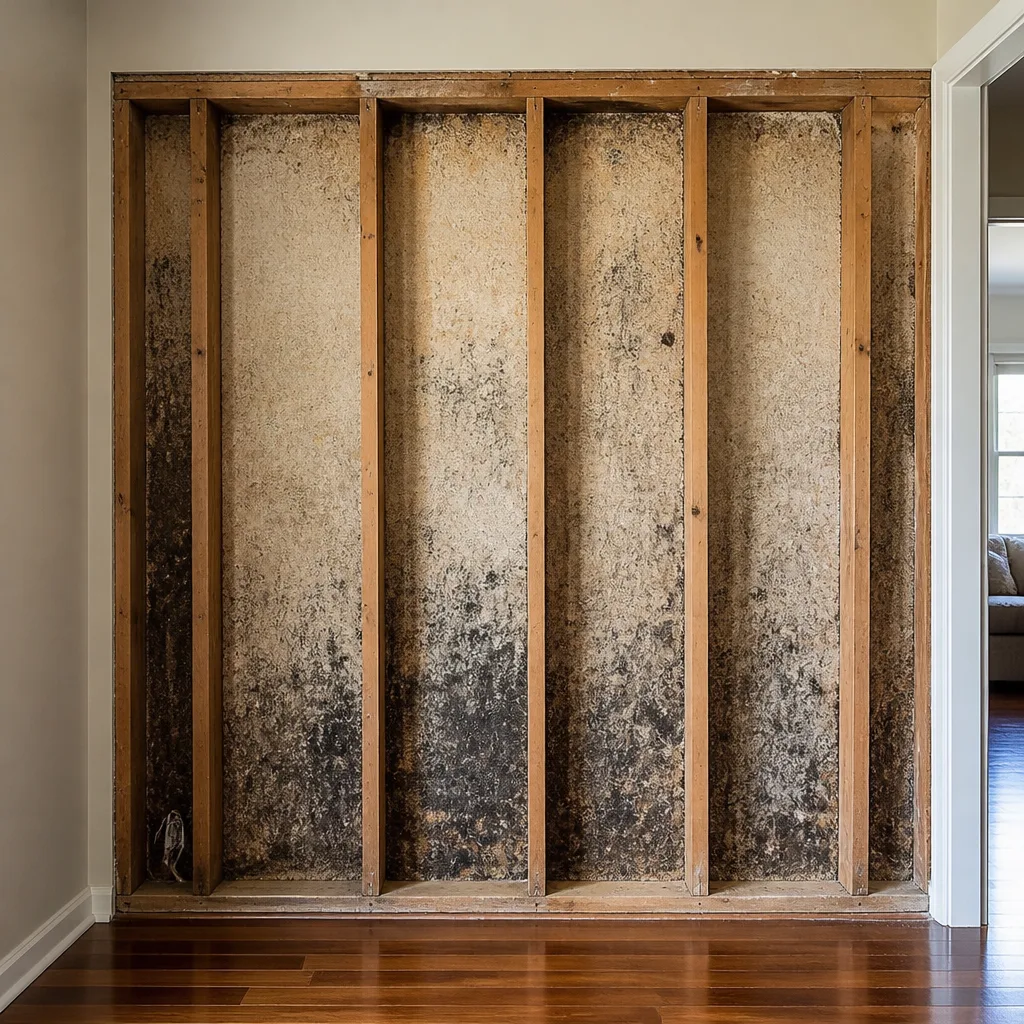 Mold remediation
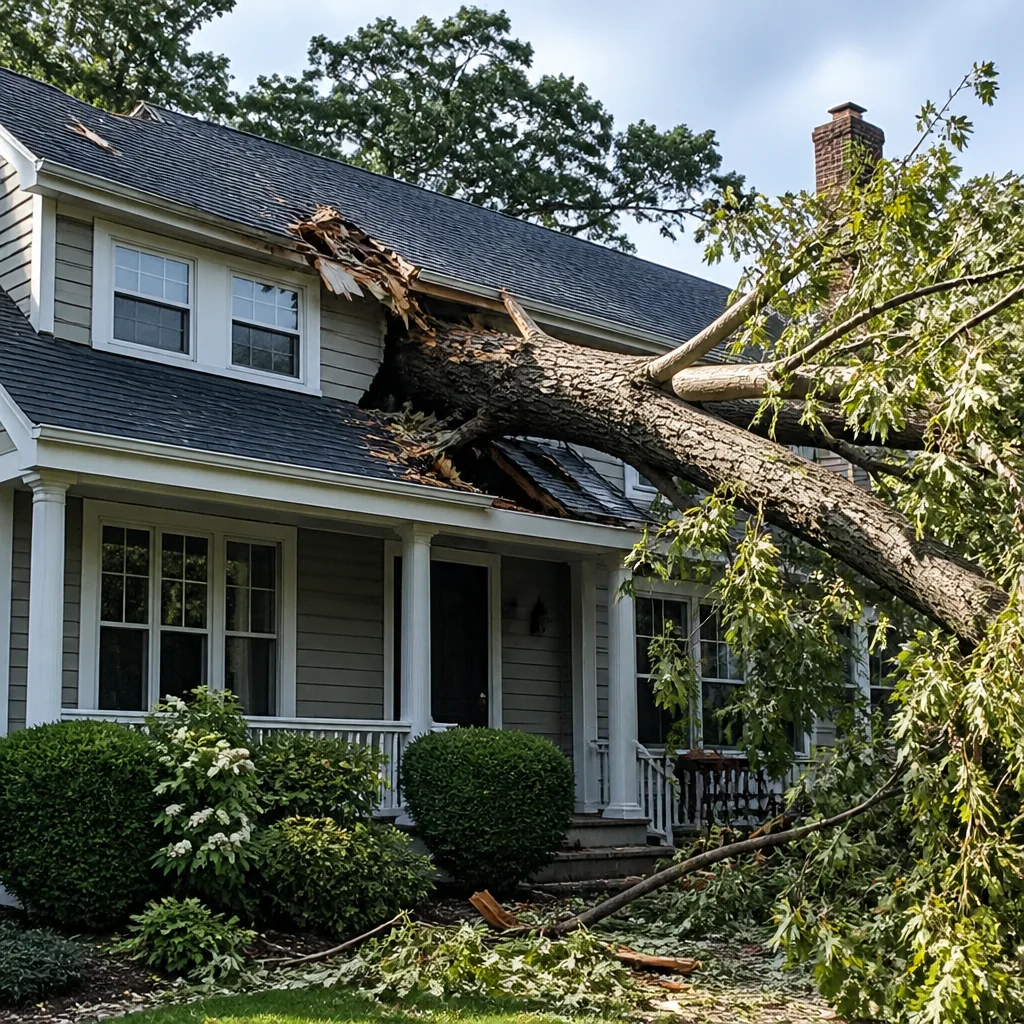 Storm response
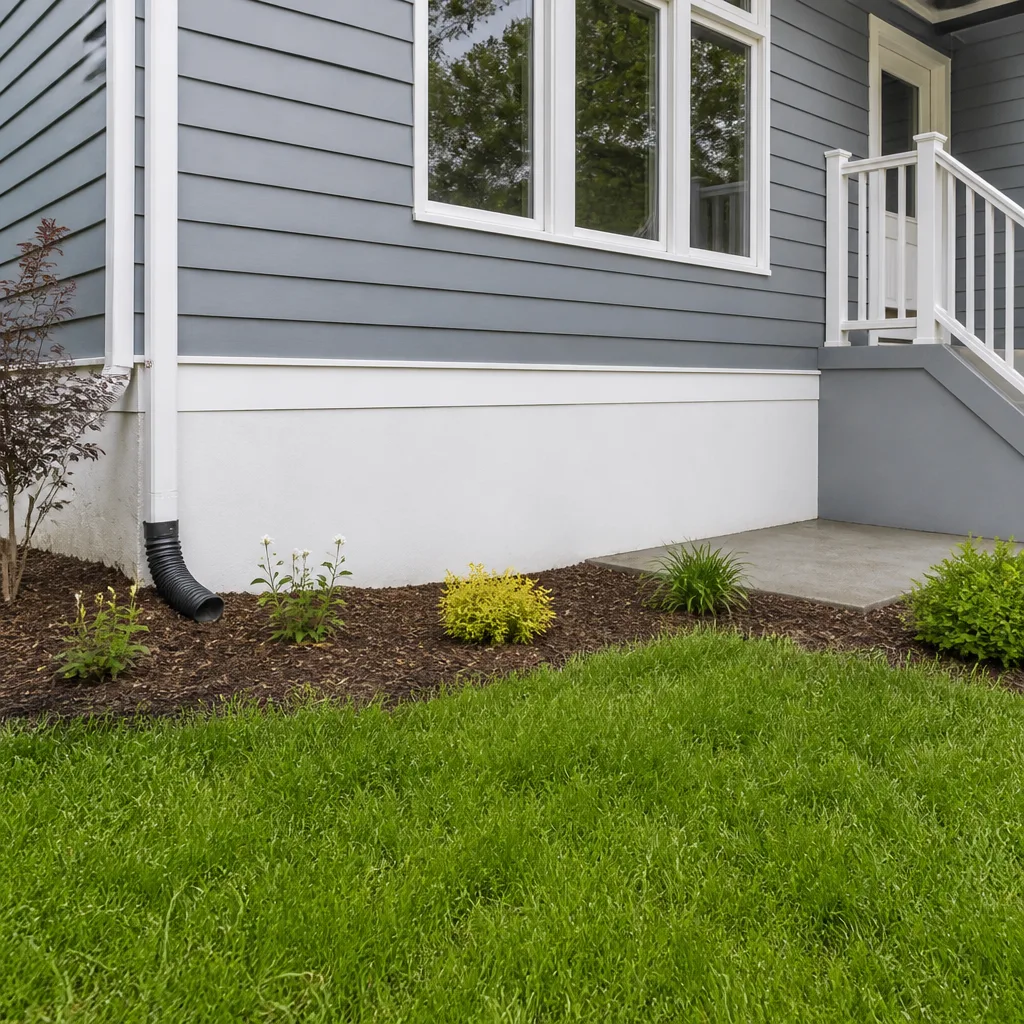 Sewage cleanup
 Reconstruction
Free visual inspection and a written scope of work before any mitigation begins - photos, moisture readings, and drying logs go in your claim file
The scope we write is the scope we bill. Anything new gets shown to you, in writing, before we touch it.
Get your free estimateDIY vs Professional Damage Restoration: The Houston Homeowner’s Decision Guide
A Houston homeowner in Meyerland rented a consumer wet-vac and three box fans after what looked like a minor kitchen leak. The visible puddle was gone in 36 hours. Six weeks later, the base cabinets were swollen, the drywall behind them tested positive for Stachybotrys, and the final remediation bill was three times what a professional dry-out would have cost the day the leak happened. The water never left the wall cavity. The fans just moved air across a surface that was already dry. This guide draws the precise line between what a homeowner can safely handle in Houston and where professional intervention is financially non-negotiable, using moisture science, insurance realities, and the specific climate conditions that make this city different from most of the country.
Restoration work we handle
Quick Answer
DIY restoration is safe and appropriate in Houston only for clean-water spills under roughly 10 square feet on non-porous surfaces, caught within the first hour, with no drywall, insulation, or cabinets affected. Everything beyond that requires professional moisture measurement because Houston’s ambient humidity from May through October makes consumer-grade drying physically incapable of pulling water from wall cavities, regardless of how many fans you run. The boundary is not effort. It is moisture science.
Table of Contents
- The Moisture Science That Actually Decides the Question
- Why Houston’s Climate Makes DIY Drying Different
- The Insurance Documentation Problem With DIY Restoration
- Yes, You Can DIY This: The Houston Homeowner’s Safe List
- What to Actually Buy if You DIY: Equipment and Product Guidance
- Pet-Safe Standards: What the Cedarwell Care Promise Means in Practice
- Common Mistakes to Avoid
- When to Call a Professional
- Frequently Asked Questions
- The Bottom Line
The Moisture Science That Actually Decides the Question
The DIY versus professional decision is not about how handy you are. It is about the moisture content of the materials inside your walls, and whether your tools can measure it. Moisture content is expressed as a percentage by material weight. Wood that reads 16% or above is actively promoting mold growth. Drywall above 1% on a moisture meter should be treated as wet, because gypsum holds water in its core while the paper surface feels dry to the touch. A finger test tells you nothing. A wet-vac removes standing water. It does not remove bound water, which is water that has absorbed into porous material.
We use moisture meters on every single job because they are the only way to know where the water actually traveled. The tide mark, the line water leaves on a wall, is where we start looking, but water moves down, sideways, and into cavities well past the visible line. A consumer-grade moisture meter costs between $25 and $60 and measures surface moisture only. What it cannot do is read moisture behind tile, under vinyl plank, inside wall cavities, or through carpet pad. Those are exactly the places Houston water damage hides.
Here are the thresholds that define the boundary between safe DIY drying and professional intervention:
- Wood framing and subfloor: Below 12% is dry, 12-16% is a monitoring zone, above 16% requires active professional drying with injected or directed airflow.
- Drywall: Any reading above 1% means water has penetrated. Surface may feel dry while the gypsum core holds water.
- Carpet and pad: Pad is sacrificial in almost every case. If the pad is wet, the carpet must be lifted, and the subfloor dried with professional air movers.
- Concrete slab: Houston homes on slab foundations can hold moisture in the slab itself. Concrete can read 4-5% and still be releasing vapor into flooring for weeks.
- Hardwood and laminate: Above 10% means cupping, crowning, or adhesive failure is already beginning.
A $40 moisture meter from the hardware store will help you confirm what is dry. It will not tell you what is wet behind what you cannot reach. In Houston, where the outside air is already water-heavy, guessing wrong is not a minor inconvenience. It is how a $300 cleanup becomes a $9,000 remediation.
Why Houston’s Climate Makes DIY Drying Different
Most DIY restoration advice on the internet is written for places like Denver or Phoenix, where outdoor dew points are low and box fans actually evaporate water. Houston is not those places. From May through October, Houston’s average outdoor dew point sits between 68°F and 76°F. That means the air outside your window is already carrying enough moisture that evaporation from wet building materials slows to a crawl. You cannot dry a wall cavity with air that is already saturated.
Here is the physical reality: consumer fans move air across surfaces. They lower the relative humidity directly at the surface of the material, which encourages evaporation into the air. But if the air moving into the space is Houston July air at 70°F dew point, that air is already at 70-80% relative humidity the moment it enters the room. The evaporation rate from wood and drywall drops dramatically. The water in the wall cavity stays in the wall cavity. You can run three box fans for two weeks and still have a 17% moisture reading in the base plates.
Professional drying equipment solves this with two things: desiccant or refrigerant dehumidification and directed airflow. Portable desiccant dehumidifiers from brands like Dri-Eaz and Phoenix pull moisture out of the air itself, lowering room dew point below what outdoor air can provide naturally. We then direct air into wall cavities using injectors and manifold systems from companies like XPOWER and B-Air. The air is dry first, then forced into the cavity. That is the sequence that makes drying work in a coastal-humidity city like Houston.
Clay soil makes it worse. Most of Houston sits on expansive clay soils that hold water and transmit it through slab foundations by capillary action. After a heavy rain or a plumbing leak under the slab, moisture wicks upward through the concrete and into flooring, baseboards, and framing. This is called moisture migration, and it is invisible from the surface. A consumer-grade drying setup cannot address it at all. The water is not on the floor. It is under it.
The Insurance Documentation Problem With DIY Restoration
If there is any chance you are filing an insurance claim, DIY restoration creates a paperwork problem that most Houston homeowners do not see coming until the adjuster asks for the drying log. Insurance companies do not write checks based on your description of what happened. They write checks based on documentation that proves what was wet, how wet it was, and what was done to dry it.
Professional restoration companies produce the following on every water damage job:
- Moisture readings by room and material type: A map of exactly where water was detected, with percentage readings for each affected material.
- Drying logs: Daily moisture readings showing the drying curve that confirms materials returned to the acceptable moisture threshold.
- Equipment placement records: Documentation of how many air movers, dehumidifiers, and injectors were placed, where they were placed, and for how long they ran.
- Photo documentation: Photos of the damage, the equipment, and the final dry readings, which adjusters use to confirm the scope.
A consumer wet-vac and box fans produce none of this. Without documentation, an adjuster can reasonably argue that the damage was not properly mitigated, that secondary damage was caused by a lack of proper drying, and that the resulting mold and structural issues are the homeowner’s responsibility, not a covered peril. In our experience handling water damage restoration in Houston, the homeowners who have the hardest time with claims are the ones who tried to dry it themselves first and produced zero records.
The fix is not complicated. If you are going to file a claim, bring in a credentialed firm before you touch anything. The written scope and drying records are the difference between a covered loss and a denied claim.
Yes, You Can DIY This: The Houston Homeowner’s Safe List
The point of this guide is not to tell you that everything requires a professional. There are real situations where a Houston homeowner can safely handle the cleanup without help, and doing so is the financially smart call. The line is simple: if the water is clean, the surface is not porous, the affected area is under 10 square feet, and you catch it within the first hour, you can handle this yourself.
Here are the three scenarios we tell Houston homeowners are genuinely safe for DIY:
Scenario 1: Surface-Level Spill on Tile or Concrete (Under 10 Square Feet)
A spilled pitcher of water, a knocked-over dog bowl, or a minor overflow from a sink onto a tile floor. If the water is on tile, concrete, or vinyl that is not cracked or separated, and the water has not reached any drywall, cabinets, or furniture, you can dry this yourself.
- Remove the standing water with clean towels or a wet-vac within the first hour.
- Set a small fan to blow across the area for 2-4 hours.
- Wipe the area dry with a clean cloth.
- Confirm the surface is dry to the touch and no water has wicked under baseboards or appliances.
If the water reached a baseboard, even slightly, pull the baseboard enough to check whether the drywall behind it is damp. If it is, you are no longer in DIY territory.
Scenario 2: RV or Utility Sink Overflow on Tile
A utility sink in a Houston garage or laundry room overflows. The floor is concrete or tile. The water is clean. You catch it quickly. This is a DIY-safe cleanup.
- Stop the source of the water immediately.
- Remove standing water with a wet-vac or mop and bucket.
- Run a box fan pointed at the floor for 2-3 hours.
- Check that no water traveled under the washer, dryer, water heater, or into any drywall or cabinetry.
If the water reached drywall, even a small section at the base, the drywall absorbs it in minutes. Remove the baseboard and check. If the drywall reads above 1% on a moisture meter, cut out the wet section and call a professional to verify the framing behind it. Houston’s humidity will not let wet drywall cure on its own.
Scenario 3: Early-Detected Drip Pan Overflow (HVAC or Water Heater)
You notice water in the drip pan under your water heater or HVAC air handler. The pan is overflowing, but the water has not spread beyond the pan’s footprint. You catch it the same day.
- Turn off the water supply to the water heater or the HVAC system.
- Vacuum the water out of the pan with a wet-vac.
- Dry the area with a fan for 1-2 hours.
- Call a plumber or HVAC technician to address why the pan overflowed, because the pan is a symptom, not the cause.
The key distinction in every one of these scenarios is that the water never touched a porous building material. The moment drywall, cabinet bases, carpet pad, or subfloor becomes wet, the physics of drying in Houston changes. That is the line.
What to Actually Buy if You DIY: Equipment and Product Guidance
If you are going to keep DIY drying supplies in your Houston home, buy the right things and use them within the limits we just described. Most homeowners buy the wrong equipment and create a false sense of security.
Here is what we recommend for a basic Houston homeowner kit:
- A surface moisture meter: $25-$60. Use it to confirm materials are dry after a spill. It will not read behind walls or under floors, but it will tell you if the surface you can see is actually dry. That is useful and honest.
- A small wet-vac: $60-$150. For removing standing water quickly. Get one with a 4-6 gallon capacity and a hose attachment for tight spots.
- A high-velocity air mover, not a box fan: $100-$200. A consumer air mover moves significantly more air than a box fan and directs it at the floor. Box fans blow air in all directions. Air movers push it where you need it. This matters more than most people think.
- A small dehumidifier: $150-$250. This is helpful in a closed Houston bathroom or closet where you are drying a small area. It will not dry a wall cavity, but it will reduce surface drying time on tile and concrete.
- Clean towels, a mop, and a bucket: You already have these. Use them.
The thing to understand about the consumer-grade dehumidifier is this: a small compressor dehumidifier rated for 20-30 pints per day is designed for normal household humidity control. It cannot achieve the same air-drying capacity or low dew point that a professional desiccant unit produces, and it will not pull meaningful moisture from inside a wall cavity. Use it for surface drying only. Do not convince yourself it is doing work it is not designed to do.
Pet-Safe Standards: What the Cedarwell Care Promise Means in Practice
If you attempt partial DIY and find you need an antimicrobial or cleaning agent, the product choices matter, especially in homes with children and pets. This is an area where we see Houston families make avoidable mistakes. Many off-the-shelf antimicrobials and mold-killing products contain quaternary ammonium compounds, or quats, which are effective but can irritate skin, eyes, and respiratory systems in both humans and pets. Children crawling on treated floors or dogs licking paws after walking on a treated surface are real exposure risks.
Our standard, under the Cedarwell Care Promise, is to use pet-safe products wherever there is a choice. In practice that means favoring hydrogen peroxide-based cleaners and botanical antimicrobials over quat-based formulas, and avoiding products that require evacuation during application. It also means reading the label. If a product says to keep children and pets off the surface for a specific number of hours, that is a signal to think carefully about whether there is a safer product for your home.
Off-the-shelf products we consider safe for homeowner use in small, surface-level applications include:
- 3% household hydrogen peroxide, applied to a clean cloth and wiped on the affected surface.
- White vinegar and water in a 1:1 ratio for very light, superficial mildew on tile or grout.
- Botanical or plant-based antimicrobials sold at hardware stores, provided the label confirms no quarantine period for pets.
Products we steer Houston families away from for any surface where children or pets spend time include undiluted bleach, products with quaternary ammonium compounds where there is a pet-safe alternative, and any product that requires you to stay out of the room for more than 30 minutes after application. If the label says to evacuate, there is a reason. This is one of the quiet benefits of professional remediation: the mold remediation in Houston we provide is done with product selection that accounts for the family living in the home, including the four-legged members.
Common Mistakes to Avoid
- Running box fans for days without a dehumidifier. In Houston’s humid months, you are just circulating wet air across wet surfaces. The surface dries slowly, and the cavity underneath stays wet. Then the mold appears behind the baseboard.
- Trusting the “dry to the touch” test. Drywall, cabinet bases, and subfloor can feel dry on the surface while holding double-digit moisture in the core. The surface is not the story. The moisture meter is the story.
- Using bleach to “kill mold” on porous surfaces. Bleach does not penetrate porous materials. It whitens the surface while the roots survive beneath. You get a clean-looking surface and a growing colony inside the drywall.
- Wait too long to address drip pan overflows. A slow overflow that drips for days before anyone notices has already saturated the subfloor and base framing. By the time the pan is full, the damage is done.
- Filing an insurance claim with no documentation. Adjusters need a drying log, moisture readings, and a scope of work. A homeowner who cannot produce those is inviting a reduced settlement.
- Assuming hardwood floors will “dry out fine.” Solid hardwood and engineered flooring in Houston do not return to their original condition after water exposure. They cup, crown, and discolor. The longer they sit wet, the more likely they are to be a total loss.
- Not checking inside the wall cavity before replacing baseboards. A common pattern: homeowner dries the visible floor, reinstalls the baseboard, and seals the wet framing inside. Six weeks later the wall smells musty and the baseboard is warped.
When to Call a Professional
Call a professional the moment water reaches any porous building material: drywall, cabinet bases, carpet pad, subfloor, or framing. Call if the water came from a sewage backup or a toilet overflow that reached the floor, because that is contaminated water and requires a different protocol. Call if you see water staining on the ceiling below a bathroom or if you smell mustiness that you cannot source. Call if more than 10 square feet of flooring is wet, if the leak happened while you were away, or if a flood event brought storm water into the home. In every one of these cases, the moisture is no longer on the surface, and the documentation question is already active. Tidemark Water Damage Houston home services include free estimates across the Houston area. Call (325) 423-6800 and a live person answers, any hour, any day.
Frequently Asked Questions
It is safe to handle yourself only if the water is clean, the surface is tile or sealed concrete, the affected area is under 10 square feet, and you catch it within the first hour with no drywall, cabinets, carpet, or subfloor involved. If any porous material is wet, the job has moved beyond what consumer tools can reliably dry in Houston.
Correct. From May through October, Houston’s outdoor dew point is high enough that fans are moving air that is already carrying significant moisture. Without a desiccant dehumidifier lowering the air’s moisture-holding capacity and directed injection into the cavity, the wall cavity stays wet no matter how long the fans run.
Insurance will cover the loss if it is a covered peril, but your claim strength depends on documentation. A professional firm produces moisture readings, a drying log, and equipment placement records. A DIY attempt usually produces none of that, and adjusters can and do use the documentation gap to reduce payouts.
Yes. Under the Cedarwell Care Promise, we use pet-safe products wherever there is a choice, favoring hydrogen peroxide-based cleaners and botanical antimicrobials over quat-based formulas, and we avoid products that require the family to evacuate during or after application.
Stop the water source if you can do so safely, then call a restoration company before you move anything. Photograph everything as it sits. Do not use a household vacuum on water unless it is a wet-vac. And do not wait until morning, because water in a Houston wall cavity is doing more damage every hour it sits.
We answer the phone with a live person 24 hours a day, seven days a week, and can dispatch a crew the same day in most cases. Water damage does not wait for business hours, so neither do we. Call (325) 423-6800 and you will talk to a person, not a voicemail.
No. Fire damage involves combustion byproducts, soot that is oily and acidic, and smoke that has penetrated every porous surface. It is a different category of damage. Read our fire damage restoration in Houston guide for the specifics, but the short answer is that fire restoration is never a DIY job.
The Bottom Line
The DIY versus professional decision in Houston is a moisture science question, not a capability question. Surface spills under 10 square feet on tile, caught immediately, are safely DIY. Anything that touches drywall, cabinets, carpet pad, or subfloor needs professional measurement, professional drying, and professional documentation, because Houston’s humidity will not dry wall cavities on its own and insurance adjusters need records that consumer tools cannot produce. The homeowner who rents a wet-vac and three box fans is not saving money in this city. They are deferring a larger bill by about six weeks. Know the line. Respect the line. And if you are unsure which side of it you are on, call (325) 423-6800 and ask. Estimates are free, and the answer is honest either way.
Written by Rick Sumner, Owner at Tidemark Water Damage Houston, serving Houston since 2006.
See the difference
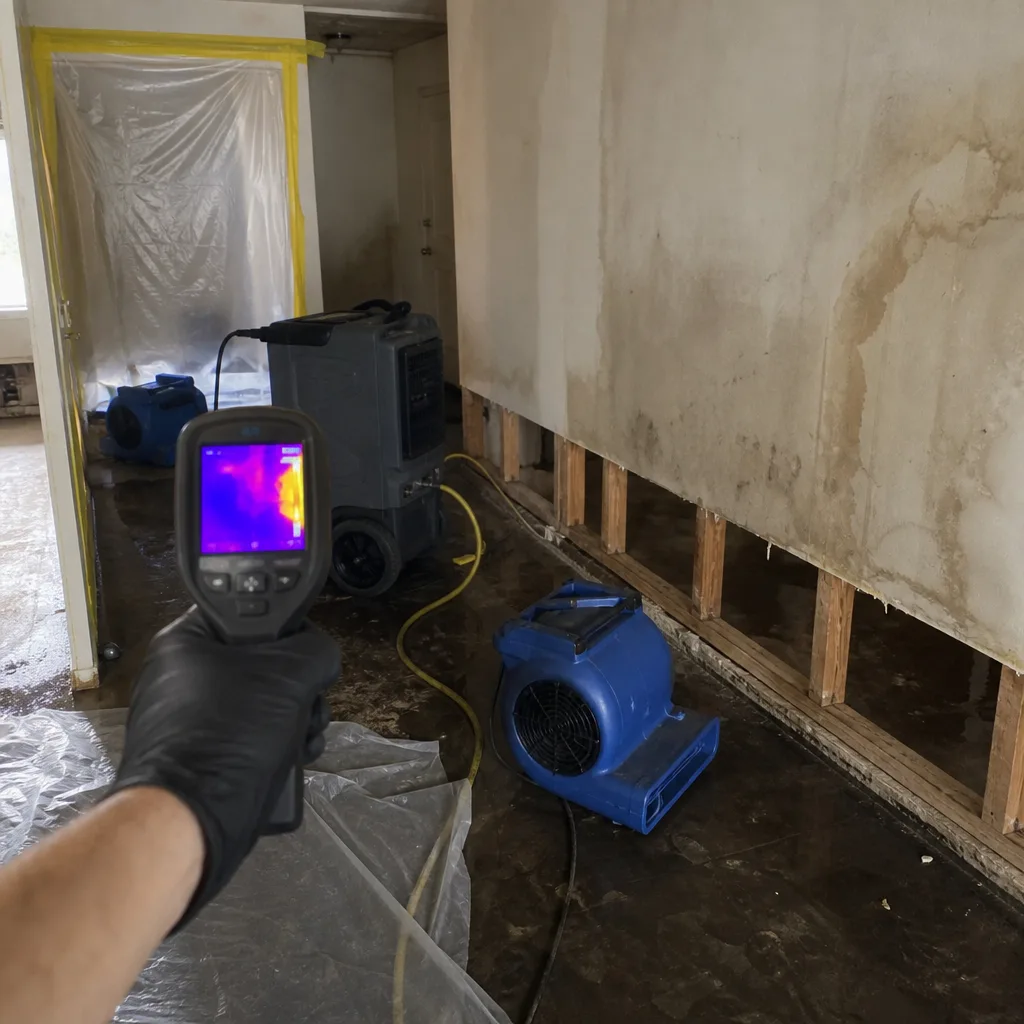 Before
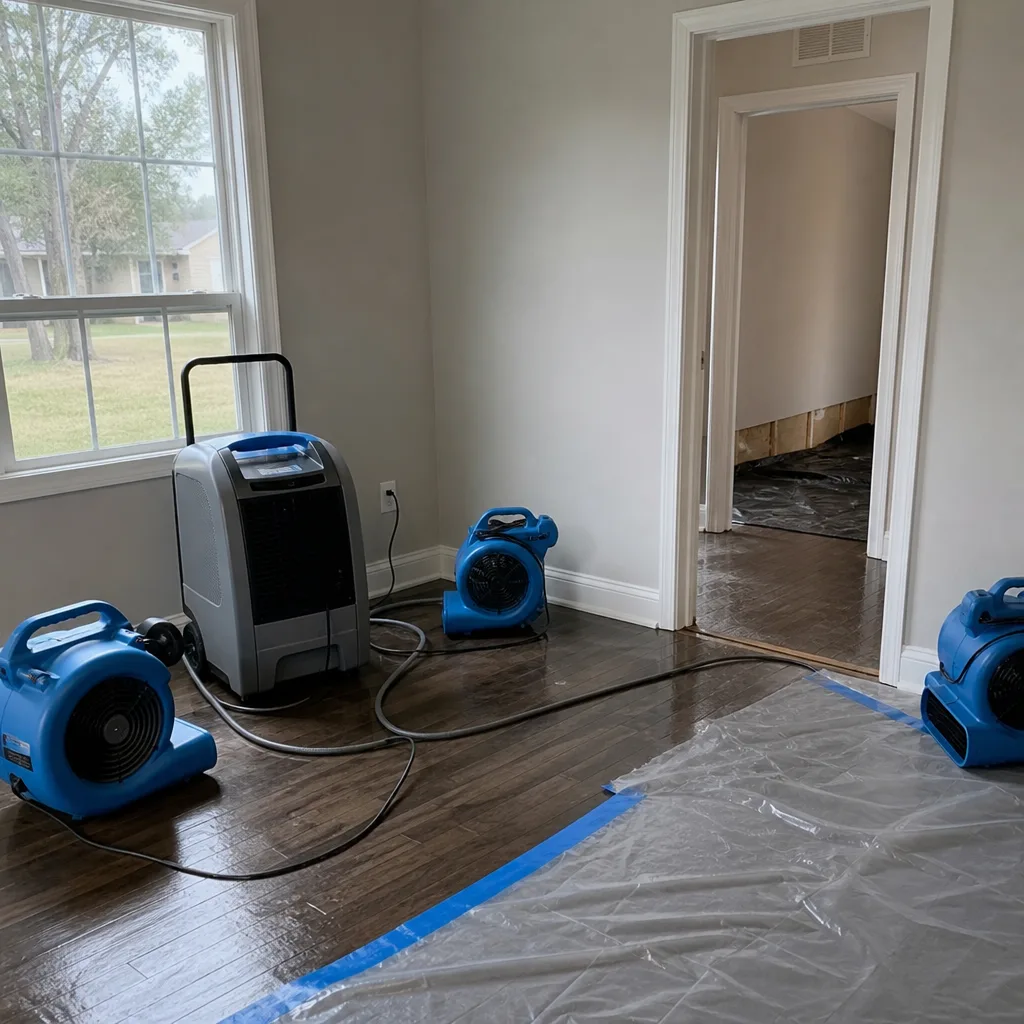 After
After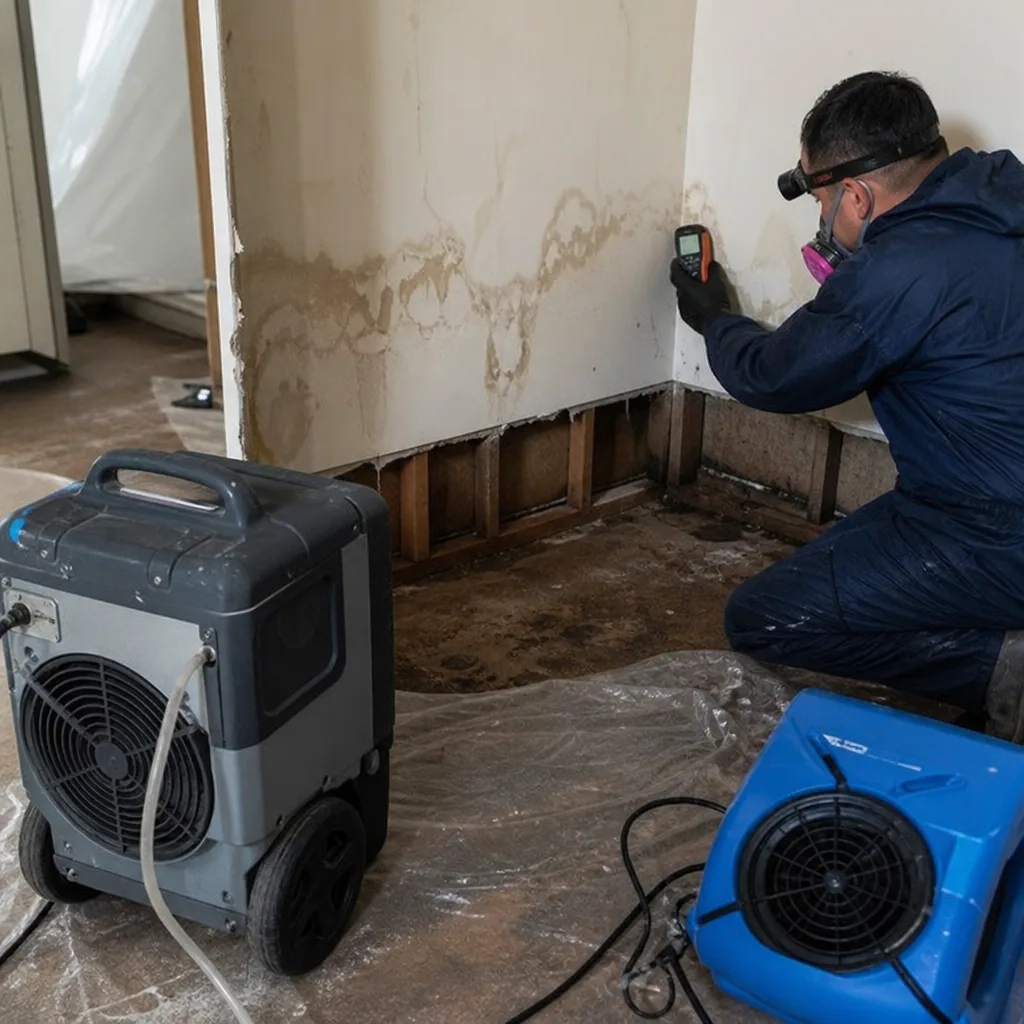 Before
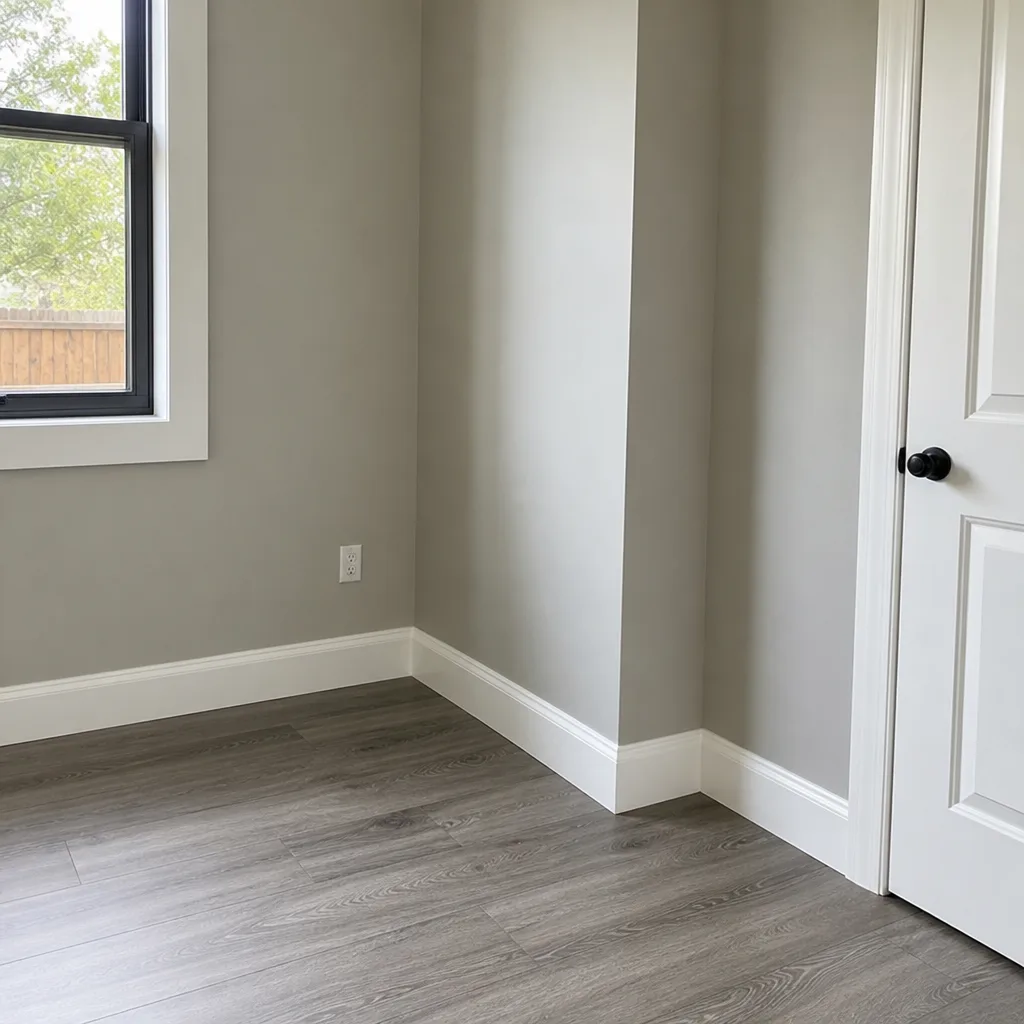 After
After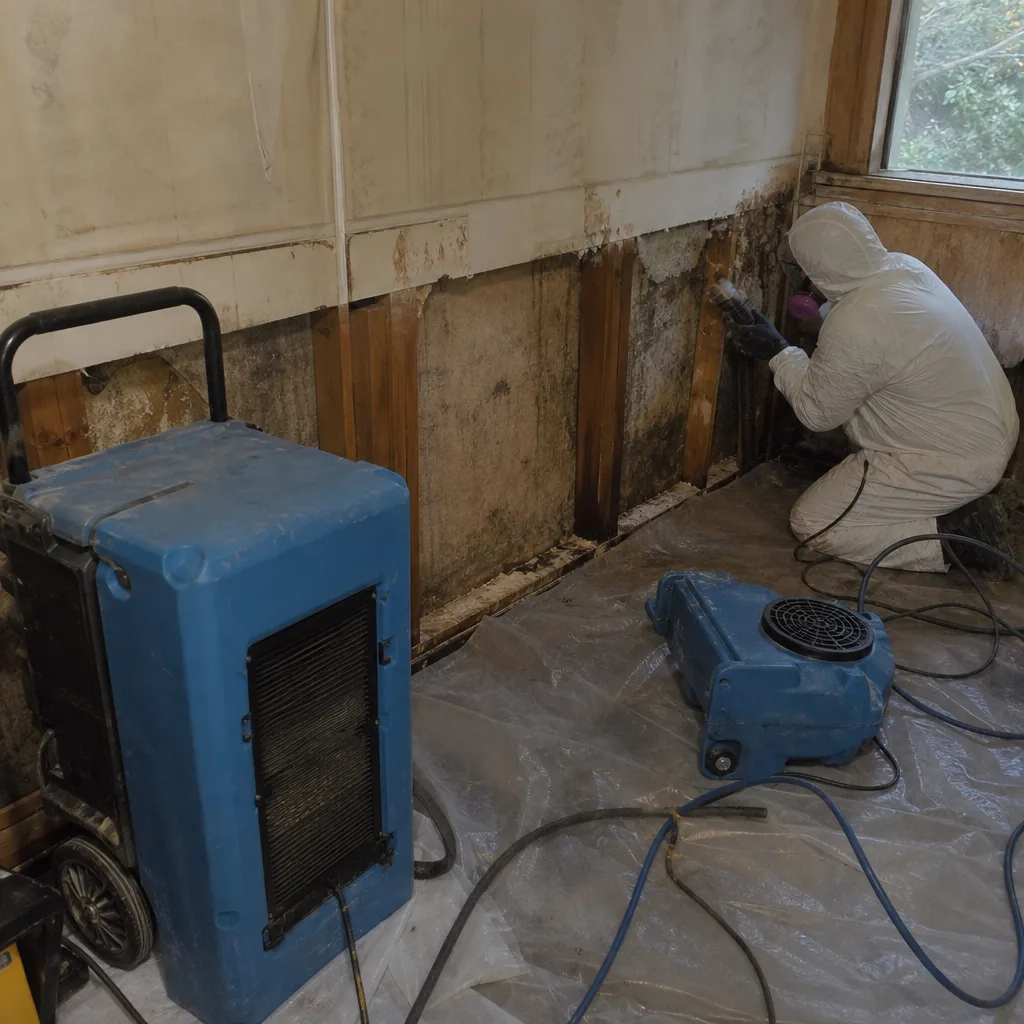 Before
 After
After