
Last updated October 16, 2026
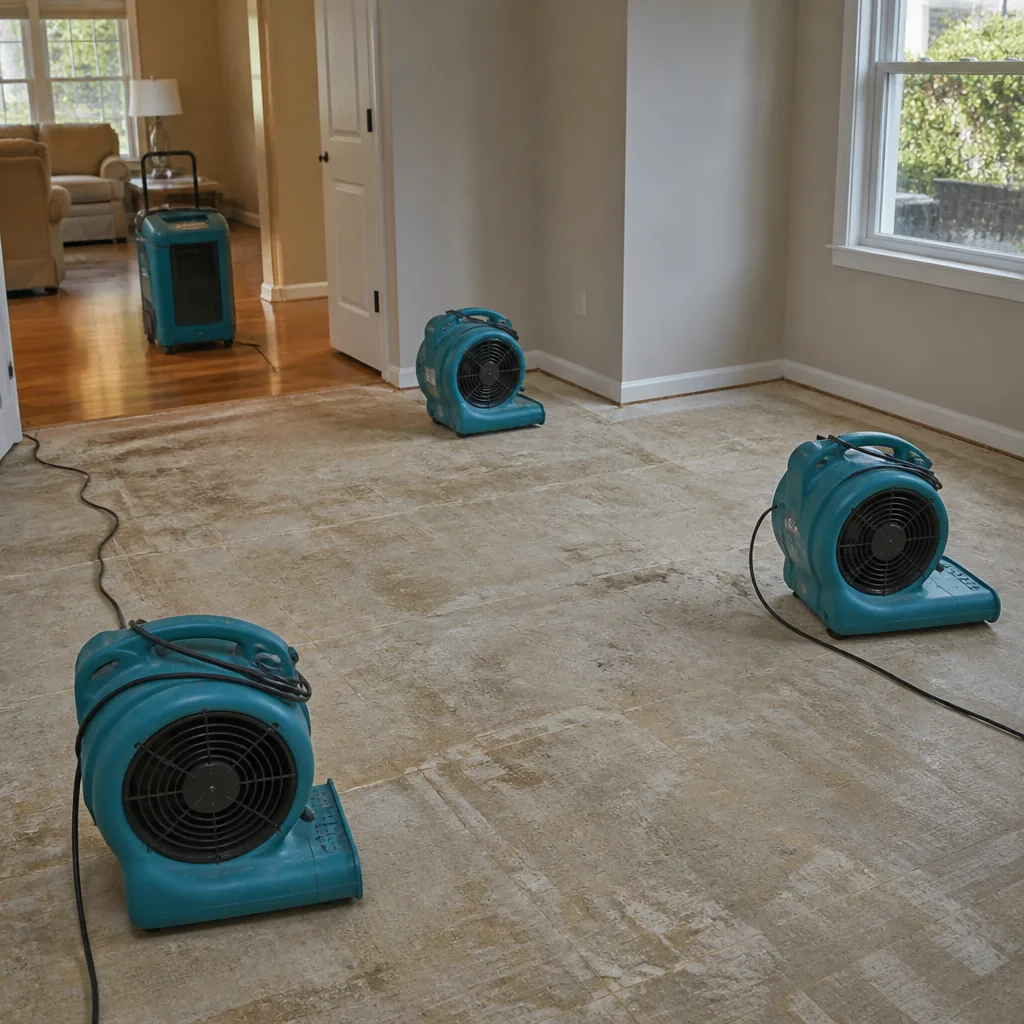 Water damage drying
 Fire & smoke cleanup
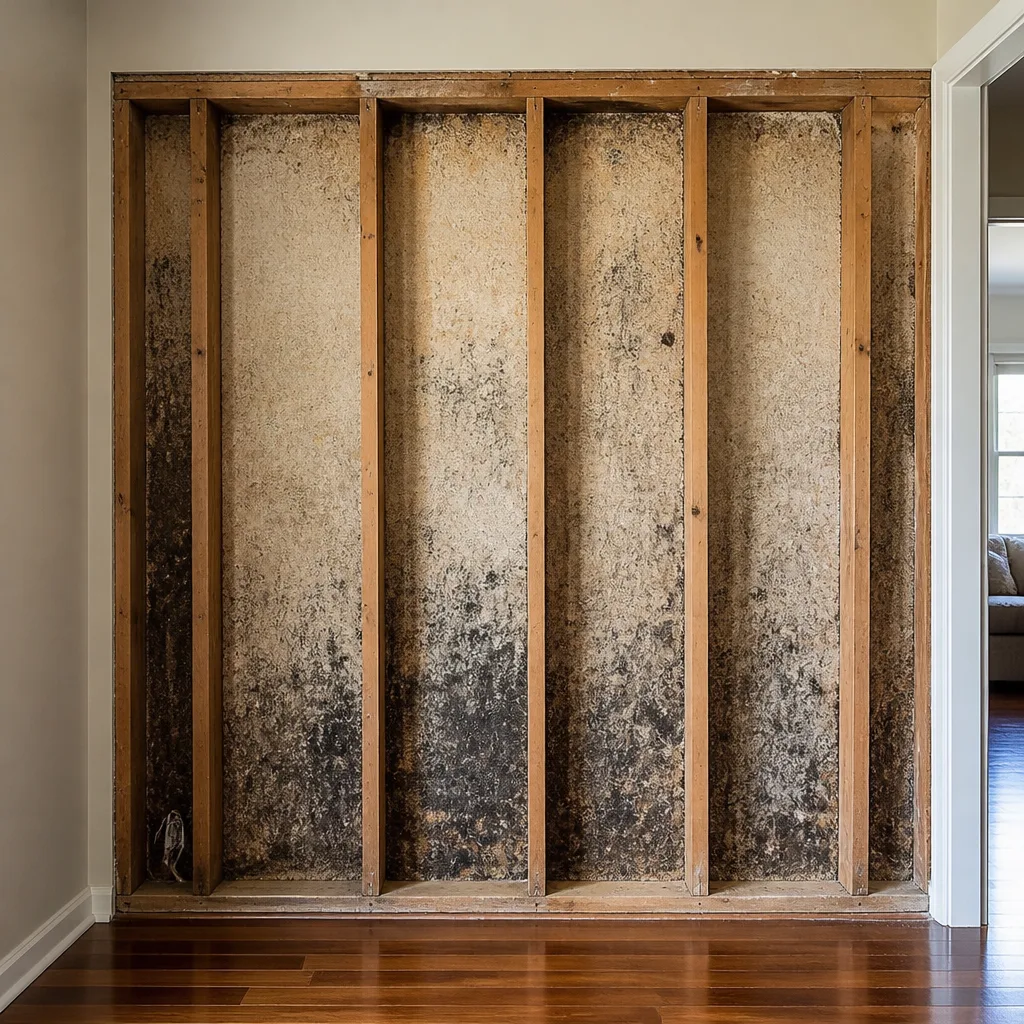 Mold remediation
 Storm response
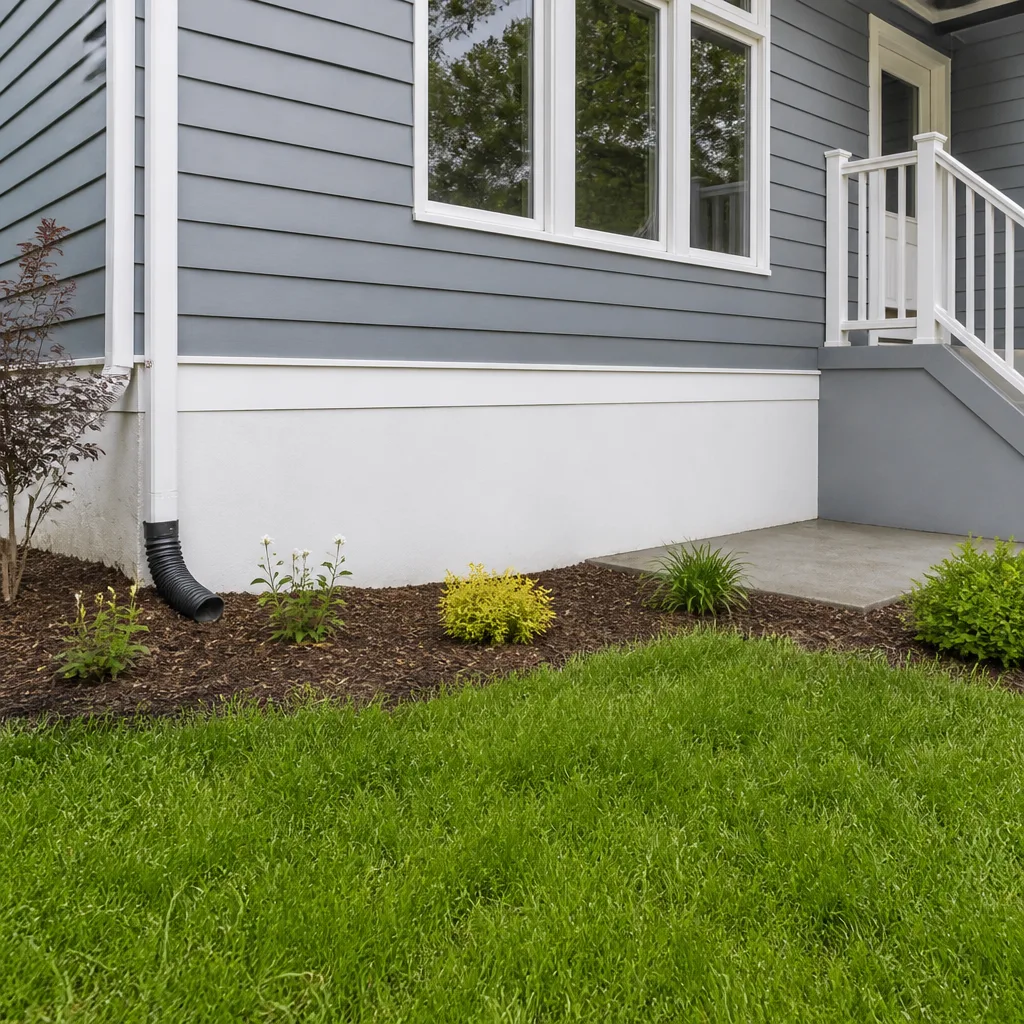 Sewage cleanup
 Reconstruction
Free visual inspection and a written scope of work before any mitigation begins - photos, moisture readings, and drying logs go in your claim file
The scope we write is the scope we bill. Anything new gets shown to you, in writing, before we touch it.
Get your free estimateSeasonal Damage Restoration Care for Houston: Year-Round Homeowner’s Guide
February is Houston’s most underestimated water damage month. Not because of rain, but because of rapid temperature swings that condense moisture inside wall cavities. A 40-degree morning followed by a 75-degree afternoon creates exactly the conditions that squeeze humidity out of the air and into places you cannot see. Homeowners usually discover the result in April, when drywall blisters or baseboards begin to swell for no obvious reason. This guide replaces the generic spring/fall checklist with a Houston-specific month-by-month framework tied to five distinct moisture threat windows, each with its own failure point and its own set of dated, scoped homeowner actions. For a deeper look at year-round protection, see our Complete Guide to Damage Restoration in Houston.
Restoration work we handle
Quick Answer
Seasonal damage restoration care in Houston means tracking five distinct moisture threat windows: February freeze-thaw condensation, April-May heavy rain onset, June-August high-humidity stagnation, September-October tropical storm peak, and December holiday plumbing stress. Each window demands a different homeowner action, from flushing water heaters before October 1 to adjusting interior humidity targets as outdoor dew points shift. The goal is to prevent water damage before it reaches the restoration stage, and to know exactly when a written-scope professional assessment is the cheaper option than waiting. Our Damage Restoration Cost Breakdown for 2026 explains what Houston homeowners can expect to pay at each stage.
Table of Contents
- The Five Houston Moisture Threat Windows
- February Freeze-Thaw: The Condensation Window
- April-May: The Heavy Rain Onset Window
- June-August: The High-Humidity Stagnation Window
- September-October: The Tropical Storm Peak Window
- December: The Holiday Plumbing Stress Window
- Seasonal Humidity Targets for Houston Homes
- August Drainage Tasks: Staying Ahead of Storm Season
- How the 365-Day Done Right Promise Interacts with Seasonal Maintenance
- Common Mistakes to Avoid
- When to Call a Professional
- Frequently Asked Questions
- The Bottom Line
The Five Houston Moisture Threat Windows
Houston does not have four seasons. It has five moisture threat windows, each with a distinct mechanism of water intrusion and a distinct set of homeowner actions that actually prevent damage. Understanding these windows makes the difference between a house that weathers the year quietly and one that develops a slow, expensive leak you only notice when the drywall stains.
- February freeze-thaw: Condensation inside wall cavities and uninsulated pipes at risk during overnight temperature swings.
- April-May heavy rain onset: Saturated ground, first real test of drainage and foundation slabs after winter.
- June-August high-humidity stagnation: Elevated indoor dew points, HVAC condensate overload, and slow-drying conditions that feed mold.
- September-October tropical storm peak: Flash flooding, wind-driven rain, and the backup of storm drains overloaded by sudden volume.
- December holiday plumbing stress: More occupants, more cooking grease, colder snaps than most Houstonians expect, and a disposal system asked to do too much.
Each window below includes specific, dated tasks. These are not generic tips. They are sequenced to the actual Houston climate calendar, and they are the same tasks we walk our own clients through during a water damage restoration in Houston job when we map out what went wrong and what would have caught it earlier.
February Freeze-Thaw: The Condensation Window
The freeze-thaw window in Houston is not about frozen pipes, though that happens more often than people admit. It is about condensation. When an overnight low drops into the 30s and the afternoon climbs into the 70s, the temperature gradient across your exterior walls drives moisture out of the indoor air and into the wall cavity. That moisture sits against sheathing and insulation. It does not dry quickly because the cavity has no airflow. By April, the drywall on the warm side of the wall shows it: soft spots, bubbling paint, or a faint brown outline where the studs are.
We have seen this pattern concentrated in older homes in neighborhoods like Timbergrove and the Heights, where wall insulation is minimal and the temperature swing hits the sheathing directly. Newer construction with closed-cell foam is far less vulnerable, but any home with fiberglass batts and no vapor barrier gets some degree of this.
What to do in February:
- On the first warm day after a cold snap, walk every exterior wall. Run your palm along the drywall at stud height. If it feels cool or tacky, you have condensation occurring inside the cavity.
- Check behind furniture placed against exterior walls. Upholstered pieces trap a pocket of warm, moist air. Pull them two inches off the wall during February.
- Inspect the floor around exterior door thresholds. Freeze-thaw cycles expand and contract door frames, and the gap that opens in February is exactly where April rain enters.
- Set your thermostat no lower than 65 degrees at night during cold snaps. Letting the house drop below that pulls warm, moist indoor air toward cold exterior surfaces and accelerates cavity condensation.
If you find soft drywall or a musty smell in February, that is a sign the condensation window has already been working. It is far cheaper to open a small section of drywall in February and dry the cavity than to wait until the mold bloom in May. A technician with an IICRC credential and a Dri-Eaz moisture meter can map the wet area in twenty minutes without opening more than necessary.
April-May: The Heavy Rain Onset Window
April and May are when Houston gets its first sustained heavy rain after the winter dry spell. The ground saturates quickly, and saturated ground puts hydrostatic pressure on foundation slabs. A hairline crack that has been dormant since October suddenly weeps water after a two-inch rain. The first sign is usually a damp carpet pad in a ground-floor room, or a musty smell that appears only after rain.
This is also the window when clogged gutters reveal themselves. All the leaves and debris that fell in late winter have been sitting in the channels, and the first heavy rain overflows them. Water cascades down the fascia, runs behind the brick veneer, and finds its way into the wall system. Houston homes with brick exteriors are particularly vulnerable here, because the brick itself never shows the damage. It all happens in the cavity behind it.
What to do in April and May:
- Clean gutters and downspouts before the first forecasted heavy rain. Do not wait until you see overflow. In Houston, the first heavy rain is the test.
- Walk the perimeter during a steady rain with an umbrella. Look at every downspout. If water is pooling within three feet of the foundation, add an extension or splash block immediately.
- Check the slope of the ground against the foundation. It should fall away at least six inches in the first ten feet. If it does not, regrade before May ends.
- Inspect all exterior door thresholds and window sills on the south and east exposures. These take the brunt of spring storms and are the first to fail caulking.
- Pull back the carpet at the corner nearest any exterior door. Feel the pad. If it is damp after a rain, you have a threshold leak that needs sealing now, not later.
One thing we tell homeowners in Houston regularly: a damp carpet pad is a moisture reservoir. It will not dry on its own in Houston humidity. Even after the surface feels dry, the pad holds enough moisture to support mold growth within 48 to 72 hours. If you find damp padding, call for a professional assessment before you attempt to dry it yourself with a box fan. The right equipment from Dri-Eaz or Phoenix moves far more air, and the wrong approach simply pushes moisture deeper into the subfloor.
June-August: The High-Humidity Stagnation Window
Summer in Houston is not a water event. It is a water condition. Outdoor dew points sit in the mid-70s for weeks at a time. Indoor humidity creeps up as the HVAC system runs longer and harder. Condensate lines clog. Condensate drain pans overflow. The overflow runs down into the ceiling below, or worse, pools inside the air handler cabinet and rusts the evaporator coil support.
This is the window when we see the most avoidable water damage in Houston homes. It is not dramatic. It is a slow, steady drip from a clogged condensate line that soaks a ceiling joist for three weeks before the sheetrock finally gives way. By the time you see the stain, the framing has been wet long enough to warp.
What to do in June, July, and August:
- Pour one cup of white vinegar into the primary condensate drain line every 30 days during cooling season. This dissolves the algae biofilm that clogs the line. Do not use bleach. Bleach does not dissolve biofilm and can damage PVC over time.
- Check the emergency drain pan under the air handler monthly. If you see standing water, the primary line is already clogged and needs professional clearing now.
- Set your thermostat to maintain 72 to 75 degrees during hot weeks. Letting the house heat up when you leave for work causes the indoor air to hold more moisture, which condenses on cooler surfaces when the AC kicks back on.
- Keep interior doors open during the day. Closed rooms with closed vents create dead-air pockets where humidity rises and condensation forms on windows, baseboards, and behind furniture.
- Run bathroom exhaust fans for 20 minutes after every shower. In a Houston summer, that steam goes somewhere. Without exhaust, it goes into your drywall.
Mold is the quiet partner in this window. Mold remediation in Houston jobs spike in August, not because of a sudden water event, but because slow, low-grade moisture has finally crossed the threshold where visible growth appears. The growth is usually on the backside of drywall, behind furniture, or in the corner of a closet that never gets airflow. By the time it is visible, it has usually been there for weeks. The earlier you address humidity, the less likely you are to need remediation at all.
September-October: The Tropical Storm Peak Window
Houston’s tropical storm season peaks in September, with October as the second active month. This is the window of sudden, high-volume water. A stalled storm can drop ten inches in six hours. Street drainage backs up. Storm drains reverse flow. Water finds every low point in the slab, every crack in the foundation, every door threshold that has been quietly failing for months.
The difference between a home that takes on an inch of water and a home that takes on six inches is often the quality of preparation done in August. Not the week of the storm. August. By the time a storm is in the Gulf, it is too late to regrade a yard or clear a storm drain.
What to do before October 1:
- Flush your water heater and test the pressure relief valve. A functioning relief valve prevents a dangerous pressure buildup if the water heater is submerged or exposed to backflow during storm flooding.
- Clear every storm drain on your street of leaves and debris. It is not your legal responsibility, but it is your house. A blocked storm drain floods the street, and a flooded street pushes water toward the lowest point on your property.
- Test your sump pump (if you have one) by pouring five gallons of water into the pit. If it does not cycle on, fix it now. Houston homes in Meyerland, Bellaire, and other flood-prone areas depend on these pumps and discover failures at the worst possible moment.
- Photograph every room, every closet, and every exterior wall. This is your pre-storm documentation. If water enters and you file an insurance claim, photos taken before the event are the strongest evidence you have.
- Move important documents, electronics, and family photos to the top shelf or upper floor if you are in a flood-prone area. Do this in September, not when the tropical storm warning is issued.
When storm water does enter a Houston home, the first 48 hours determine the extent of the damage. Houston’s humidity means materials do not air-dry. Standing water in a slab home raises interior humidity so high that drywall wicks moisture up to 24 inches above the waterline. Professional extraction and drying equipment is the difference between a restoration that takes days and a remediation that takes weeks. If you are inside that window, call for emergency water extraction immediately, and know that a written price should come before any work begins.
December: The Holiday Plumbing Stress Window
December looks quiet from a weather perspective. Houston gets its first real cold snap, but nothing like the freeze-thaw of February. The moisture threat in December comes from inside the house: more people, more cooking, more flush cycles, more grease down the disposal, and a plumbing system that has been quietly accumulating scale and sludge all year.
The classic December failure in Houston is a kitchen sink line that backs up during holiday meal prep. Potato peels, grease, and years of accumulated buildup combine to block the line. The backup then sits in the cabinet base, soaking the cabinet floor and the wall behind it. The damage is rarely dramatic, but it is always inconvenient, because it happens on the one day the house is full of family.
What to do in December:
- Never pour cooking grease down any drain, even with hot water and soap. In Houston, our ground temperature stays warm enough to keep grease semi-liquid in the line, but cold snaps in December can congeal it. Collect grease in a jar and throw it away.
- Run the disposal with cold water, not hot. Hot water melts grease and carries it further into the line where it cools and solidifies. Cold water keeps grease solid enough to be chopped and carried out.
- Inspect the hot water lines under every sink. December’s cold snaps cause pipe expansion and contraction. Check the shutoff valves and compression fittings for moisture.
- If you host holiday guests, stagger shower times by at least 15 minutes. A full house using showers back-to-back can overwhelm a marginal drain line that has been fine all year.
- Locate your main water shutoff valve before December 15. If a pipe fails during the holidays, the ability to shut the water off in under a minute is worth more than any restoration plan. Mark it, test it, and show everyone in the house where it is.
Plumbing failures in December share one common thread: they are usually the result of months of deferred maintenance, not a single event. The pipe that bursts in December was already corroded in July. The line that clogs on Christmas was already half-blocked in October. This is why seasonal care is an ongoing practice, not an emergency response.
Seasonal Humidity Targets for Houston Homes
Houston homeowners hear “keep humidity below 60 percent” and assume that number applies year-round. It does not. Running your HVAC to hit 50 percent indoor humidity in February, when outdoor dew points are in the 30s, over-dries the house and can cause wood flooring to shrink and crack. The opposite is true in July, when the outdoor dew point is 76 and your single-stage AC cannot pull indoor humidity below 60 percent without running constantly.
The right target moves with the season. The goal is to keep indoor humidity low enough to prevent condensation and mold, but high enough to avoid damaging wood framing, trim, and flooring.
- February: 40 to 50 percent. Keep it at the lower end during cold snaps to reduce wall-cavity condensation.
- April-May: 45 to 55 percent. Rain raises indoor humidity through air infiltration, but outdoor temperatures are moderate so the AC cycles less.
- June-August: 50 to 60 percent. This is the realistic target for a single-stage AC in a Houston summer. If you are above 60 for more than three consecutive days, you have an HVAC or envelope problem to address.
- September-October: 45 to 55 percent. Storm humidity is high, but cooler nights allow the AC to pull more moisture out.
- December: 40 to 50 percent. Cold snaps lower outdoor humidity significantly. Over-drying in December is as damaging to wood as under-drying in July.
If you are not sure what your indoor humidity actually is, buy a digital hygrometer for $15 and place it in the center of the house, away from the kitchen and bathrooms. Check it every morning for a week during each season. The data will tell you more about your home than any generic advice, and it gives our technicians a baseline when we assess a potential Tidemark Water Damage Houston home for moisture issues.
August Drainage Tasks: Staying Ahead of Storm Season
August in Houston is hot, humid, and dry in terms of rain. Most years, August is actually one of the drier months before the September peak. That makes it the ideal month for outdoor drainage work, because the ground is dry enough to dig, grade, and inspect, and because you still have four to six weeks before the first major storm threat.
Here is what we recommend every Houston homeowner complete during August:
- Regrade any low spots against the foundation. The ground settles over time. Fill low spots with clay-heavy soil and slope it away at six inches per ten feet. Do not use sand or topsoil; they erode too quickly in heavy rain.
- Extend all downspouts at least six feet from the foundation. The standard three-foot downspout extension is not enough in Houston’s heavy rain. Six feet moves water well past the foundation backfill zone and into the yard where it can sheet-flow away.
- Clear the drainage swale. If your home has a swale (a shallow channel that carries water across the yard), remove all debris, leaves, and encroaching grass. A blocked swale sends water toward the foundation instead of away from it.
- Test all exterior drains by running a hose for five minutes. If the water does not disappear quickly, the drain is clogged or collapsed. Find out in August, not during a September storm.
- Inspect window wells and basement entries (if present). These are collection points for leaves and debris. Clear them and verify the drain at the bottom is functional.
This sequence matters. Doing drainage work in October, when the ground is already saturated, is digging in mud and fighting a losing battle. August is dry enough for the work and early enough for the fix to matter. If you find a drainage problem in August and cannot fix it yourself, it is far cheaper to address it now than to deal with the fire damage restoration in Houston style of emergency response after water has already entered the house. (And no, fire damage is not the concern here; the point is the cost curve of prevention versus emergency work.)
How the 365-Day Done Right Promise Interacts with Seasonal Maintenance
Tidemark Water Damage Houston operates under the Cedarwell Care Promise, and one element of that promise is the 365-Day Done Right Promise: if the restoration is not done right, we make it right. This promise is not a substitute for seasonal homeowner maintenance. It complements it, and it includes boundaries worth understanding.
What the 365-Day Done Right Promise covers: the work we performed. If we dried a wall cavity and the moisture returned because we missed part of the tide mark, we come back. If we remediated mold and the growth reappeared because we did not address the underlying moisture source, we make it right. If the restoration fails within 365 days due to our workmanship, not due to a new water event, the promise stands.
What the 365-Day Done Right Promise does not cover: new water events that occur after a completed job. If a tree branch punctures your roof in March after we completed a water restoration in February, that is a new event. If a pipe bursts in June and floods a room we restored in April, that is a new claim, not a warranty issue. The distinction matters because Houston homeowners sometimes expect a restoration warranty to cover all future water damage. It does not, and no honest restoration company will tell you it does.
What voids the 365-Day Done Right Promise: homeowner modification or neglect that directly causes the failure. If we dry a wall and you then install new drywall over a known unresolved leak, that is a problem. If we complete a mold remediation and you then disconnect the bathroom exhaust fan for six months and the mold returns, that is not a workmanship failure. The honest rule is simple: the promise covers our work, and our work is only as durable as the environment you maintain around it.
What confirms the promise is the written scope and photo documentation. Every Tidemark job in Houston includes a written price before work starts and a photo of the clean-up before the crew leaves. That photo set is your record of what was done. If a question arises later, the photo set is the evidence. We do not do verbal-only handovers, and we do not leave a job without a documented before and after. That documentation is what makes the 365-Day Done Right Promise enforceable rather than rhetorical.
Common Mistakes to Avoid
- Ignoring a small ceiling stain because it “hasn’t grown.” In Houston, a stain that has not grown still means the leak is active. The stain only grows when the moisture source is still present. The size of the stain tells you how long the leak has been there, not whether it is still leaking.
- Using a box fan and open windows to dry water damage in July. Houston’s summer humidity means evaporation is slow and the moisture you do evaporate simply re-condenses on cooler surfaces. The house needs mechanical dehumidification, not more airflow.
- Waiting until the week before a tropical storm to do drainage work. By then the ground is saturated, the work is slower and more expensive, and the storm has already made landfall before the regrade is complete. August is the month.
- Shutting the AC off when leaving for vacation in the summer. A Houston house with the AC off in August will reach 90 degrees and 80 percent humidity indoors. That environment is perfect for mold growth on drywall, fabric, and stored items. Set the thermostat to 78 and leave it there.
- Pouring bleach into a mold stain and calling it remediation. Bleach kills surface mold but does not address the moisture source, and it does not kill mold roots in porous material. The stain will be back, and the underlying moisture will have more time to work.
- Ignoring the tide mark. A tide mark is the line water leaves on a wall. It tells you exactly how high the water reached. Homeowners often clean the visible stain and forget that the framing behind the drywall is still wet. The tide mark is the first thing our technicians look for, and it should be the first thing you look for too.
When to Call a Professional
Some moisture issues are homeowner-maintainable. A clogged condensate line, a regrade, a downspout extension, a humidity check. Some are not. If you see water streaming from a ceiling, if a carpet pad is saturated, if baseboards are warping, if you smell a persistent musty odor that gets stronger after rain, or if you see mold growth larger than a dinner plate, call a professional. These are all signs that water has moved beyond the surface and into materials that require extraction, drying, and often replacement. A professional assessment tells you the scope. A written price tells you the cost before work starts. Tidemark Water Damage Houston offers free estimates in Houston, and our technicians arrive with moisture meters from Dri-Eaz and Phoenix, not just a flashlight and a contract. Call (325) 423-6800.
Frequently Asked Questions
Water damage restoration in Houston typically ranges from $1,200 to $4,500 for a single-room event that involves extraction, drying, and minor repairs, with whole-home floods running higher depending on square footage and material replacement. Every Tidemark job includes a written price before work begins, so you see the number before any crew lifts a tool. Call (325) 423-6800 for a free estimate specific to your home.
Our live phone support is available 24 hours a day, 7 days a week, and the person who answers is a real person in Houston, not a voicemail queue. For active water intrusion, the goal is same-day dispatch when the call comes in before early evening; the exact arrival time depends on where we are working at the moment you call. The important thing is to shut the water off at the main valve while you wait.
Most homeowner policies in Houston cover sudden and accidental water damage, like a burst pipe or a storm-driven roof leak, but not gradual damage from a slow leak that has been present for weeks or months. We document every job with photos and a written scope, and our team coordinates directly with your adjuster so the paper trail matches the claim requirements.
The answer depends on where the water went and how long it sat. Surface water on tile that was extracted within a few hours may only need drying and cleaning; water that soaked into drywall, carpet pad, or subfloor needs extraction and often material removal, because Houston’s humidity prevents those materials from air-drying before mold begins. A professional assessment with a moisture meter answers this in under an hour.
The most common mistake is ignoring condensation on exterior walls during February’s freeze-thaw swings. Homeowners assume it is harmless because there is no visible leak, but that condensation is saturating the wall cavity and it becomes visible drywall damage and mold by spring. February is the month to check for cool or tacky drywall on exterior walls.
You can work directly with your adjuster, or our team coordinates with them on your behalf. We provide photo documentation of the damage, the written scope, and the drying log from start to finish, which is exactly what adjusters need to process a claim. The homeowner never has to be the middleman between a restoration crew and an insurance desk.
The Bottom Line
Houston homes face five distinct moisture threat windows each year, and each one rewards a different set of homeowner actions. February is for checking condensation on exterior walls. April and May are for drainage and threshold inspections. June through August is for humidity management and condensate line maintenance. September and October are for storm preparation and pre-event documentation. December is for plumbing care and knowing where the main shutoff valve is. None of this is complicated, but all of it is specific, and the specificity is what prevents restoration events. When water does come, the best path is a written price, professional drying equipment, and a team that documents its work. That is the standard we operate under at Tidemark Water Damage Houston, and it is the standard we recommend to every homeowner in this city.
Written by Rick Sumner, Owner at Tidemark Water Damage Houston, serving Houston since 2006.
See the difference
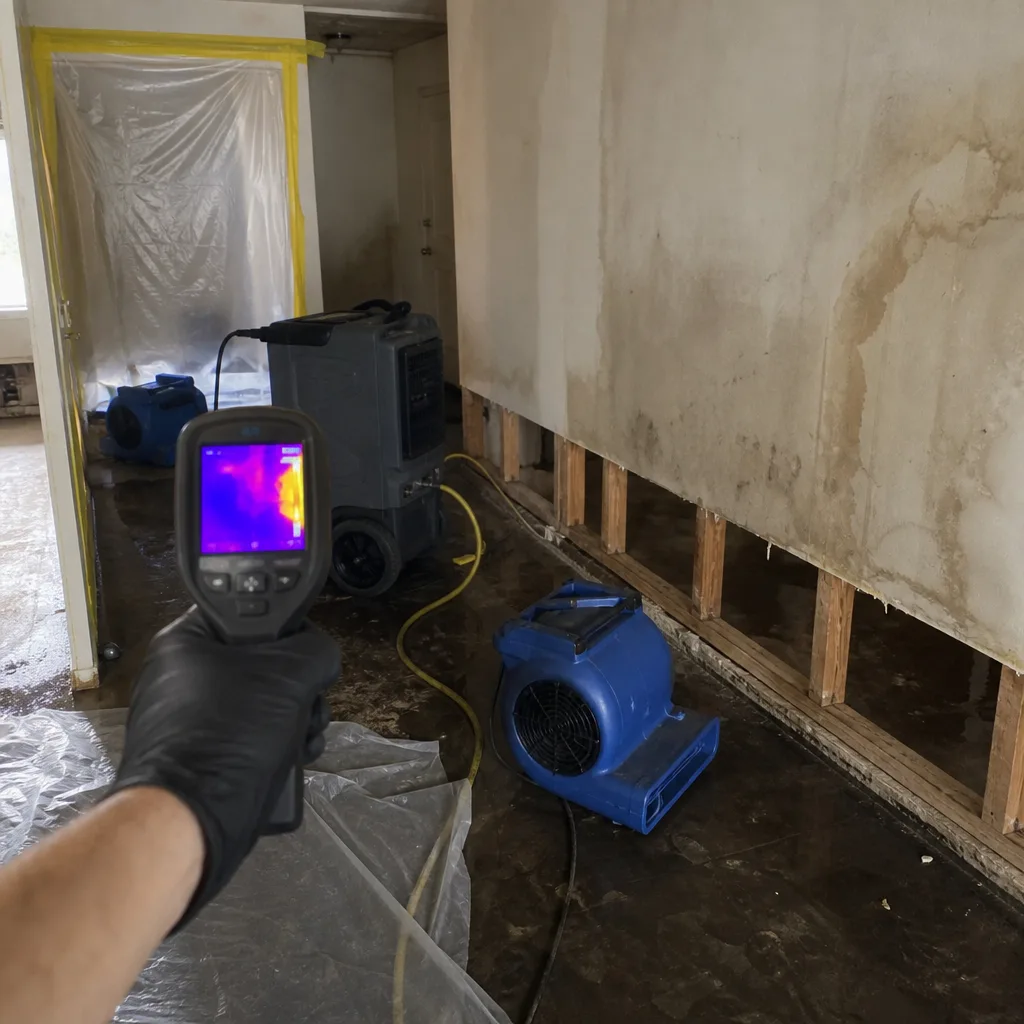 Before
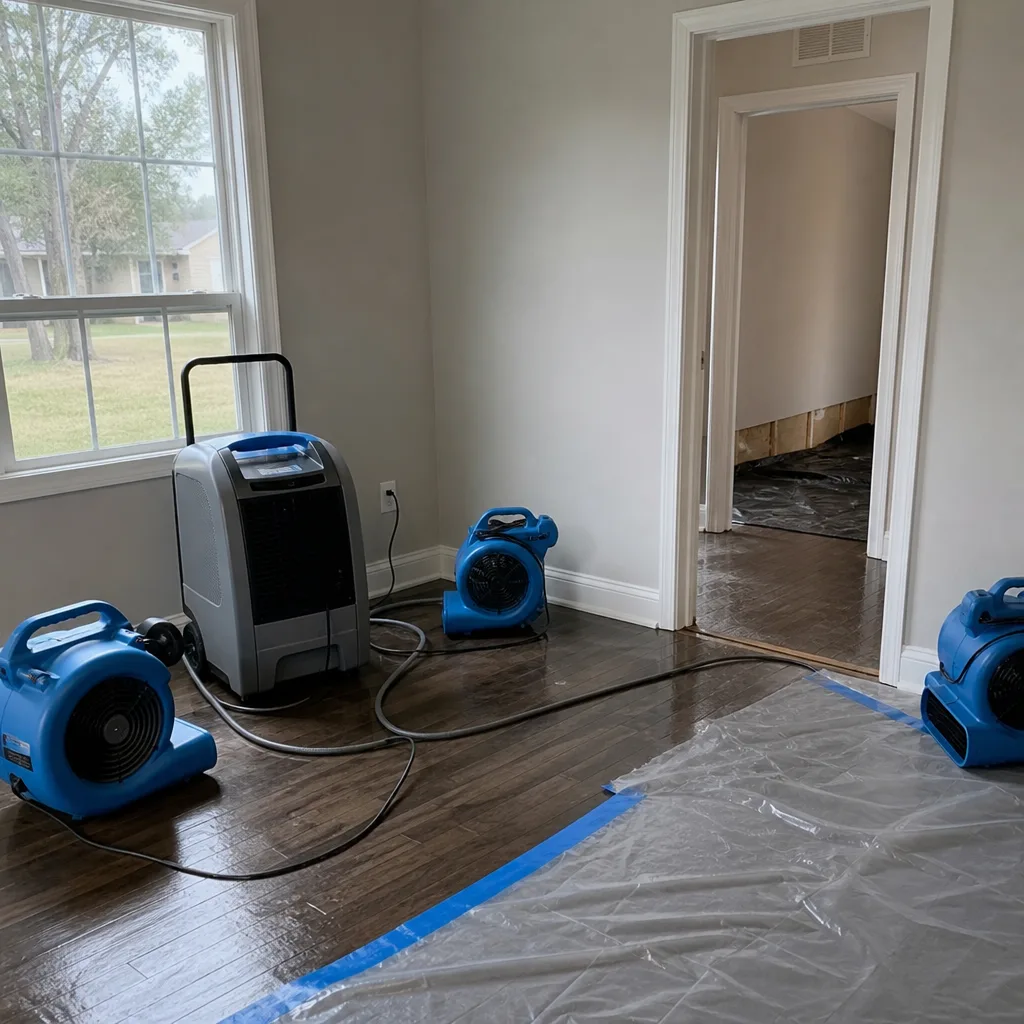 After
After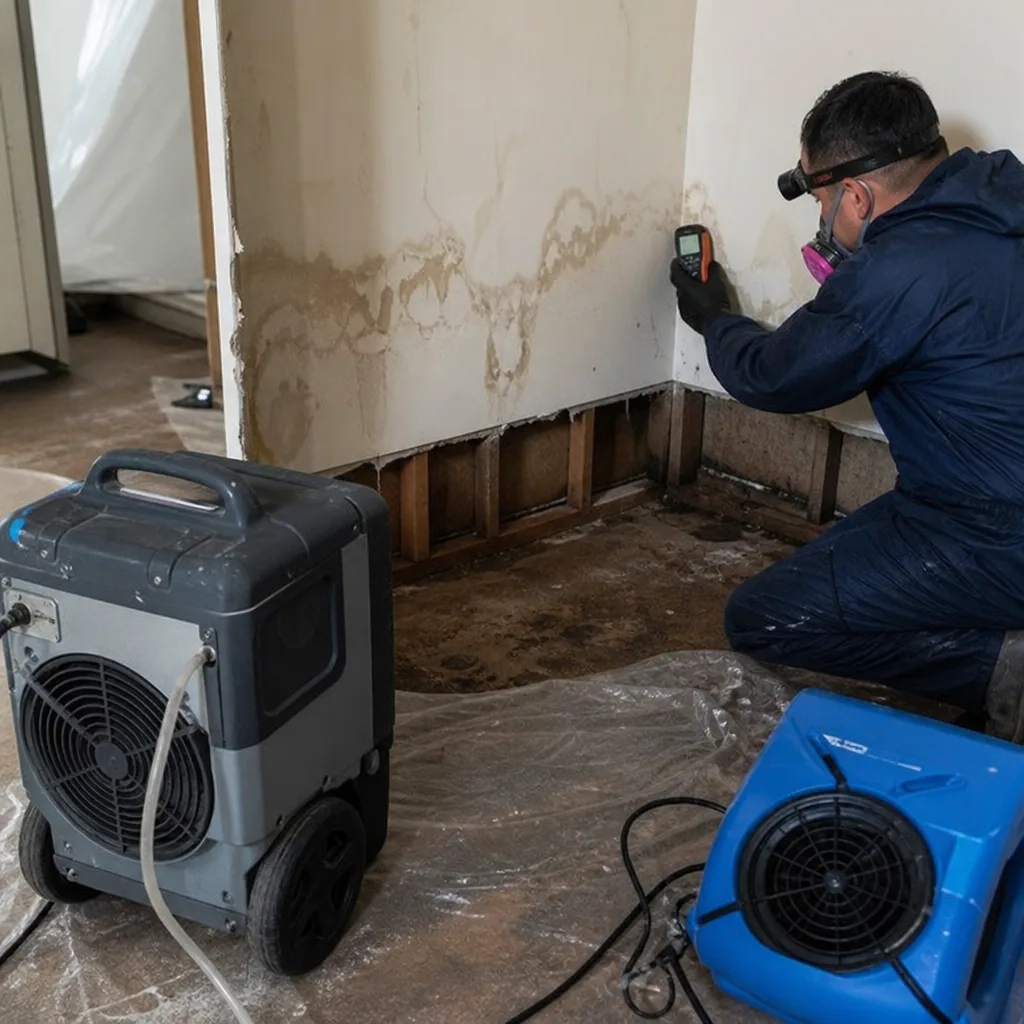 Before
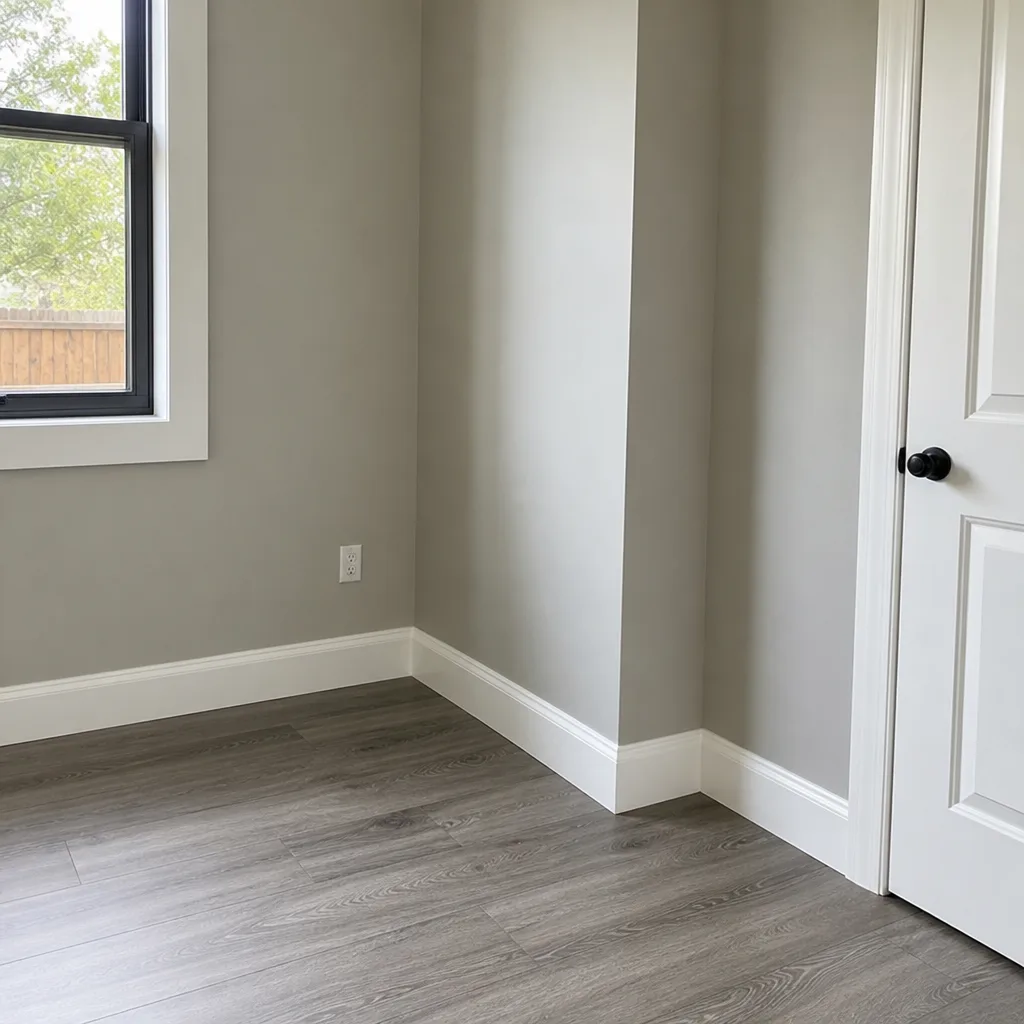 After
After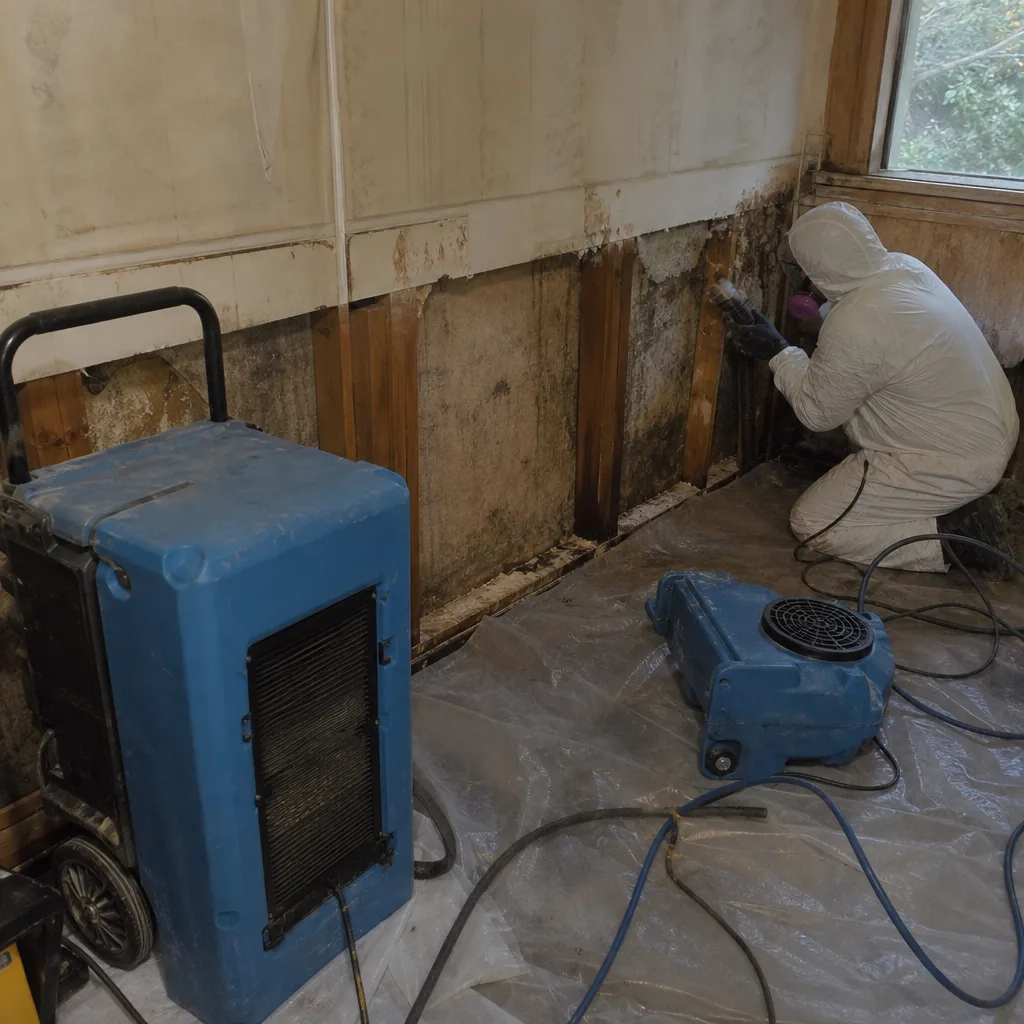 Before
 After
After