
Last updated October 16, 2026
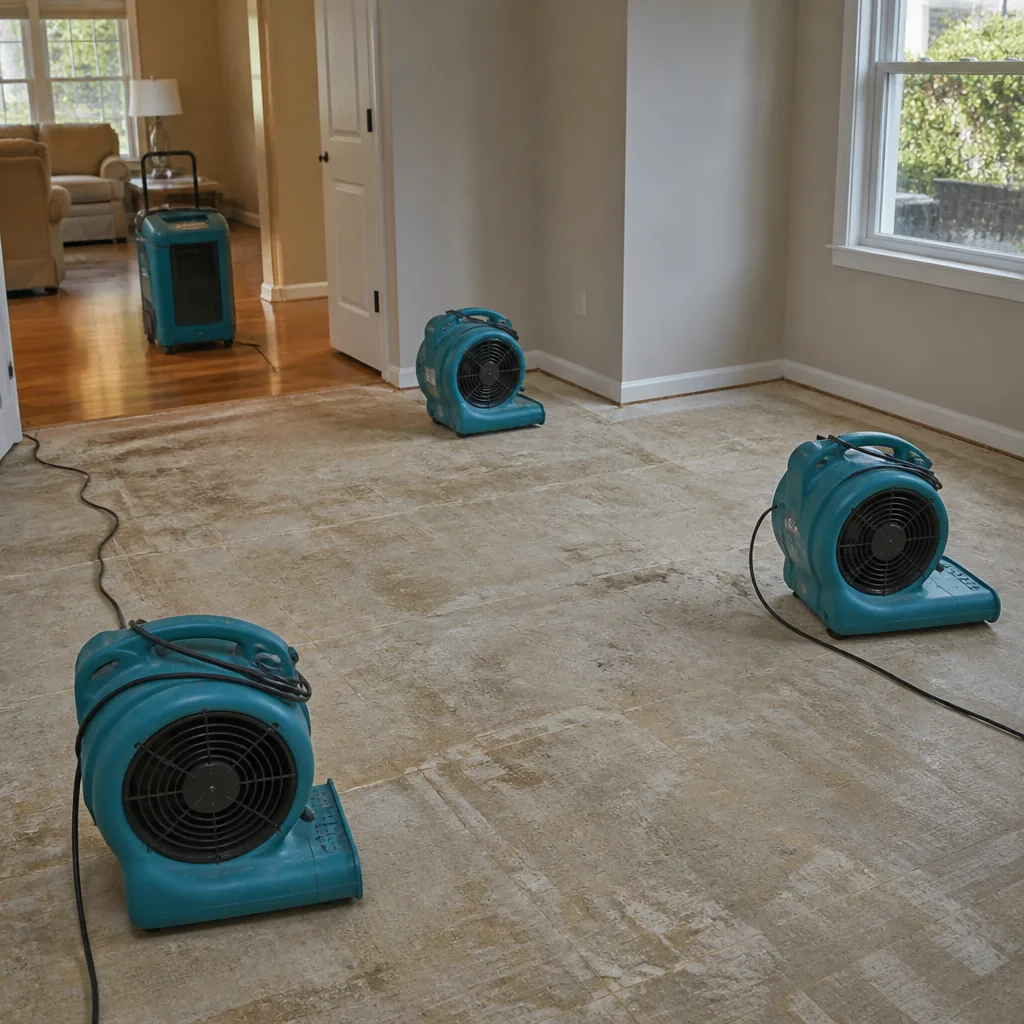 Water damage drying
 Fire & smoke cleanup
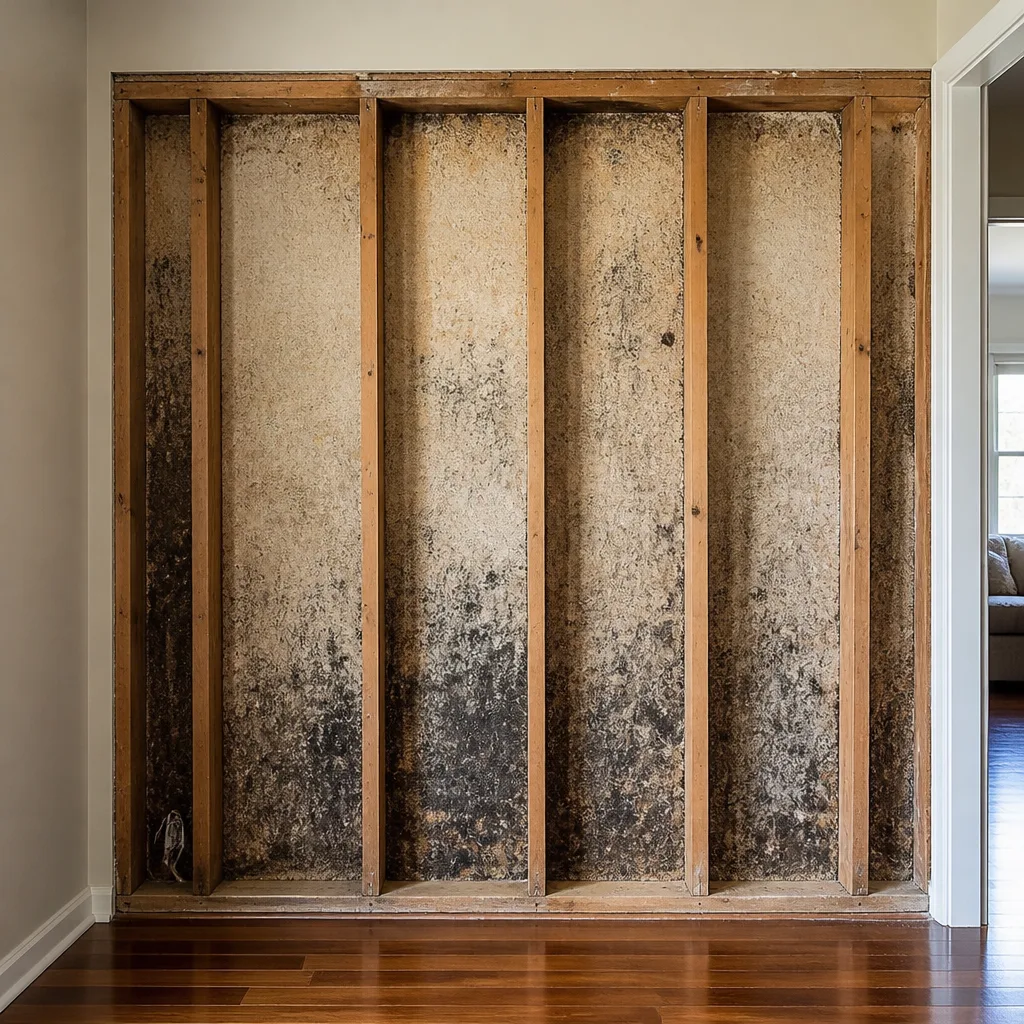 Mold remediation
 Storm response
 Sewage cleanup
 Reconstruction
Free visual inspection and a written scope of work before any mitigation begins - photos, moisture readings, and drying logs go in your claim file
The scope we write is the scope we bill. Anything new gets shown to you, in writing, before we touch it.
Get your free estimateDamage Restoration Warning Signs: A Houston Homeowner’s Reference Guide
Floor cupping in a Houston home is almost never caused by the hardwood itself. It’s caused by differential moisture between the subfloor and the finished surface, which means the visible warning sign is structural, not cosmetic, and the clock is already running. This guide walks you through what restoration professionals actually look for when they walk through a Houston home: the stains that aren’t stains, the odors that aren’t age, and the sounds that aren’t settling. For more guides & resources on protecting your home, see our blog. By the end, you’ll be able to read your home the way we do, and you’ll know exactly which warning signs need a call today versus which ones can wait for the weekend.
Restoration work we handle
Quick Answer
The most common water damage warning signs in a Houston home are paint bubbling on interior walls, baseboards separating from the floor, musty odors that get stronger in specific rooms, floor cupping or buckling, and grout lines cracking in patterns that follow a wall. If you notice any of these, the moisture source is likely still active, and a professional assessment with a moisture meter will tell you whether you’re dealing with an active leak or dried historic damage. Call (325) 423-6800 for a free estimate and a written price before any work begins.
Table of Contents
- Symptom-to-Source: What Each Warning Sign Actually Means
- Three Warning Signs Specific to Houston Slab-on-Grade Homes
- Active Moisture vs. Historic Dried Damage: How to Tell the Difference
- Pet and Child Health Signals That Point to Hidden Moisture
- Who to Call First: Restorer, Plumber, or Public Adjuster
- Room-by-Room Warning Sign Reference
- A 15-Minute Home Inspection Checklist for Houston Homeowners
- Common Mistakes to Avoid
Symptom-to-Source: What Each Warning Sign Actually Means
Most Houston homeowners misread water damage signs because the symptoms present slowly and get mentally filed as “normal house stuff.” A stain on the ceiling gets blamed on an old roof. A musty smell gets blamed on the house being old. Floor cupping gets blamed on Houston humidity. In our experience walking through homes across Houston, the gap between what a homeowner sees and what’s actually happening underneath is where restoration costs multiply. Here’s the translation table we use on every inspection.
Visible Signs and What They Actually Indicate
- Paint bubbling or peeling on an interior wall: This almost always means water is wicking up from below or seeping through from behind. In Houston’s clay-heavy soils, hydrostatic pressure after heavy rain pushes groundwater against slab foundations, and that moisture travels upward through wall cavities. The bubble pattern tells you the direction: bubbles near the baseboard mean rising moisture, bubbles higher up mean a pipe leak in the wall cavity.
- Baseboards separating from the floor or wall: Wood swells when wet. If the gap between baseboard and floor is uneven, or if the baseboard has pulled away from the wall surface, moisture has already saturated the material. In Houston homes, this often appears within 48 to 72 hours of a plumbing event, even a slow one.
- Dark stains that keep returning after repainting: A stain that bleeds through fresh paint within weeks is a moisture stain, not a cosmetic one. The source is still active behind the drywall. Painting over it before the wall cavity dries traps the moisture and accelerates mold growth inside the cavity.
- White, chalky residue on concrete or block (efflorescence): This is dissolved salt left behind after water moves through masonry and evaporates. It appears as a white crystalline powder on garage floors, foundation walls, or brick. Efflorescence means water is traveling through the material. It is not the problem itself; it’s the footprint.
- Floor cupping, buckling, or crowning: Cupping is when board edges rise above the center. Buckling is when boards lift off the subfloor entirely. Crowning is the opposite of cupping, when the center rises. In Houston’s humidity, these are frequently misattributed to weather. But cupping is specifically caused by a moisture differential: the underside of the board is wetter than the top. Weather alone doesn’t do that. A leak or rising slab moisture does.
- Doors or windows that suddenly stick or won’t latch: Wood frames swell when moisture content rises. If a door that closed fine for years suddenly sticks, and you haven’t changed anything, water intrusion near the frame is a common culprit in Houston, especially after a heavy rain season.
- Grout lines cracking in straight lines or stair-step patterns: This is a structural movement indicator. Grout doesn’t flex. When it cracks, the substrate beneath it moved. In Houston, repeated soil expansion and contraction cycles from wet-to-dry periods cause slab movement that cracks tile and grout, which then becomes a pathway for more moisture entry.
Sound and Smell Signs
- A hollow sound when you tap a tile: This means the tile has debonded from the substrate, often from moisture or movement. A well-bonded tile sounds solid. A hollow tile tells you water likely got between the tile and the slab.
- A musty, earthy smell that gets stronger in one room or after rain: This is microbial activity. The odor compounds produced by mold and bacteria are heavier than air, so the smell often gets stronger at floor level or when HVAC airflow is low. If the smell intensifies after rain, the moisture source is weather-related, not plumbing-related.
- A faint hissing or dripping sound inside a wall when no faucet is running: That’s an active leak. Even a pinhole leak in a supply line behind drywall can release hundreds of gallons over a month. If you hear it, shut off the water at the main and call a plumber or restoration professional immediately.
We use moisture meters and thermal imaging to confirm what these symptoms suggest, because the visible sign is rarely the full story. A mold colony can extend two to three feet beyond the visible stain. A moisture stain on a ceiling can originate from a leak ten feet away that traveled along a joist. The symptom tells you to look. The source tells you what to do.
For a deeper look at how we trace water to its source and dry past the tide mark, see our Water Damage Restoration in Houston page.
Three Warning Signs Specific to Houston Slab-on-Grade Homes
Houston’s housing stock is dominated by slab-on-grade construction. That changes how moisture behaves and which warning signs appear first. After years of inspections across Houston, from Oak Forest to Katy to Pearland, we’ve identified three warning signs that appear in slab homes and would not show up the same way in a pier-and-beam house. If you own a slab home, these three belong on your permanent radar.
1. Grout Joint Cracking Patterns That Follow a Wall Line
In a slab home, tile is bonded directly to the concrete slab. When moisture gets under the slab from plumbing leaks, irrigation overspray, or poor drainage, the soil beneath expands. Houston’s clay soil is particularly expansive. That expansion lifts the slab unevenly, and the tile cracks along the stress line. The pattern to look for is a crack that runs in a relatively straight line or stair-step pattern that aligns with a wall or a plumbing run. Random spiderweb cracks are usually just age or settling. A linear crack that follows a wall line often points to a slab leak or a drainage problem at the perimeter of that wall. In a pier-and-beam home, this same leak would show up first as musty odor under the house or soft spots in the floor, not as grout cracking.
2. Baseboard Separation Timing After Rain Events
In pier-and-beam construction, the floor assembly breathes. Air moves through the crawl space, and moisture has somewhere to go. In slab construction, moisture that enters through the foundation or wicks up through the slab is trapped between the slab and the finished flooring. The first visible sign is often baseboard separation. The sequence matters. If baseboards pull away from the floor within 24 to 48 hours after a heavy Houston rain, the moisture is likely coming from drainage issues around the slab, not from a plumbing line inside the wall. If the separation is gradual over months, you’re more likely looking at a slow supply-line leak or sustained high indoor humidity. The timing is diagnostic.
3. HVAC Drain Pan Behavior During Humid Months
Houston’s humidity pushes HVAC systems hard from May through October. A properly functioning system pulls gallons of condensate out of the air every day. That water drains through a line to the exterior or to a pump. When the drain line clogs, or when the pan itself cracks, the water has nowhere to go but onto the ceiling below (for attic units) or into the closet floor (for upstairs units). The warning sign to watch for is water stains on the ceiling below an attic-mounted air handler, or standing water in the emergency drain pan during routine filter changes. In slab homes with second-story units, a leaking pan can damage the ceiling below and the walls. In pier-and-beam homes, the same leak often drips through the floor and is caught earlier by the visible drip. In slab homes, it can travel through the ceiling cavity for days before the drywall shows anything.
If you see any of these three patterns, the next step is a professional moisture assessment. A standard home inspection doesn’t use the same tools. We use thermal imaging cameras that find temperature differences behind walls and under floors, and moisture meters that read the actual moisture content of drywall, wood, and concrete.
Active Moisture vs. Historic Dried Damage: How to Tell the Difference
This distinction matters more than most Houston homeowners realize. Active moisture intrusion means water is still entering the home. Historic dried damage means a leak happened, the area dried out, and what you’re seeing is the leftover footprint. The response, urgency, and cost are different. Treating historic damage as active leads to unnecessary demolition. Treating active damage as historic leads to mold growth inside walls.
Here’s how we tell them apart on a job.
- Moisture meter readings: This is the most reliable test. We take readings on the suspect material and on a known-dry reference area of the same material type. If the suspect area reads significantly higher, the moisture is active. If it reads the same as the reference, the damage is historic. This takes minutes and removes all guesswork.
- Stain ring color and texture: Active water stains are usually darker at the edge and feel damp or cool to the touch. Dried historic stains are lighter, often have a yellow or tan tint, and feel dry. But Houston’s humidity can make dried stains feel slightly tacky, which is why we don’t rely on touch alone.
- Odor response to airflow: Active moisture produces a musty odor that intensifies when air moves across the area, like when a fan runs or the HVAC kicks on. Historic dried damage may retain a faint odor, but it doesn’t change with airflow. If the smell gets stronger when you turn on the bathroom fan or open a closet door, that suggests active moisture nearby.
- Efflorescence recency: Efflorescence is the white salt deposit left by evaporating water. Fresh efflorescence is powdery and loose. Old efflorescence is crusty and adheres tightly to the surface. Fresh means water is still moving through. Old means the water stopped.
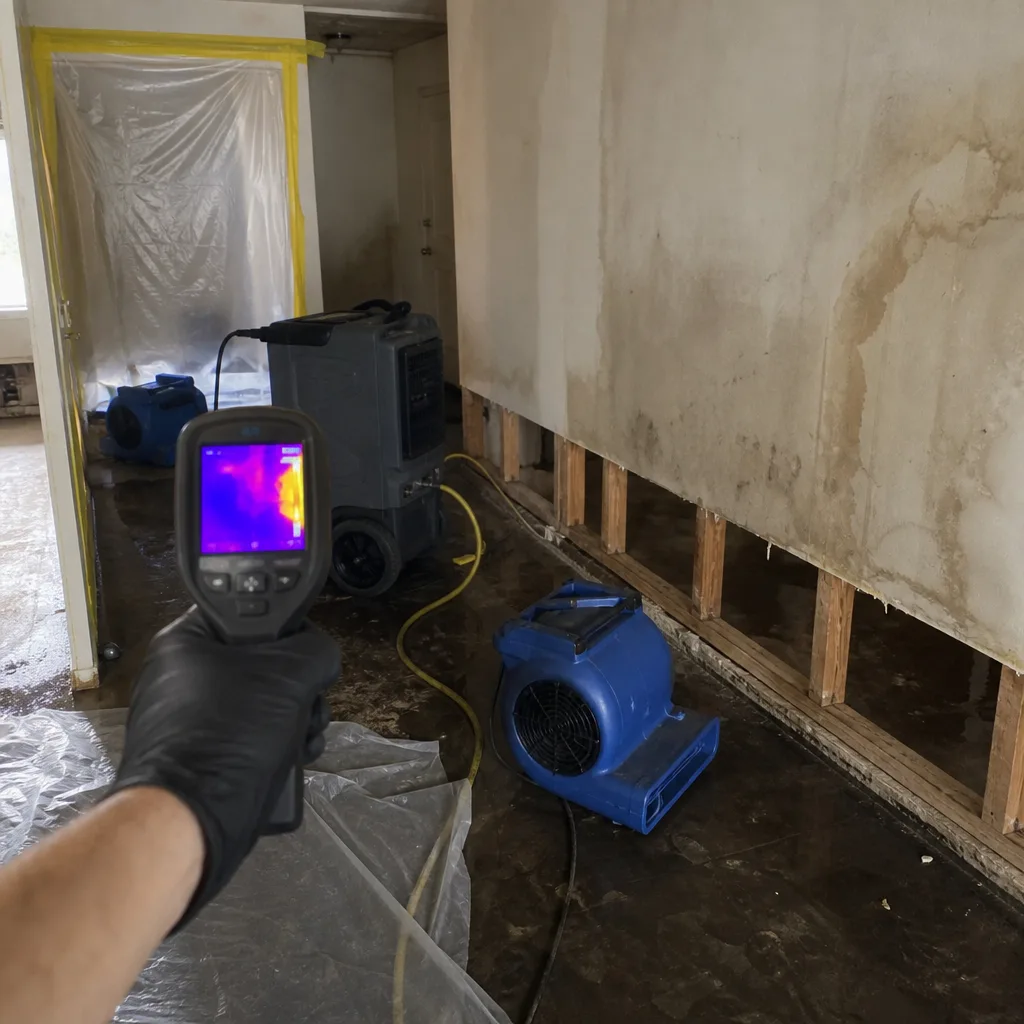
- Temperature difference on thermal imaging: Water is a thermal mass. An active wet area behind a wall or under a floor shows up on a thermal camera as a cooler or warmer zone, depending on surrounding conditions. Historic dried damage shows no thermal signature. This is why we carry thermal cameras as standard equipment.
The practical implication: if you bought a Houston home and the inspection flagged “previous water damage” or “evidence of prior leak,” don’t assume it’s resolved. Ask for a moisture meter check on the flagged areas. If the seller can’t provide one, get your own. A moisture meter reading takes five minutes and tells you whether you’re buying a dry house with a history, or an active leak with a fresh coat of paint.
The team at Tidemark Water Damage Houston home includes IICRC-credentialed technicians who perform this exact assessment on every job we walk. We show you the meter readings, explain what they mean, and give you a written scope before any work starts.
Pet and Child Health Signals That Point to Hidden Moisture
Kids and pets are the canaries in the coal mine for hidden moisture problems. They spend more time close to the floor, they breathe faster per pound of body weight, and their immune systems are still developing. When a Houston home has a hidden mold problem, the first symptoms often show up in the children and the pets, not in the adults.
The pattern to watch for is correlation, not any single symptom. Allergies can come from many sources. But when symptoms correlate to specific rooms, specific seasons, or specific weather events, moisture-related mold is a strong possibility.
Signs That Point to Hidden Moisture
- A child whose congestion or sneezing gets worse in one specific room: This is a location correlation. Mold-released spores concentrate near the source. If your child’s symptoms spike in one bedroom or the playroom but clear up after being outside for an hour, check that room’s walls, windows, and baseboards for moisture signs.
- A pet that sneezes, scratches excessively, or gets recurrent ear infections with no clear cause: Dogs and cats live at floor level, where mold spore concentrations are highest. If your vet has ruled out food allergies and seasonal allergies, and your pet’s symptoms are constant rather than seasonal, moisture-related mold is a candidate, especially if symptoms improve when the pet stays elsewhere.
- Symptoms that spike during Houston’s rainy months, May through September: Houston’s humid season pushes indoor humidity up, which reactivates dormant mold colonies and accelerates growth. If allergies spike every summer regardless of pollen counts, look at the indoor humidity and any areas where moisture could be accumulating.
- A child with asthma whose symptoms are worse at night or in the morning: Nighttime and early morning are when HVAC systems run less and indoor air stagnates. Mold spore concentrations build up overnight. If morning symptoms are better after the family leaves for school and work, the trigger is likely in the home.
- Persistent cough or wheeze in a toddler that pediatricians can’t fully explain: Some mold species common in water-damaged homes, particularly Stachybotrys and Aspergillus, release mycotoxins that irritate developing respiratory systems. We’re not doctors, and we don’t diagnose. What we do is inspect homes for the moisture problems that allow these molds to grow, using professional-grade equipment and IICRC standards.
When we work in homes with children and pets, we choose pet-safe drying agents where there is a choice, and we run lower-decibel equipment settings during school hours and nap time. The restoration should not make the problem worse or make the home unlivable while we fix it. That’s part of the C.A.R.E. standard we work to: clean up like it’s our own home, ask before we move or touch anything, respect the family’s time and quiet hours, explain the price before the work.
If any of these health signals are present alongside any visible moisture sign from the symptom table above, call for a professional assessment. Mold can be present behind walls with zero visible indication. Our Mold Remediation in Houston page explains the full process we follow to find it and remove it safely.
Who to Call First: Restorer, Plumber, or Public Adjuster
The order of your calls matters more than most Houston homeowners realize. Calling the wrong professional first can delay your insurance timeline, void coverage requirements, or leave the moisture source active while the damage worsens. Here’s the decision framework we recommend, based on the calls we take every week from Houston homeowners.
Call a Plumber First When:
- You hear running water or hissing inside a wall, and there’s no faucet on.
- A water heater is leaking from the tank or fittings.
- Water is coming up through the slab or flowing from under a fixture.
- The source is clearly a supply line, drain line, or appliance connection that’s actively leaking.
In these cases, stop the source first. Shut off the water at the main or at the fixture shutoff valve. Then call a licensed plumber. Once the source is stopped, call us for the water extraction and drying. Plumbers fix the pipe. We dry the structure. The two jobs are different and need different credentials.
Call a Restoration Professional First When:
- Water has already spread across flooring, soaked into drywall, or traveled through a ceiling.
- Musty odor is present alongside any visible moisture sign.
- There’s standing water and the source appears to have stopped or slowed, but the water remains.
- You’re seeing paint bubbling, baseboard separation, or floor cupping with no obvious leak source.
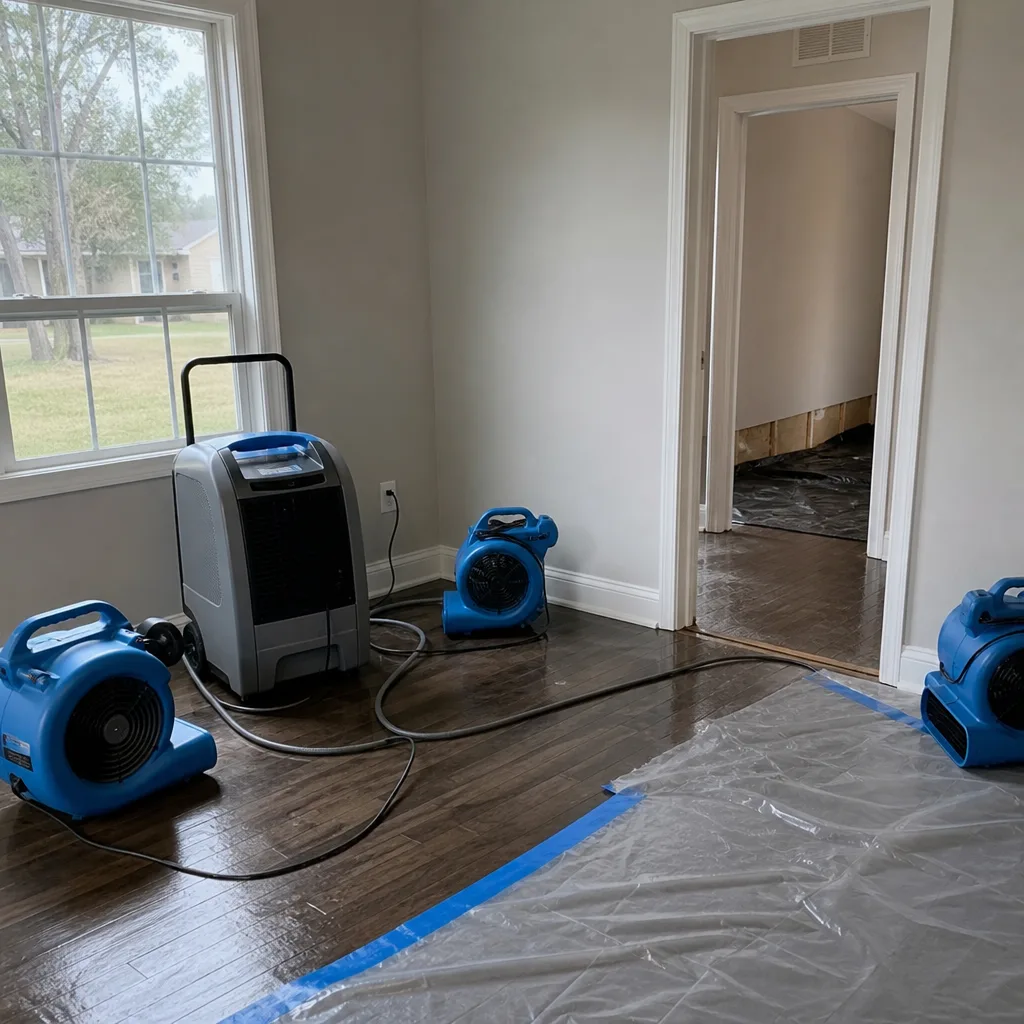
We arrive with the extraction and drying equipment already loaded. We document the damage with photos before and after, we map the moisture with meters and thermal cameras, and we set up professional-grade drying equipment from Dri-Eaz, Phoenix, XPOWER, B-Air, and Injectidry to dry past the tide mark, not just to it. Every job gets a written price before work begins.
Call Your Insurance Company and a Public Adjuster When:
- The damage is extensive, involving multiple rooms or structural elements.
- The insurance company’s first offer seems low or the scope feels incomplete.
- You’re unsure whether the policy covers the type of water involved (supply line breaks are often covered, flood events usually are not, unless you carry separate flood insurance).
- You need someone advocating for a full and fair settlement while you focus on your family.
The sequence matters for insurance. Insurance policies typically require homeowners to mitigate further damage, meaning you can’t just wait for an adjuster to show up. You’re expected to stop the source and begin drying. That’s called the “duty to mitigate.” A restoration professional can get the drying started same-day while the insurance conversation unfolds. A public adjuster works on your behalf to get the settlement right. Calling the restorer first doesn’t complicate the claim. Letting the damage spread while you wait for the adjuster does.
We photograph everything before we start, during the process, and after the clean-up. We share those photos with you before the crew leaves. Our documentation is built to be shared with insurance, with adjusters, and with public adjusters. If your policy sends an adjuster out, we’ll walk the scope with them.
Room-by-Room Warning Sign Reference
Each room in a Houston home has its own moisture failure patterns based on what’s in the walls, what’s under the floor, and how the room is used. This section is a reference you can come back to whenever you notice something off.
Kitchens
- Watch for: Discoloration on cabinet bottoms under the sink, soft or swollen toe kicks, tile grout efflorescence, a garbage disposal that seems to leak intermittently, a dishwasher that leaves a small puddle after every cycle, and loose laminate countertop seams.
- What it usually means: Under-sink supply lines are among the most common leak sources in any home, and Houston’s hard water accelerates seal and gasket wear. A slow drip that collects in the cabinet base can go unnoticed for months. The toe kick is the first wood to swell because it sits lowest.
- What to do: Empty the cabinet, run your hand along the cabinet floor and back wall for moisture, check for a bowed or swollen cabinet bottom panel, and turn on the faucet while watching the supply connections with a flashlight. If anything feels damp, call us before the cabinet base fails and the floor underneath gets saturated.
Bathrooms
- Watch for: Stained or sagging drywall below the bathroom on the lower floor ceiling, loose or hollow-sounding floor tile around the toilet, a toilet that rocks slightly when you sit, persistent condensation on the tank, and mildew in the grout lines that keeps coming back after cleaning.
- What it usually means: Toilet wax rings fail gradually. Every flush releases a small amount of water between the toilet and the flange. On a slab, that water spreads across the concrete and under the tile. In a second-story bathroom, it saturates the subfloor and shows up as a ceiling stain below. A rocking toilet accelerates wax ring failure.
- What to do: Sit on the toilet and feel for any movement. Look at the ceiling below the bathroom. Check for walls that feel soft at the base around the tub and shower surround. If a floor tile sounds hollow when tapped, the substrate is likely compromised. These are all signs to call for a moisture check.
Laundry Rooms
- Watch for: A washing machine that vibrates more than it used to, a drain line that occasionally backs up, drying time that has noticeably increased, and a damp smell near the dryer vent.
- What it usually means: Washing machine supply hoses are under pressure 24/7, not just during use. A small crack in a rubber hose can produce a steady low-flow leak that runs along the floor. A clogged dryer vent traps moisture in the wall cavity and can saturate drywall over time. Increased drying time is often a vent obstruction, not a machine failure.
- What to do: Pull the washer out slightly and inspect the hoses and connections. Check the wall behind the machines for any staining or bubbling. Run your hand along the dryer vent hose for any dampness or lint escape. If the vent exits through the attic, check the attic path for moisture marks on the insulation.
Garages and Exterior Walls
- Watch for: Efflorescence on the garage floor or foundation walls, water beading on the concrete after rain, sprinkler heads that spray onto the exterior wall or into the weep screed, and soil that slopes toward the house instead of away.
- What it usually means: Houston’s rainy season exposes drainage problems quickly. Sprinkler overspray is a consistent, year-round moisture source against slab edges and exterior walls. Poor grading directs roof runoff toward the foundation instead of away. All of this saturates the soil around the slab, and that moisture eventually moves inward.
- What to do: Walk the exterior perimeter after the next heavy rain. Look for standing water within five feet of the foundation. Check the sprinkler pattern and adjust any heads that hit the house. If you see efflorescence or a water line on the garage slab, the moisture is already moving through the concrete.
Attics
- Watch for: Dark streaks or stains on the underside of the roof decking, rust on nail heads poking through the decking, insulation that appears matted or compressed in one area, and a musty smell when you open the attic access.
- What it usually means: Roof leaks, HVAC condensation issues, and bathroom exhaust fans vented into the attic instead of through the roof are the three classics in Houston. Rusted nail heads mean the decking has been wet repeatedly. Matted insulation means water pooled on it. A bathroom fan venting into the attic pumps humid air into a space that should stay dry.
- What to do: Take a flashlight up once a quarter, if access allows. Look at the underside of the roof decking, especially around penetrations like vents and chimneys. Follow the HVAC condensate line and check the emergency pan. If you see any of these signs, call a professional before the decking rots or mold colonizes the attic.
Windows and Door Frames
- Watch for: Caulk that’s cracked or pulling away from the frame, drywall that’s soft or discolored at the window corners, a window that fogs up between the panes, and exterior door thresholds that allow water in during heavy rain.
- What it usually means: Window flashing failures are common in Houston, especially on west-facing walls that take the brunt of wind-driven rain. Failed seals show up as between-pane fog. Door thresholds that were never properly flashed let water under the door and into the subfloor, which is why you’ll see discoloration spreading inward from the threshold.
- What to do: After a heavy rain, run your hand along the interior window sills and the floor edge by exterior doors. If anything feels damp or looks swollen, moisture is getting in. Recaulking is a temporary fix. The proper repair is to expose the flashing and correct the installation.
A 15-Minute Home Inspection Checklist for Houston Homeowners
You don’t need professional equipment to spot the warning signs. This checklist takes about 15 minutes per floor and covers the areas where moisture most commonly enters a Houston home. If you find two or more items, schedule a professional moisture assessment.
- Walk every room and look at the ceiling corners. Ceiling corners are where roof leaks and attic condensation show up first. Look for any discoloration, slow-spreading stains, or paint that looks slightly darker than the surrounding area.
- Run your hand along the baseboards at floor level. You’re feeling for dampness, but also for swelling, softness, or areas where the baseboard has pulled away from the wall. Check the baseboard in every room that shares a wall with a bathroom or kitchen.
- Tap shower and tub surround tiles with the handle of a screwdriver. Hollow sounds mean the tile has debonded, usually from moisture behind the wall. Solid sounds are what you want. Do the same on bathroom floor tiles.
- Open every cabinet under every sink and smell. A damp, musty smell in an enclosed cabinet is a strong indicator of a slow leak. Run your hand across the cabinet floor and the back panel.
- Check the water heater. Look for rust on the tank, water around the base, or a drain pan that holds water. A water heater at 10 years or older in Houston is on borrowed time, especially with our mineral-heavy water.
- Look at the exterior walls from outside. Check for sprinkler heads hitting the house, soil that slopes toward the foundation, and any caulking or flashing that looks cracked or pulled away.
- Open the attic access, if you have one, and take a look with a flashlight. Check the roof decking for stains, the insulation for matting, and the HVAC pan for standing water. Listen for any running water.
- Sit in each room for 30 seconds and breathe through your nose. Your nose is a legitimate moisture detection tool. A room that smells faintly earthy, damp, or “old” even after cleaning likely has moisture somewhere nearby.
If this checklist turns up two or more warning signs, call (325) 423-6800. We’ll send a team with professional moisture meters, thermal cameras, and the experience to tell you exactly what’s happening and what needs to be done about it. The estimate is free, the price is written before any work starts, and our 365-Day Done Right Promise stands behind every job.
Common Mistakes to Avoid
- Painting over a stain before finding the source. Paint seals the surface but traps the moisture inside the wall cavity. The stain will return, and by then, the mold growth will be more extensive. Find the source, dry the cavity, then paint.
- Assuming Houston humidity explains everything. Houston is humid, yes. But persistent musty odors, floor cupping, and paint bubbling are not weather. They’re moisture intrusion. Humidity accelerates the damage, but it doesn’t cause those signs on its own.
- Running a box fan on a wet floor and calling it dried. Box fans move air across the surface. That’s not structural drying. Professional drying uses high-volume air movers and dehumidifiers to pull moisture from inside the drywall, wood, and concrete. Surface drying leaves the hidden moisture in place, and that’s where mold grows.
- Waiting for the insurance adjuster before starting mitigation. Your policy requires you to mitigate further damage. Letting water sit while you wait for the adjuster can create a coverage gap if the insurance company argues you allowed additional damage to occur. Call the restoration professional first, get the drying started, and document everything.
- Ignoring a slow leak because it’s “just a drip.” A pinhole leak in a supply line behind a Houston kitchen cabinet can release a gallon an hour. That’s 24 gallons a day, 720 gallons a month. Behind a wall with no visible outlet, all of it stays in the structure. No drip is small when it’s inside a wall cavity.
- Using bleach to “kill” visible mold. Bleach removes the stain on the surface but doesn’t kill mold roots that have penetrated porous materials like drywall and wood. The mold colony continues growing underneath. Proper remediation requires removing affected materials and treating the area to professional standards.
- Trusting a home inspector’s visual-only assessment for moisture. Home inspectors are generalists who mostly work visually. They don’t carry professional moisture meters or thermal cameras on most inspections. If a home inspection flagged past water damage, get a moisture specialist to verify the current condition before you close.
When to Call a Professional
Call a restoration professional when you see any two warning signs together, or any single sign that’s clearly getting worse. A stain that’s spreading, a smell that’s strengthening, a floor that’s developing new cupping this month: these are active problems that won’t resolve on their own. Call when you find moisture in a location you can’t access, like inside a wall cavity, under a slab, or above a ceiling. Call when health symptoms in your children or pets correlate with specific rooms. Call when you’re not sure whether the damage is historic or active, because guessing wrong costs either an unnecessary demolition or a missed mold problem. Tidemark Water Damage Houston offers free estimates in Houston, call (325) 423-6800, and we’ll bring the meters, the cameras, and the experience to give you a straight answer and a written price before any work begins.
Frequently Asked Questions
Water damage is localized; humidity is diffuse. Humidity problems show up as uniform condensation on windows, slightly damp-feeling air throughout the house, and no specific stain or odor pattern. Water damage shows up as a specific stain in a specific ceiling corner, a musty smell concentrated in one room, floor cupping in one hallway, or paint bubbling on one wall. If the sign has a location, it’s water damage. If it’s everywhere, it may be a humidity or ventilation problem, which is still worth addressing because sustained high indoor humidity can eventually create water-damage conditions. Call (325) 423-6800 and we can tell you which problem you have.
For a small spill that was caught within hours and only affected a hard surface, yes, a household fan and a homeowner-grade dehumidifier may be adequate. For anything that soaked into drywall, wood flooring, carpet padding, or a wall cavity, no. Structural drying requires professional equipment that moves air at high volume and pulls moisture from inside materials, not just off the surface. We use Dri-Eaz, Phoenix, and XPOWER air movers and dehumidifiers, plus specialized equipment like Injectidry systems for wall cavities and under-floor drying. The price is written before we start, so you’ll know exactly what it costs.
Most standard homeowner’s policies cover sudden and accidental water damage from inside the home, like a burst supply line, an overflowing tub, or a water heater failure. They typically do not cover flooding from outside the home, which requires separate flood insurance, and they may limit or exclude coverage for slow, ongoing leaks that were not addressed promptly. Every policy is different, which is why photo documentation and a clear written scope matter. We photograph everything before, during, and after the job, and we’ll walk the scope with your adjuster if you want us to.
Our phones are answered by a live person 24 hours a day, 7 days a week, not a voicemail or callback queue. We can usually have a crew dispatched to a Houston address the same day you call, often within hours. Water extraction begins as soon as we arrive. In Houston’s climate, the first 24 to 48 hours are the critical window before mold growth can begin, so we prioritize emergency response. Call (325) 423-6800 and a person will answer.
That depends entirely on where the water went and what materials are affected. If the water intrusion was caught quickly and only affected tile or concrete surfaces with no penetration into drywall or wood, a thorough professional cleaning may be sufficient. If water entered wall cavities, soaked carpet or wood flooring, or there’s any visible mold growth, the affected porous materials typically need removal and replacement. Mold grows inside drywall and wood, not just on the surface. A written scope with moisture meter readings tells you exactly what’s needed before we start, so you’re never paying for remediation you don’t need.
We work with insurance adjusters directly. We provide the photo documentation, the moisture maps, the drying logs, and the written scope they need to process your claim. You don’t have to be the middleman. If you’ve hired a public adjuster to advocate for your settlement, we’ll coordinate with them too. The important thing is that the documentation is complete from day one, because claims get harder to prove the longer the work is delayed. Call (325) 423-6800 and we’ll walk you through the process.
The
See the difference
 Before
 After
After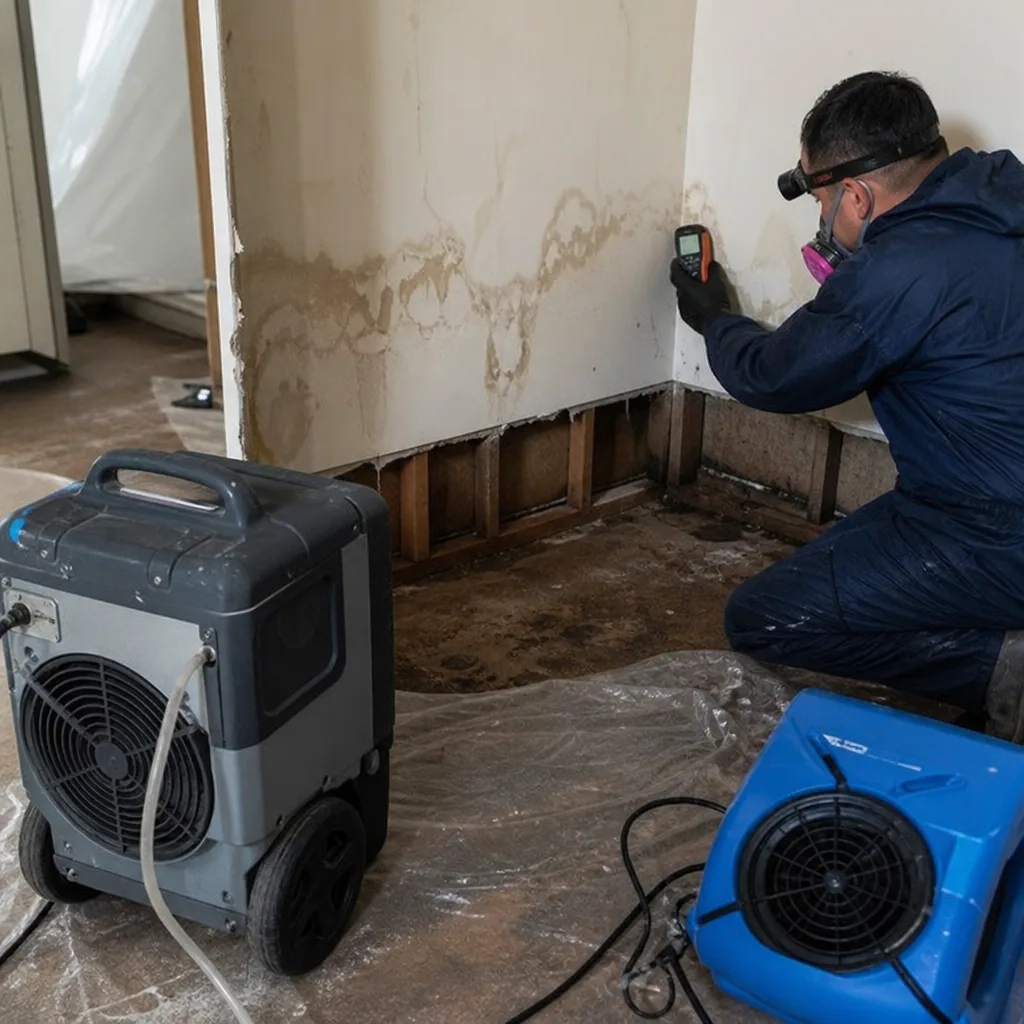 Before
 After
After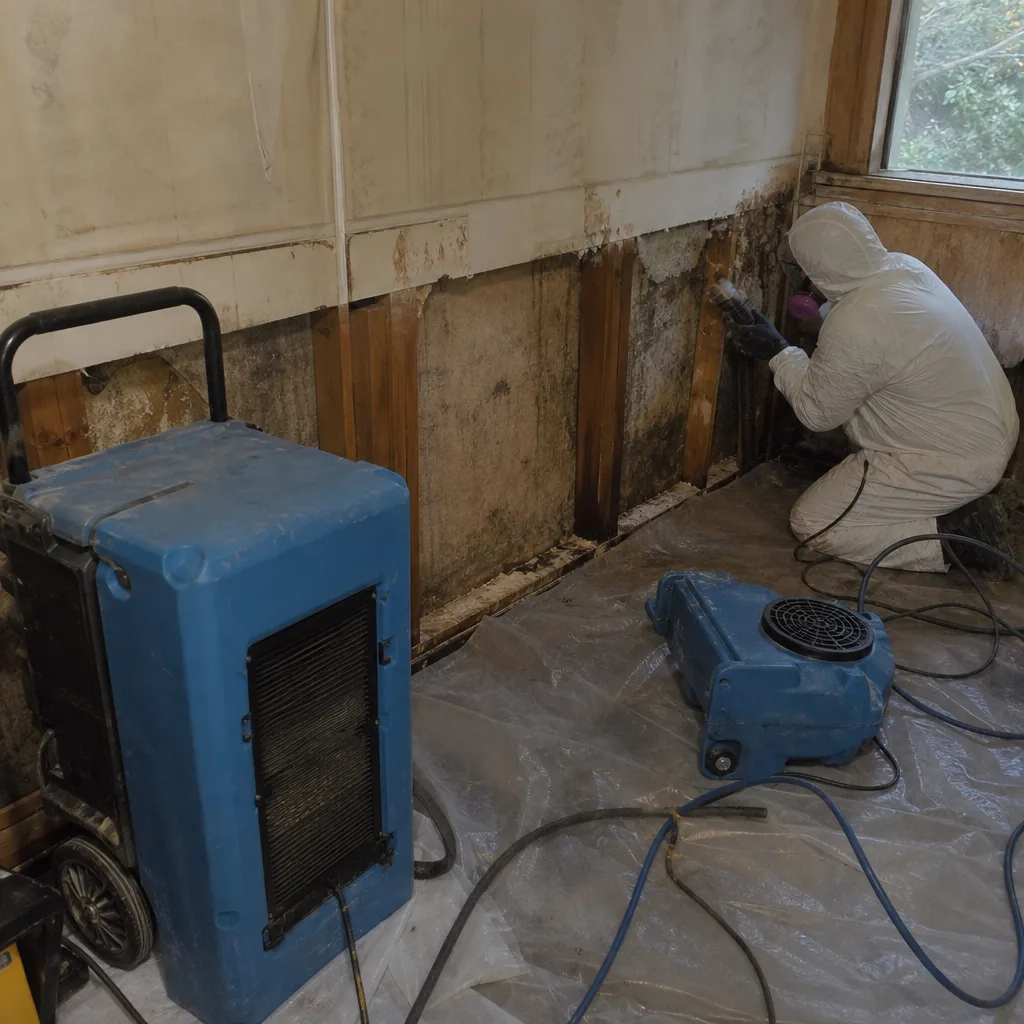 Before
 After
After