
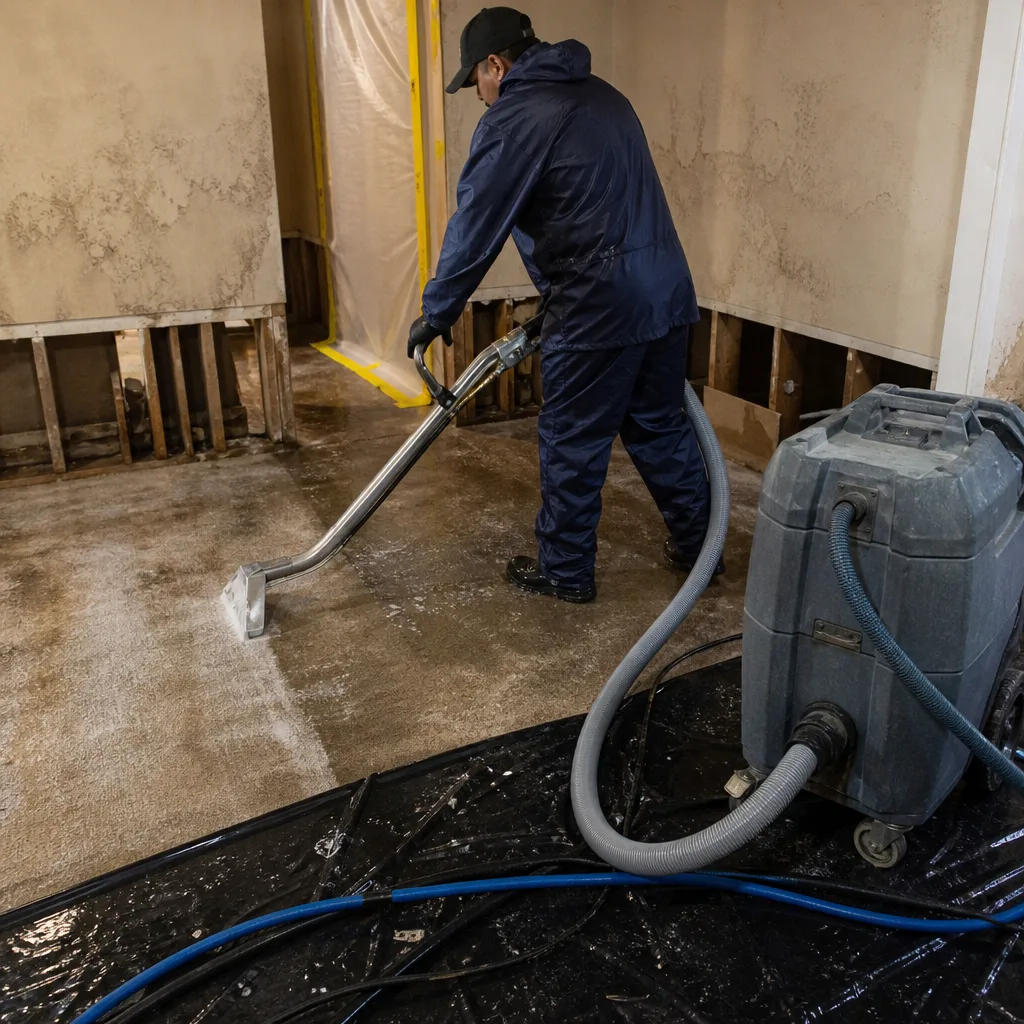
 Water damage drying
 Fire & smoke cleanup
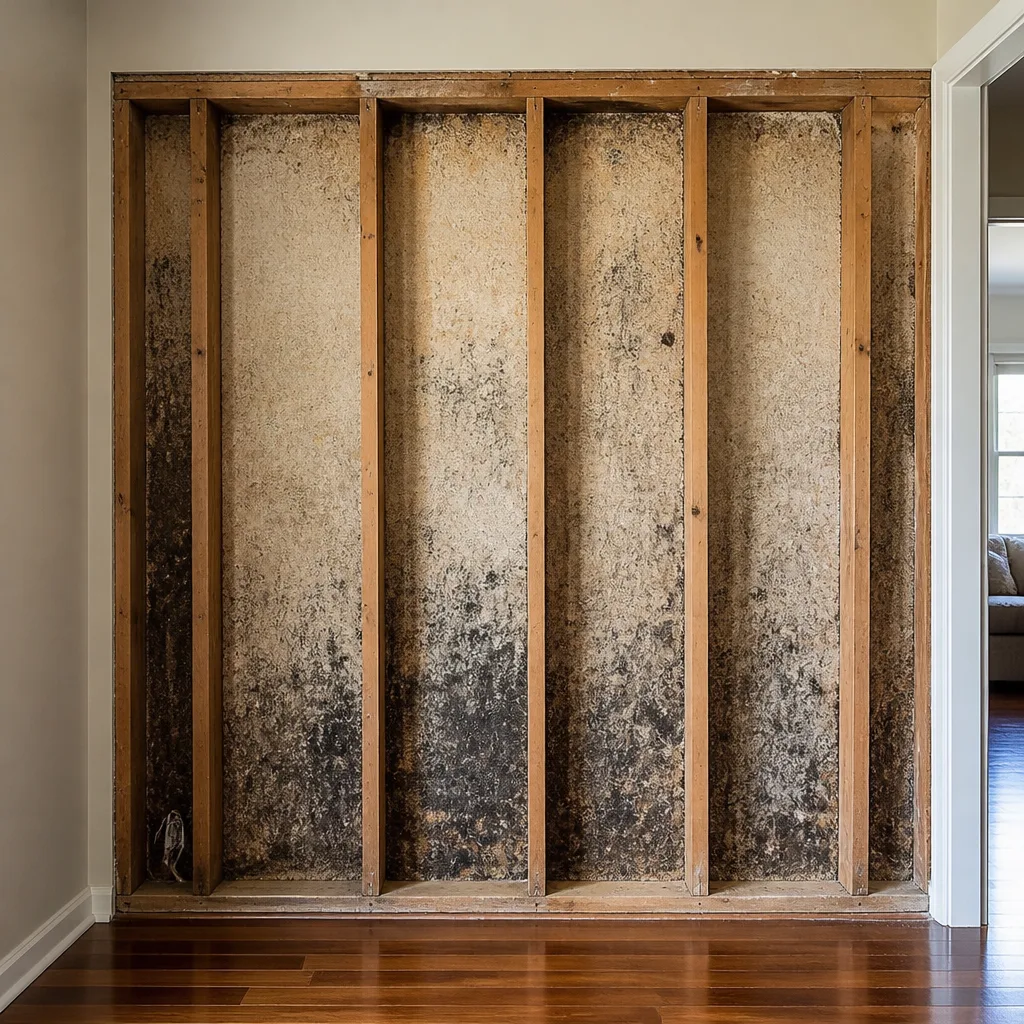 Mold remediation
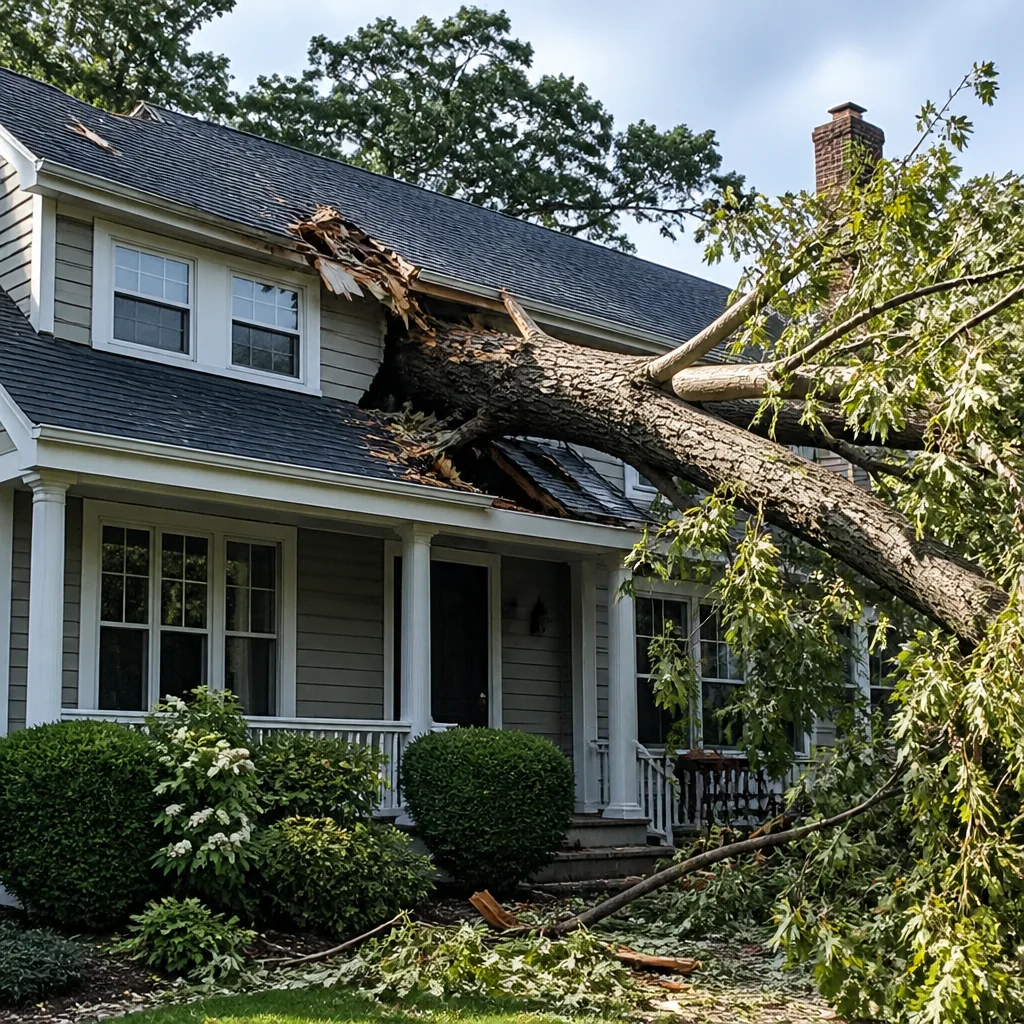 Storm response
 Sewage cleanup
 Reconstruction
Free visual inspection and a written scope of work before any mitigation begins - photos, moisture readings, and drying logs go in your claim file
The scope we write is the scope we bill. Anything new gets shown to you, in writing, before we touch it.
Get your free estimateRestoration work we handle
See the difference
 Before
 After
After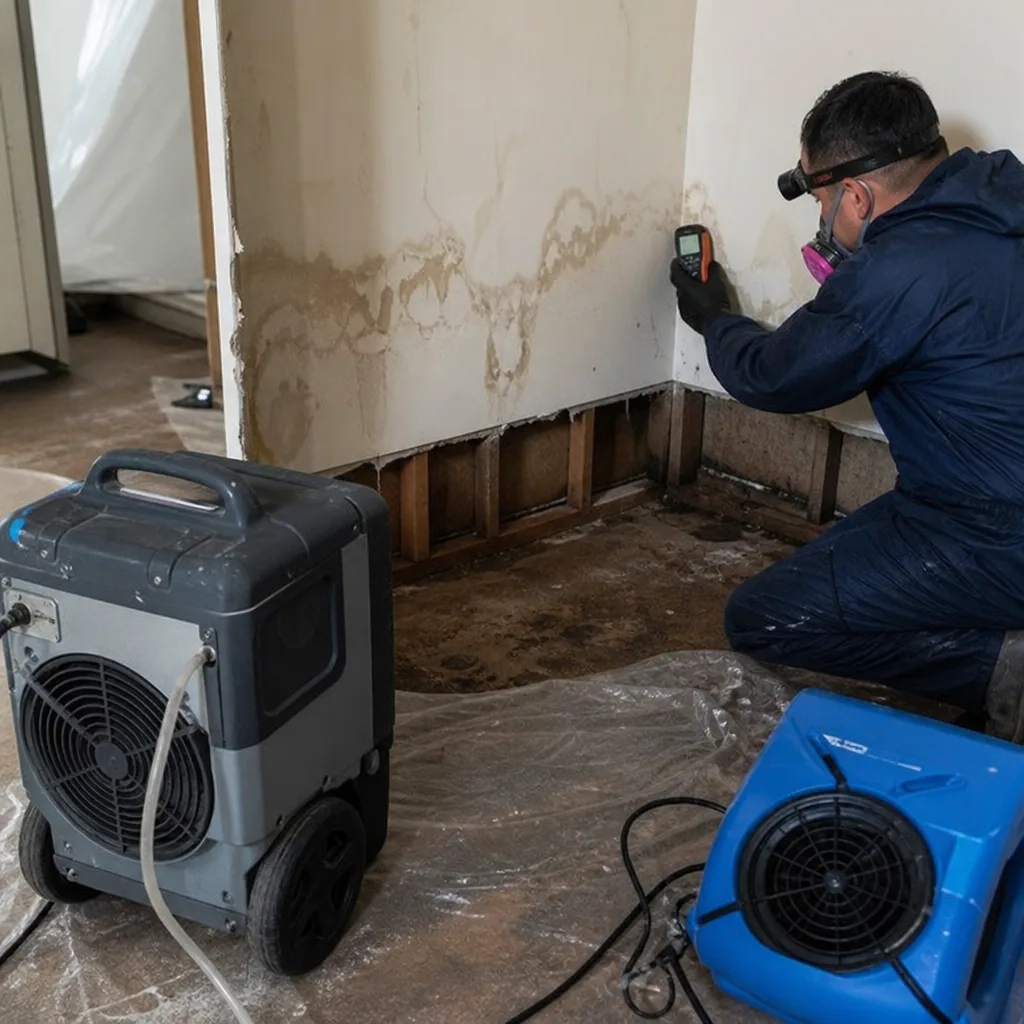 Before
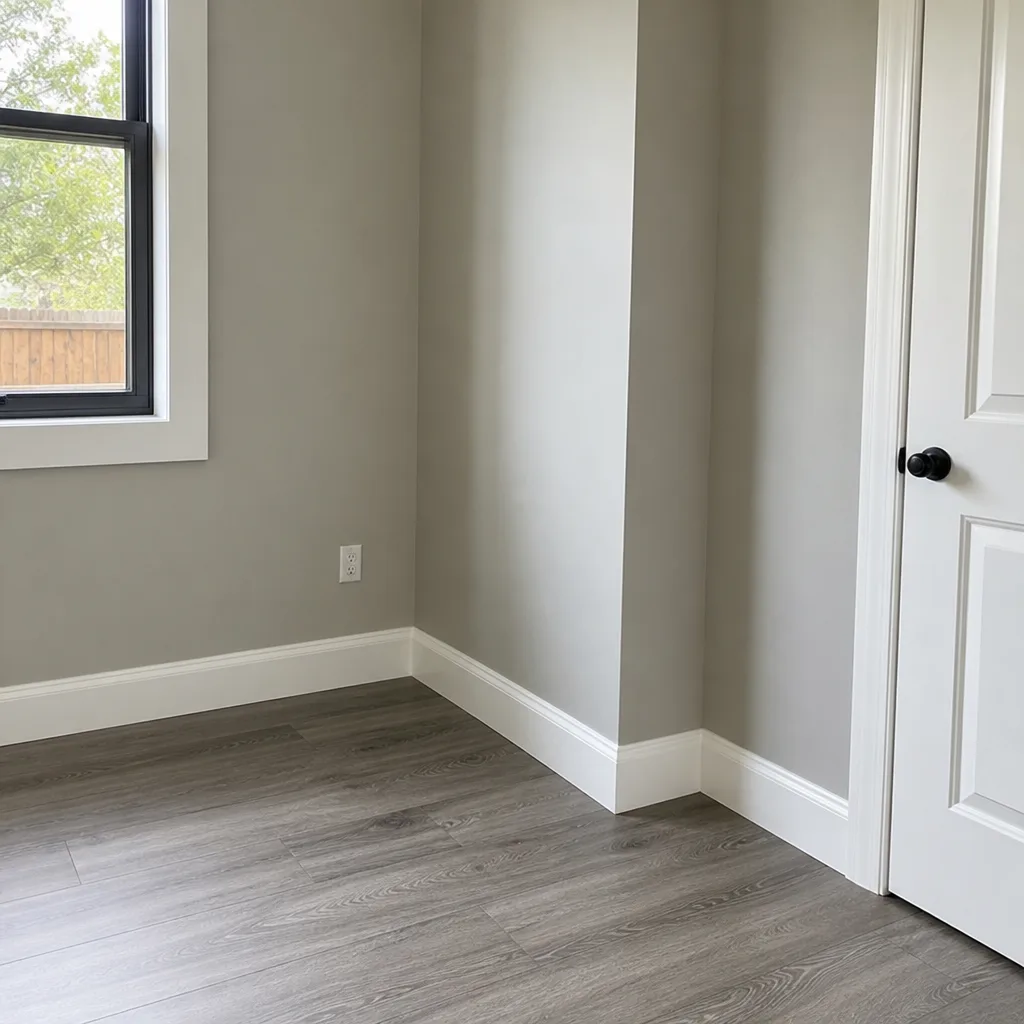 After
After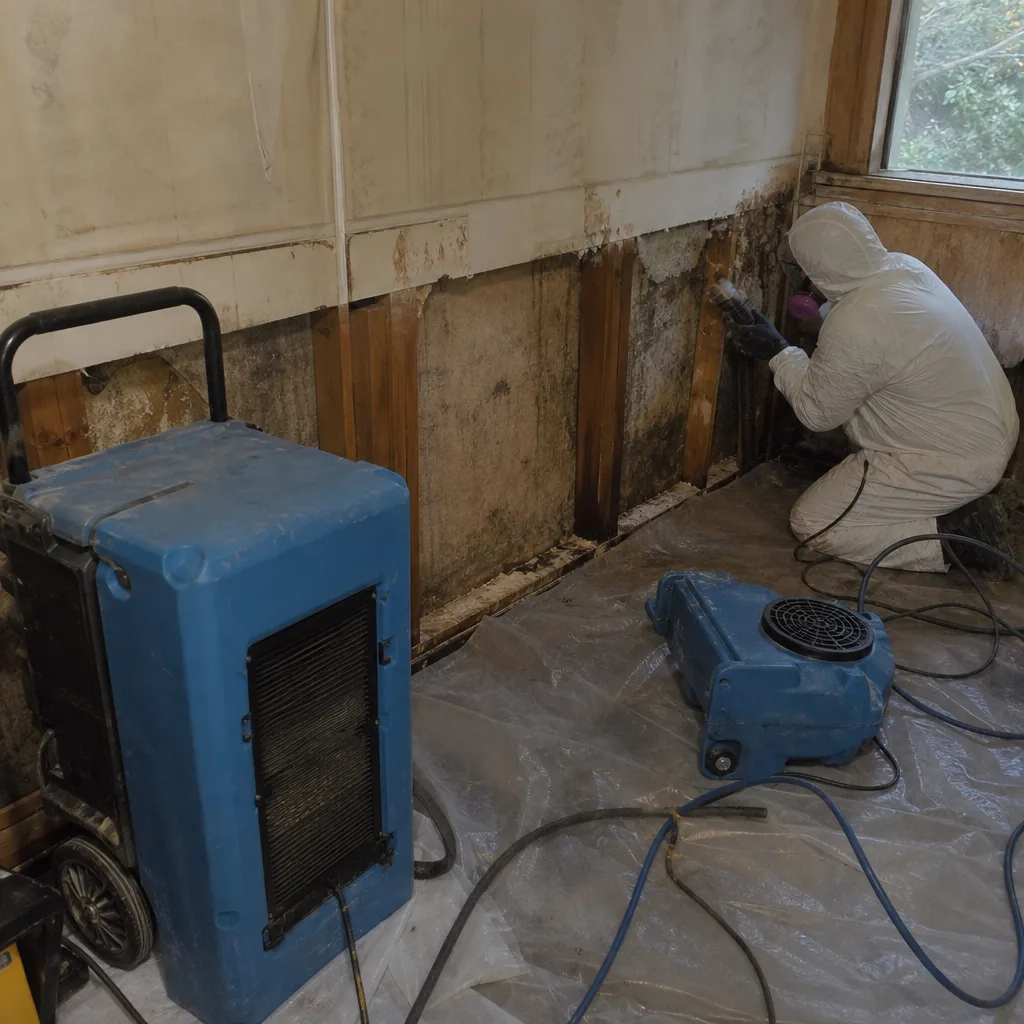 Before
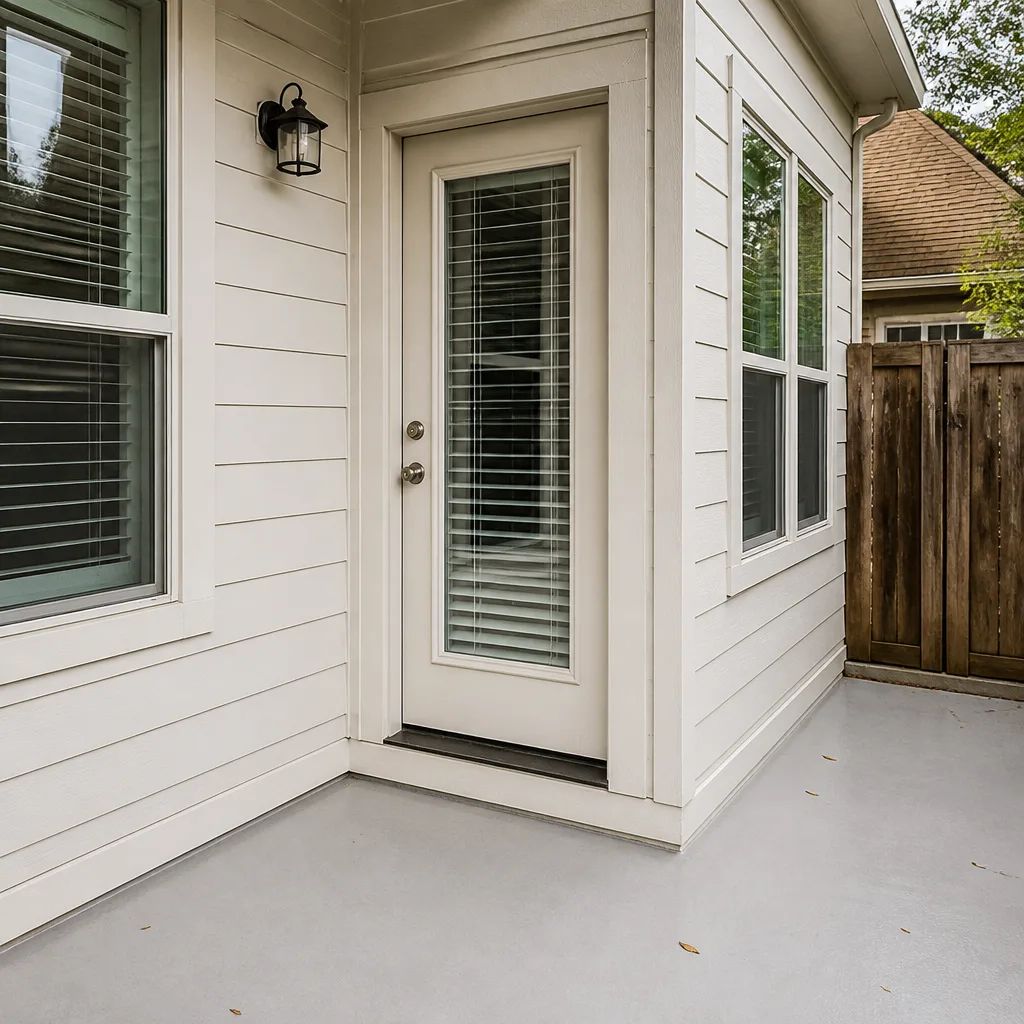 After
AfterStructural Drying & Dehumidification in Houston, TX
Structural drying and dehumidification removes moisture trapped inside walls, subfloors, and framing after a water event, so the building dries thoroughly and safely instead of hiding water where it can cause warping, odor, and mold behind finished surfaces. In Houston, where humidity routinely sits above 70 percent, this step is not optional after any real flood or leak. Our Water Damage Restoration in Houston crews set professional-grade dehumidifiers and air movers sized to the square footage and the materials affected, then we monitor moisture levels daily until readings confirm the structure is dry, not just the surface.
At home with Tidemark Water Damage Houston, the approach is simple: find where the water traveled, dry past it, and show you the numbers before we leave. Rick Sumner and our IICRC-credentialed technicians do not guess at dryness. We measure it. If you are standing in a house that took on water, call (325) 423-6800 and a live person answers, day or night.
When You Need Structural Drying & Dehumidification
You may not always see the water that is still in your home. Here are the situations where structural drying is the right call:
- Water sat for more than 24 hours before cleanup began. Houston heat accelerates absorption into drywall, baseboards, and subfloor. Once water has had a full day to wick upward, surface extraction alone will not finish the job.
- Drywall feels cool or damp to the touch, or baseboards show a faint tide mark. A tide mark is the line water leaves on a wall. It is the first thing our technicians look for on every job, because it tells us exactly how high moisture climbed.
- Hardwood or laminate flooring is cupping, crowning, or squeaking in new places. Wood moves when it absorbs water. If planks are lifting at the edges days after a leak, moisture is still working underneath.
- You smell a musty odor that lingers after cleanup. In Houston’s climate, damp building materials start smelling within 48 to 72 hours. That odor means moisture is still present somewhere you cannot see.
- A pipe burst inside a wall cavity or ceiling. Water trapped between studs and drywall will not air-dry on its own in any reasonable timeframe, especially during humid months.
- Your home flooded from a storm, appliance overflow, or AC condensate backup. Even clean water wicks into porous materials fast. The drying plan matters as much as the extraction.
Our Structural Drying & Dehumidification Process
We walk you through each step before we start, and we check in as readings change. Here is how a typical structural drying job goes:
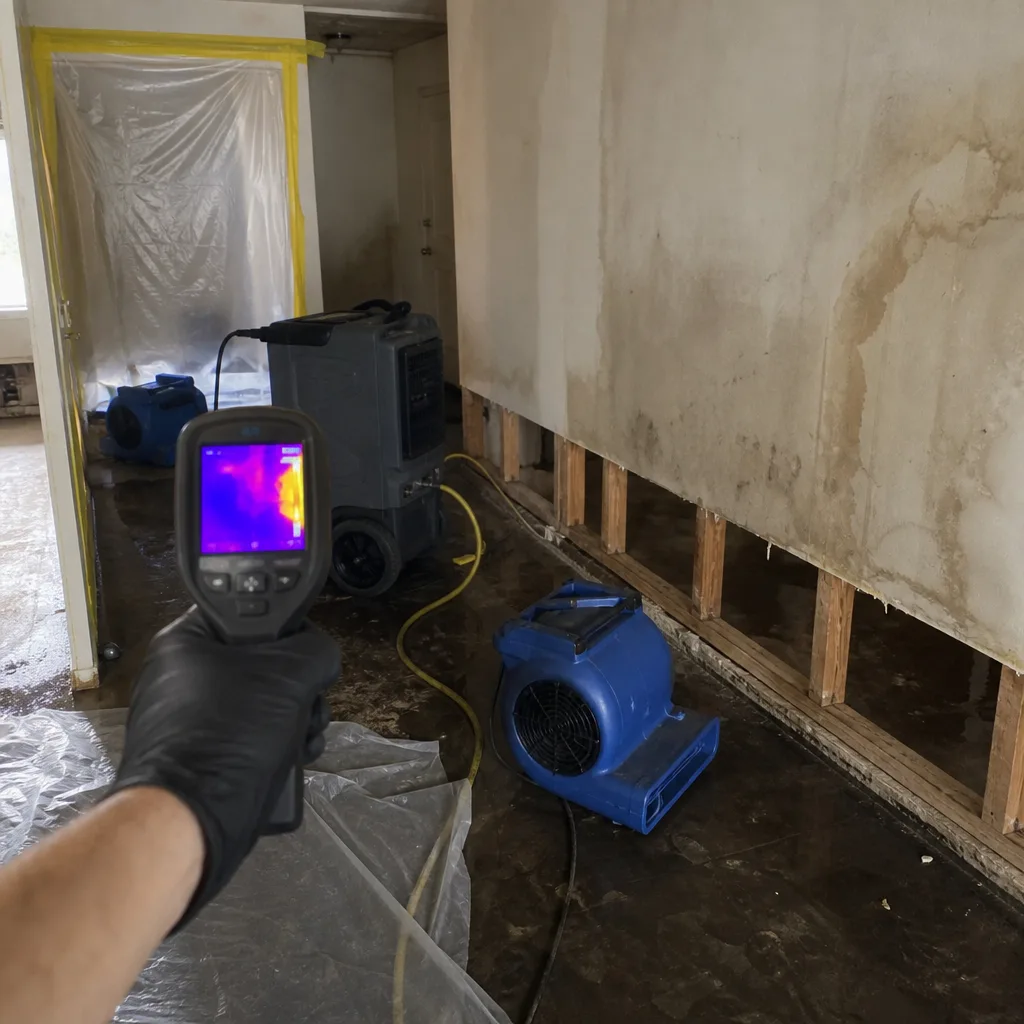
- We map the tide mark. Using moisture meters and infrared cameras, we find how far water traveled through walls, flooring, and framing. The equipment gets placed based on that map, not on guesswork.
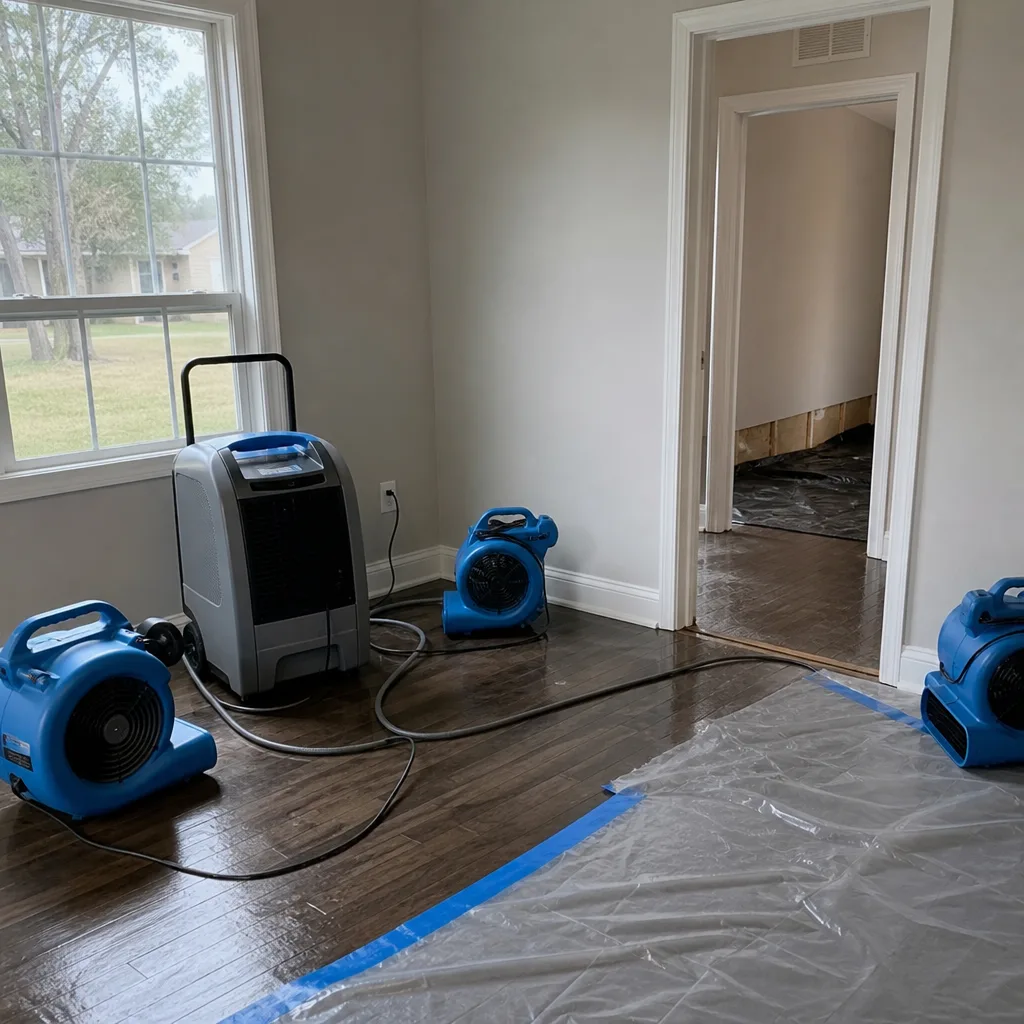
- We protect your home before equipment comes in. Shoe covers go on at the door. Drop cloths cover the floors before the first machine rolls through. We name what will be protected and how, before anything gets moved.
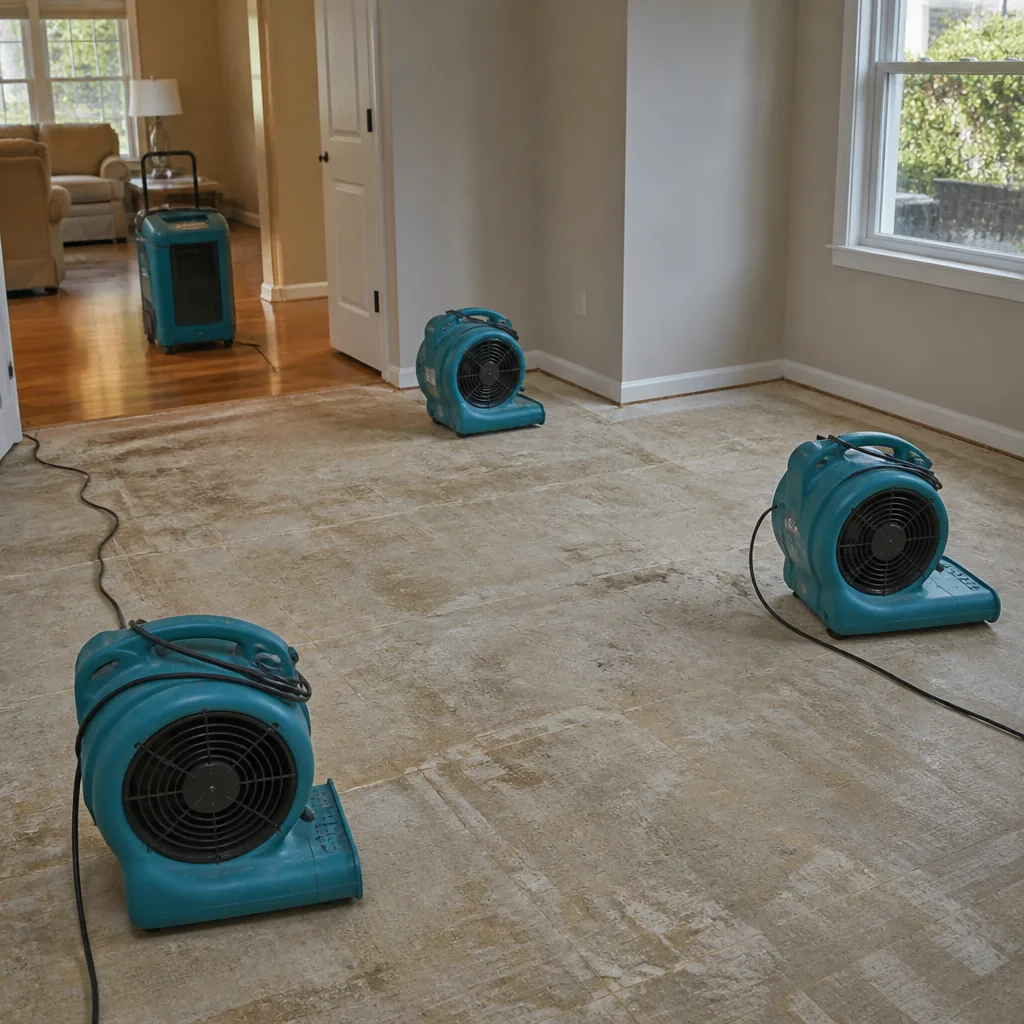
- We set the drying system. Professional dehumidifiers, air movers, and in some cases Injectidry floor-drying mats are placed to push dry air across wet surfaces and pull moisture out of the air, day and night.
- We monitor daily. A technician returns to take moisture readings from the same spots each day and adjusts the equipment layout as areas dry down. You see the numbers trending, not just our word for it.
- We confirm the structure is dry, then remove the equipment. We do not pull machines based on a calendar. We pull them when readings match the dry standard for your materials. Then we clean up like it is our own home and share a photo of the cleaned space before we leave.
Structural Drying & Dehumidification Pricing in Houston
Most water damage restoration costs in Houston for structural drying run between $1,200 and $4,500 depending on square footage affected, how long the water sat, and whether wall cavities or subfloors need direct access. A single-room drying job with one dehumidifier and a few air movers often lands in the $1,200 to $1,800 range, while whole-home drying after a slab leak or storm intrusion can reach $4,500 or more when multiple rooms and floor systems are involved.
What affects the price:
- How many rooms and materials are wet. More square footage means more dehumidifiers and air movers, and more days of monitoring.
- Whether drywall or flooring needs to be opened. Sometimes we need to drill small drying holes or remove baseboards to get airflow into wall cavities. That labor is part of the quote.
- How long the water sat. Saturated materials take longer to dry and may need additional equipment rounds, which adds days of power and monitoring.
- Equipment type. Some jobs call for Injectidry mats on hardwood or specialty B-Air and XPOWER units for tight spaces. Each has different operating costs built into your written estimate.
Before any work starts, you see the written price. No surprises on the final invoice, no add-ons after the fact. Call (325) 423-6800 for a free estimate and we will tell you exactly what your drying plan includes.
FAQs – Structural Drying & Dehumidification
How long does structural drying take in Houston?
Most structural drying jobs in Houston take 3 to 5 days to complete, though larger or longer-saturated homes can take 7 days or more. The humidity in Houston means dehumidifiers work harder here than in drier climates, so daily monitoring matters. We give you a realistic timeline after our first moisture assessment, and you get updates as readings drop.
Can I just use fans and open windows to dry my house?
Fans and open windows move air across surfaces but do not pull moisture from inside wall cavities, subfloors, or framing. In Houston’s humid air, open windows often add moisture to the home rather than removing it. Professional dehumidifiers remove gallons of water from the air each day, and our moisture meters confirm when building materials are actually dry. Call (325) 423-6800 and we will tell you honestly whether your situation needs professional water damage restoration or can be managed another way.
Is structural drying covered by homeowners insurance?
Structural drying is typically covered under the water damage portion of a standard homeowners policy when the cause of the water is a covered peril, like a burst pipe or appliance failure. Flood damage from rising water is usually excluded unless you carry a separate flood policy. We document moisture readings and equipment placement daily, which gives your adjuster clear evidence of the drying work performed.
How do I know my walls are actually dry?
Moisture meters measure the moisture content inside building materials, not just on the surface. Our technicians take baseline readings when we start, then return daily to measure the same locations until each material reaches its dry standard. You can look at the trend line with us, and we explain the numbers in plain language. A dry wall feels dry to the touch, but a meter tells you what is happening inside it.
Will the drying equipment be loud or disruptive?
Dehumidifiers and air movers do make sound, but we work with your household routine. We use lower-decibel settings during school hours and nap time where possible, and we place equipment away from bedrooms when the layout allows. We ask before we move or touch anything, and we respect your family’s quiet hours throughout the drying period.
Is it cheaper to repair or replace wet drywall?
It is usually cheaper to dry and repair wet drywall than to replace it, as long as the drywall is structurally sound and has not been saturated long enough to lose integrity or support mold growth. Replacement costs include demolition, disposal, new material, and labor. Our technicians assess each wall section individually and recommend drying when it is safe and cost-effective, and replacement when it is not. Call (325) 423-6800 for an honest read on your walls.
Why Houston Homes Need a Different Drying Standard
Houston’s climate changes the math on structural drying. When outdoor humidity stays high for weeks at a time, evaporation slows and moisture can linger inside building materials far longer than in drier regions. Homes in neighborhoods like Meyerland, Kingwood, and Clear Lake deal with both seasonal storms and older plumbing, which means basement water removal and drying needs arise more often than homeowners expect. The drying plan has to account for ambient humidity, not just the water event itself.
Our technicians size equipment to the moisture load and the air volume of the space, then adjust daily as conditions change. We use professional-grade equipment from Dri-Eaz, XPOWER, B-Air, and Injectidry, the same machines used by leading restoration specialists. The goal is not just a dry surface. It is a structure that stays dry after the equipment leaves, with no hidden moisture to show up later as warping, odor, or mold.
We are independently owned and operated, working to the Cedarwell Care Promise. That means a written price before any work starts, pet-safe drying agents where there is a choice, and a 365-Day Done Right Promise that stands behind the job long after the crew has left. If the drying is not done right, we make it right. It is a simple promise, and it changes how we run every job.
Get a Written Estimate for Structural Drying in Houston
If water has found its way into your walls, floors, or framing, call Tidemark for water damage restoration near me in Houston, TX at (325) 423-6800. A live person answers, any hour, and we will schedule a moisture assessment at a time that works for your household. You will see the written price before anyone picks up a tool, and you will know exactly what we plan to protect and how. That is the only way we work.
Written by Rick Sumner, Owner at Tidemark Water Damage Houston, serving Houston.