
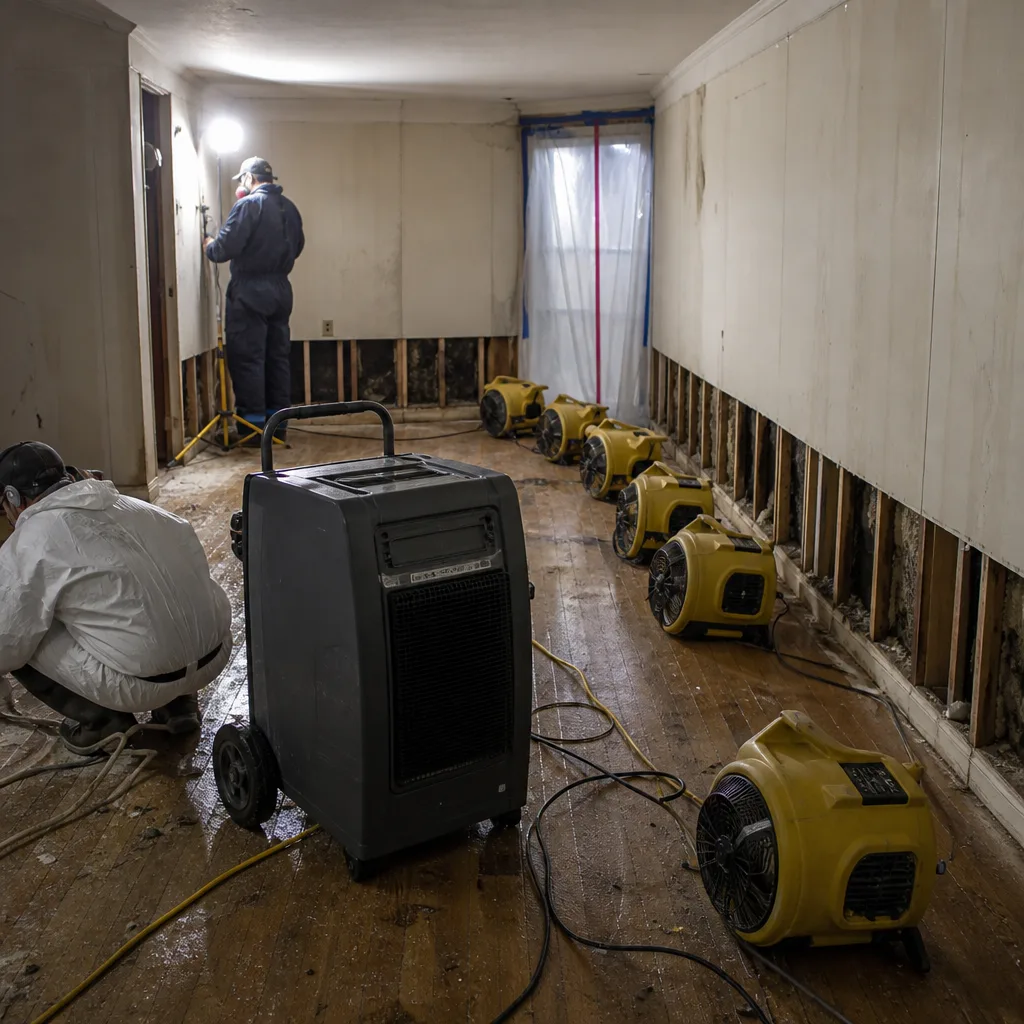
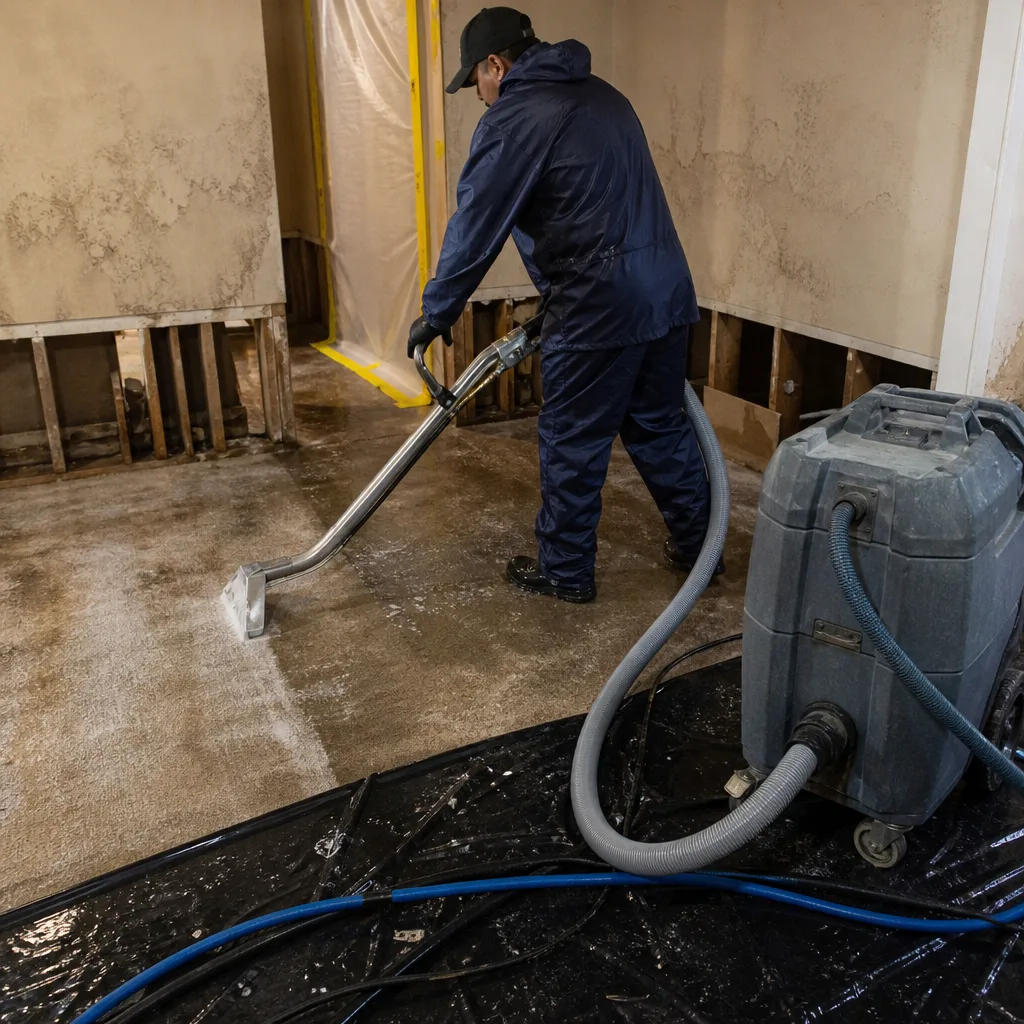
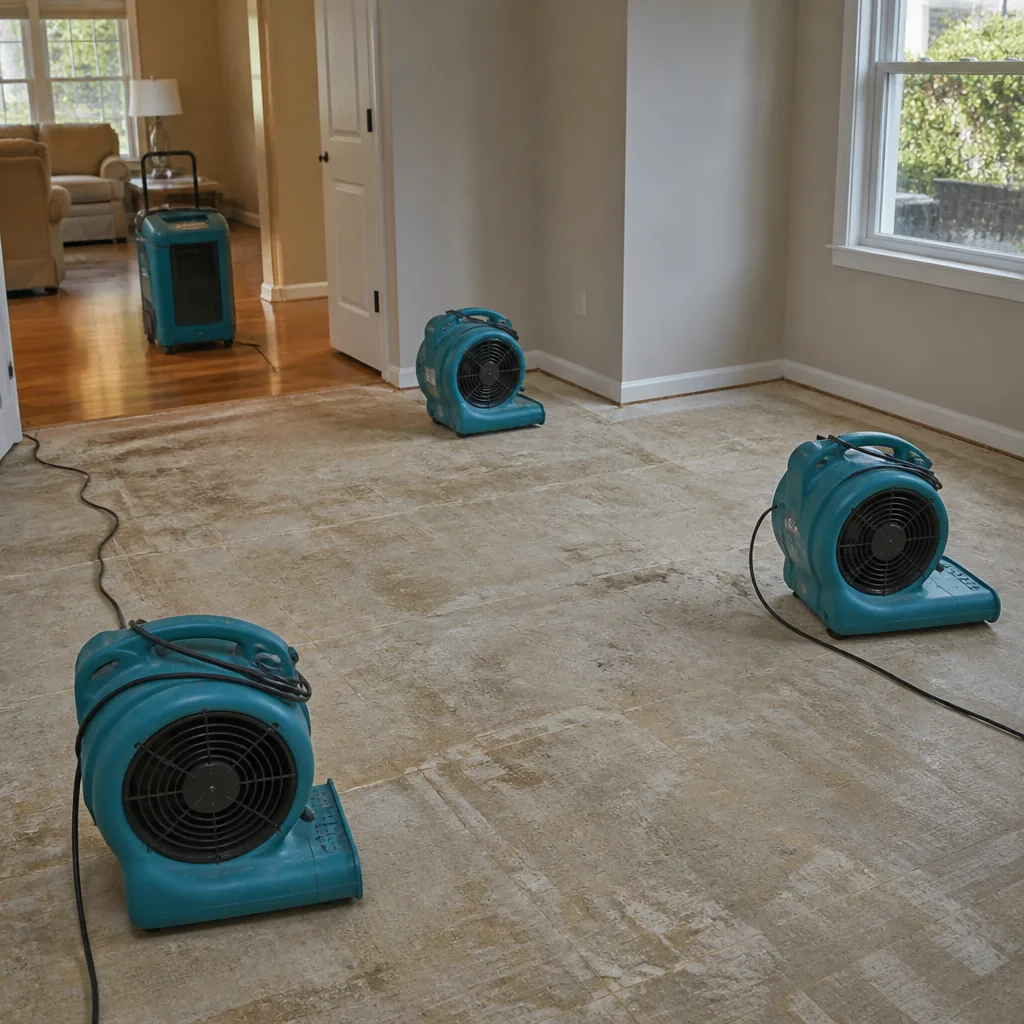
 Water damage drying
 Fire & smoke cleanup
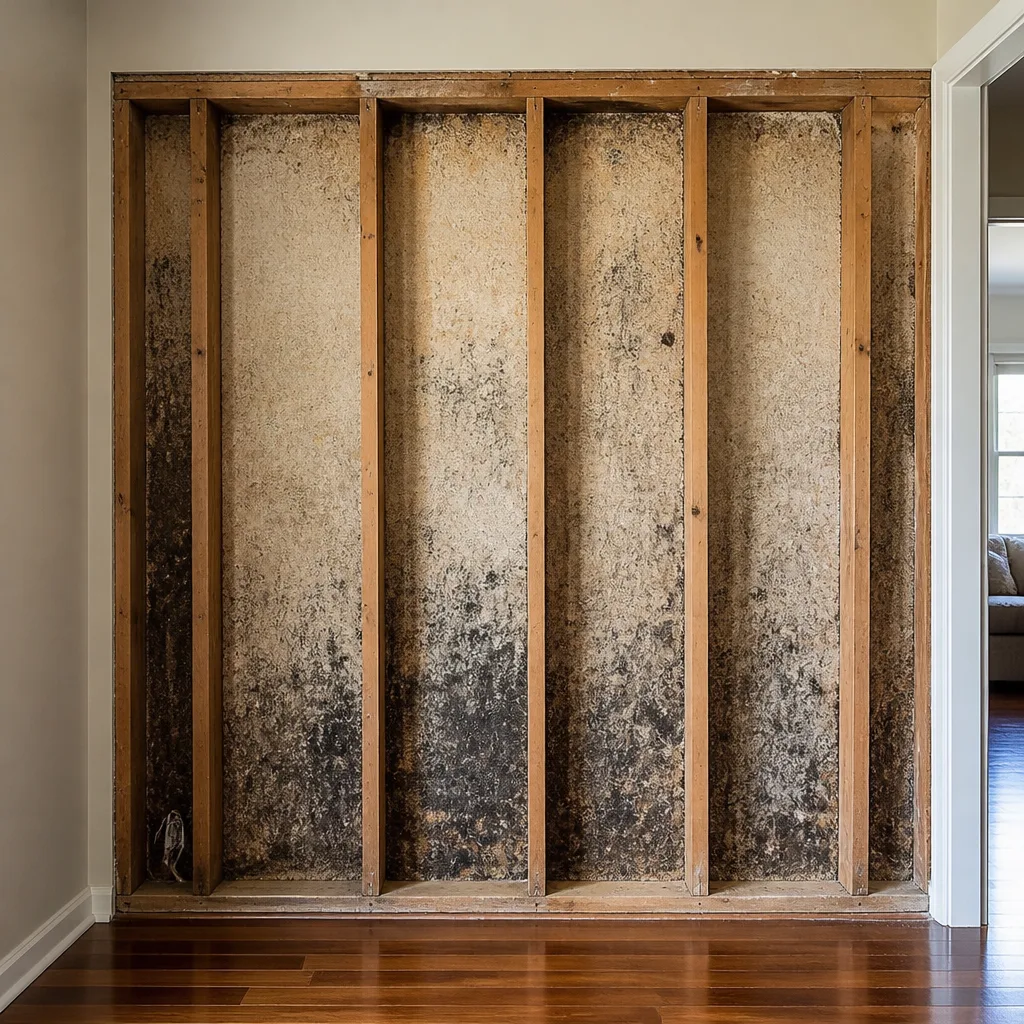 Mold remediation
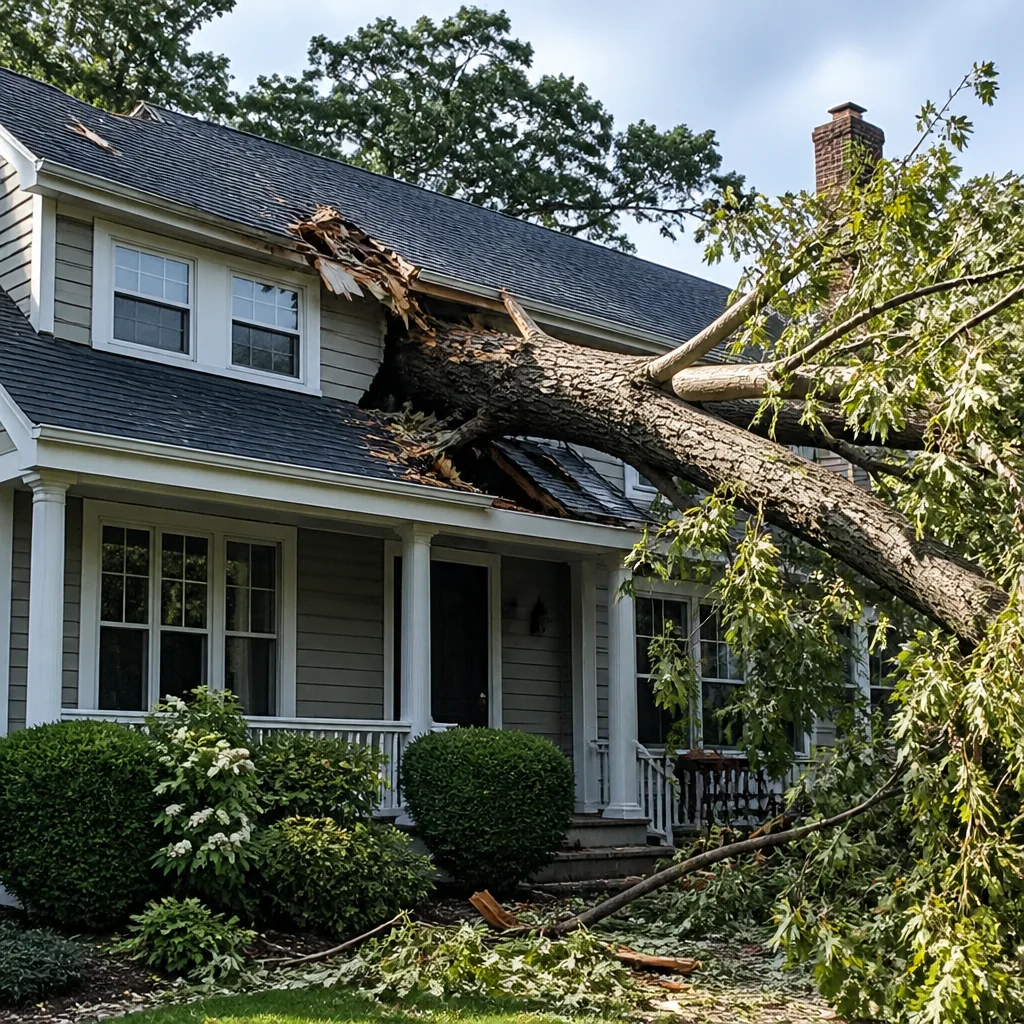 Storm response
 Sewage cleanup
 Reconstruction
Free visual inspection and a written scope of work before any mitigation begins - photos, moisture readings, and drying logs go in your claim file
The scope we write is the scope we bill. Anything new gets shown to you, in writing, before we touch it.
Get your free estimateFast, Reliable Water Damage Restoration Across Deer Park
Most water damage in Deer Park doesn’t come from a single dramatic event. It comes from slab leaks in 1960s brick homes, from stormwater pushing up through older clay sewer lines in College Park, and from humidity that never gives drying a chance. When water sits against slab foundations or wicks up drywall, the damage doubles every day it goes unaddressed. We know Deer Park’s streets, its housing stock, and the way water behaves here. Call (325) 423-6800 any time, day or night, and a real person answers. Not a voicemail, not a callback queue.
If you’re dealing with standing water or visible seepage right now, the first step is extraction. The second is drying the structure past the tide mark, which our Water Damage Restoration team does with professional-grade equipment and a written plan before any machine gets plugged in. We coordinate dispatch from our Houston office, and crews serve Deer Park locally with response times measured in hours, not days.
Why Tidemark Water Damage Houston Is Deer Park’s Preferred Water Damage Restoration Company
We’re not a franchise operation running crews through on a schedule built in another state. We’re independently owned and operated, working to the Cedarwell Care Promise, and Rick Sumner has built his restoration approach around a simple idea: explain the price before the work, protect the home while you’re in it, and stand behind the job after the crew leaves.
What does that look like in a Deer Park home? Shoe covers go on at the door. Drop cloths cover the floor before the first piece of equipment comes in. Background-checked, uniformed technicians arrive with Dri-Eaz and Injectidry equipment already loaded on the truck, along with pet-safe drying agents where there’s a choice. We ask before we move or touch anything, and we respect quiet hours during school time and nap time. When we leave, you get a photo of the clean-up so you can see exactly what was done and how it was left.
The 365-Day Done Right Promise is the difference. If the restoration isn’t done right, we make it right. That’s the standard behind every water damage job in Deer Park, and it’s written into how we work, not bolted on as a marketing line.
Restoration work we handle
Flooded Basement in Deer Park
Flooded basements in Deer Park happen differently than in other parts of the country. Here, the water table sits high, and heavy Gulf rain can push groundwater up through slab cracks and cove joints in homes that were never built with waterproofing systems designed for the 45-55 inches of annual rainfall this area receives. When a basement floods in Deer Park, the water isn’t clean. It’s carrying whatever was in the soil, and in neighborhoods close to State Highway 225, that often means trace hydrocarbons from decades of industrial activity along the ship channel corridor.
We treat flooded basement water in Deer Park as a Category 2 or Category 3 situation from the start. That means containment first, then extraction, then antimicrobial protocols that account for chemical residue, not just standing water. The extraction step uses submersible pumps for deep water and truck-mounted extractors for saturation. The drying step matters equally: without aggressive dehumidification, Deer Park’s summer humidity will keep concrete and drywall damp enough for mold growth within 24 to 48 hours.
Basement Water Removal Process
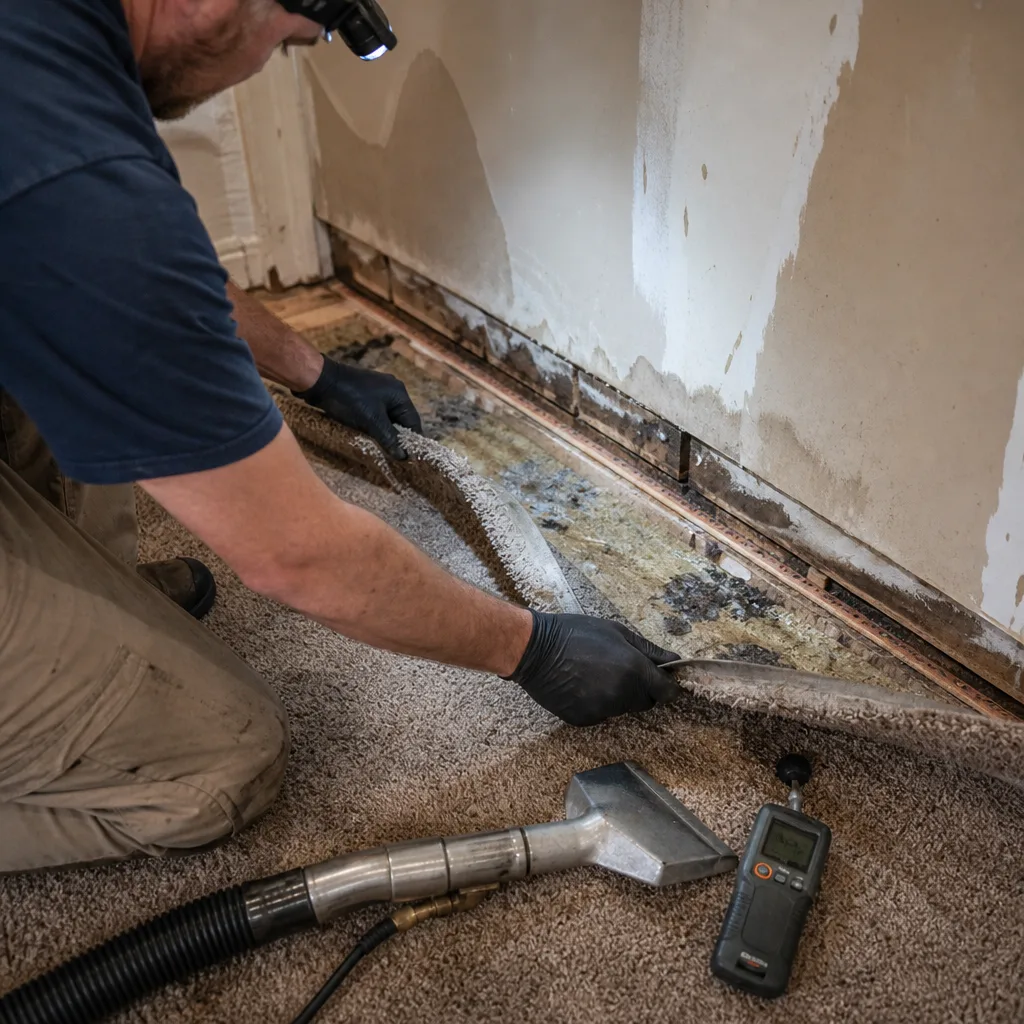
We set up containment and negative air before disturbing any materials. Once the water is extracted, we pull affected baseboards and drill weep holes where needed so trapped water can drain. Injectidry panels go into wall cavities to pull moisture from behind drywall and insulation, and our moisture mapping tracks every affected surface back to pre-loss condition.
When a Basement Flood Needs Professional Equipment
A shop vacuum isn’t enough for a Deer Park basement flood. Concrete slabs hold water in pores and capillaries long after the surface looks dry. We use professional-grade XPOWER and B-Air air movers paired with Phoenix dehumidifiers to dry the slab itself. If you only dry the surface, you’ll smell the mold in a month. Most Deer Park basement floods in homes this size run between $2,800 and $6,500, and you see the written number before we start.
Water Extraction in Deer Park
Water extraction in Deer Park is not a one-size-fits-all job, because the water here isn’t always one-size-fits-all water. A burst supply line under a kitchen sink delivering clean Category 1 water is straightforward. But a slab leak from failing cast iron plumbing, common in 1950s-to-1980s homes across Deer Park, often moves Category 2 grey water that has picked up soil, sewage residue, or trace chemical content from the ship channel corridor. That changes the extraction protocol, the antimicrobial treatment, and the containment plan.
The first hour matters most. In Deer Park’s humid subtropical climate, standing water begins saturating drywall and wicking upward quickly. Without extraction, what started as a small leak becomes saturation across baseboards, lower wall cavities, and flooring. Our crews arrive with truck-mounted extraction equipment, moisture meters, and thermal imaging to find water that hasn’t shown up on the surface yet. The goal isn’t just removing what you can see. It’s finding where the water traveled and drying past that line.
Slab Leak Water Extraction
When cast iron sewer lines under a Deer Park slab fail, water seeps upward through foundation cracks and into flooring. Extraction is the first step, but the slab itself stays wet. We drill weep holes where water is trapped, pull affected flooring, and use Injectidry panels to dry the slab and subfloor. Every drying log entry is timestamped, because with Deer Park humidity, the 24-48 hour mold window means we never leave a job without confirmation of dry.
Storm and Flood Water Extraction
After heavy storms, streets in older Deer Park neighborhoods like College Park can flood, and original clay sewer lines under these homes often back up. That pushes contaminated water through slab cracks and up baseboards. Storm flood extraction in Deer Park requires containment and Category 3 treatment, not just pumping. Extraction costs for a typical Deer Park home run $2,200 to $5,800, depending on square footage and contamination level.
Trusted Brands We Service in Deer Park
We work with the equipment brands that restoration professionals use, because Deer Park homes deserve the same standard as any commercial job. Dri-Eaz and Phoenix dehumidifiers pull moisture from slab foundations and wall cavities. XPOWER and B-Air air movers push air across drying surfaces. Injectidry panels get into spaces other systems can’t reach. Our technicians hold IICRC credentials, which means they’ve been trained on these systems and tested against industry standards. We keep replacement parts and drying equipment stocked for Deer Park jobs, so there’s no waiting on a warehouse run when your floors are wet. Rick Sumner’s team arrives ready to work, not ready to go shopping.
See the difference
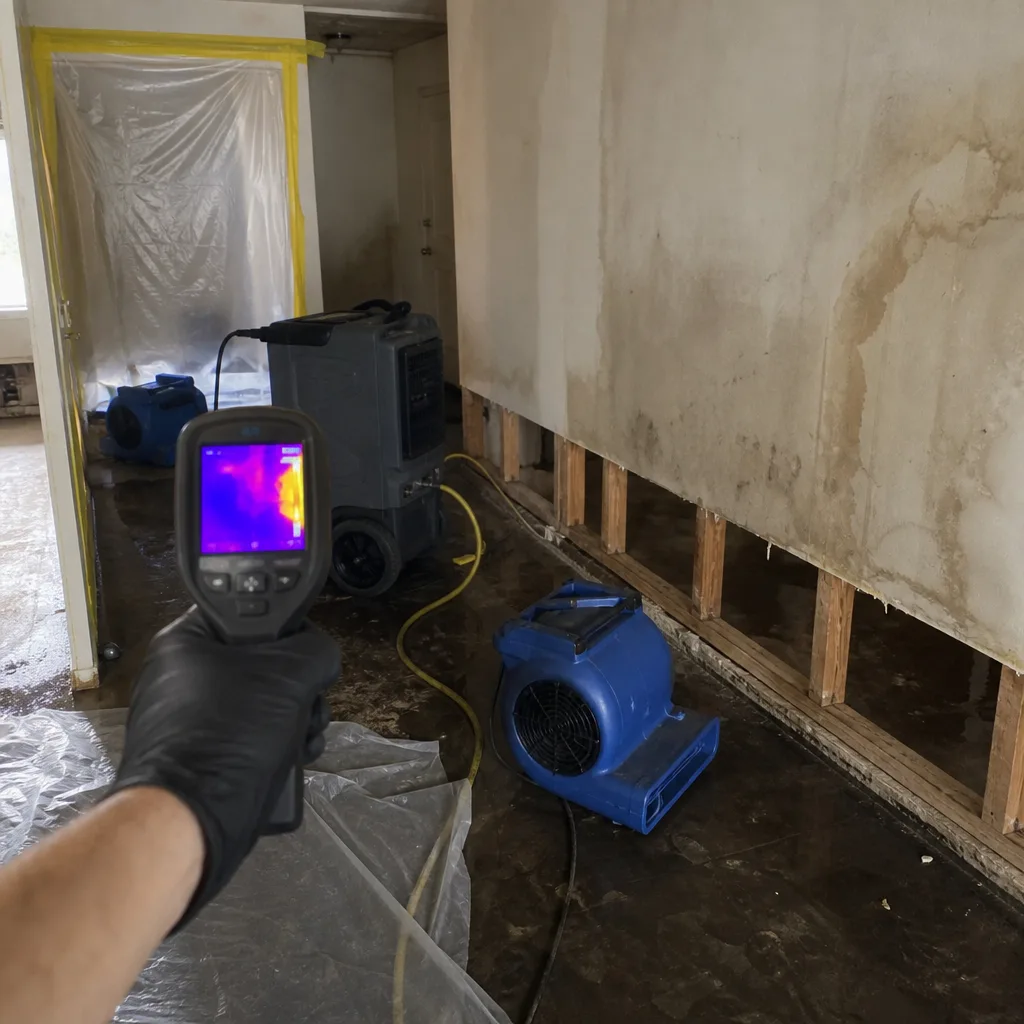 Before
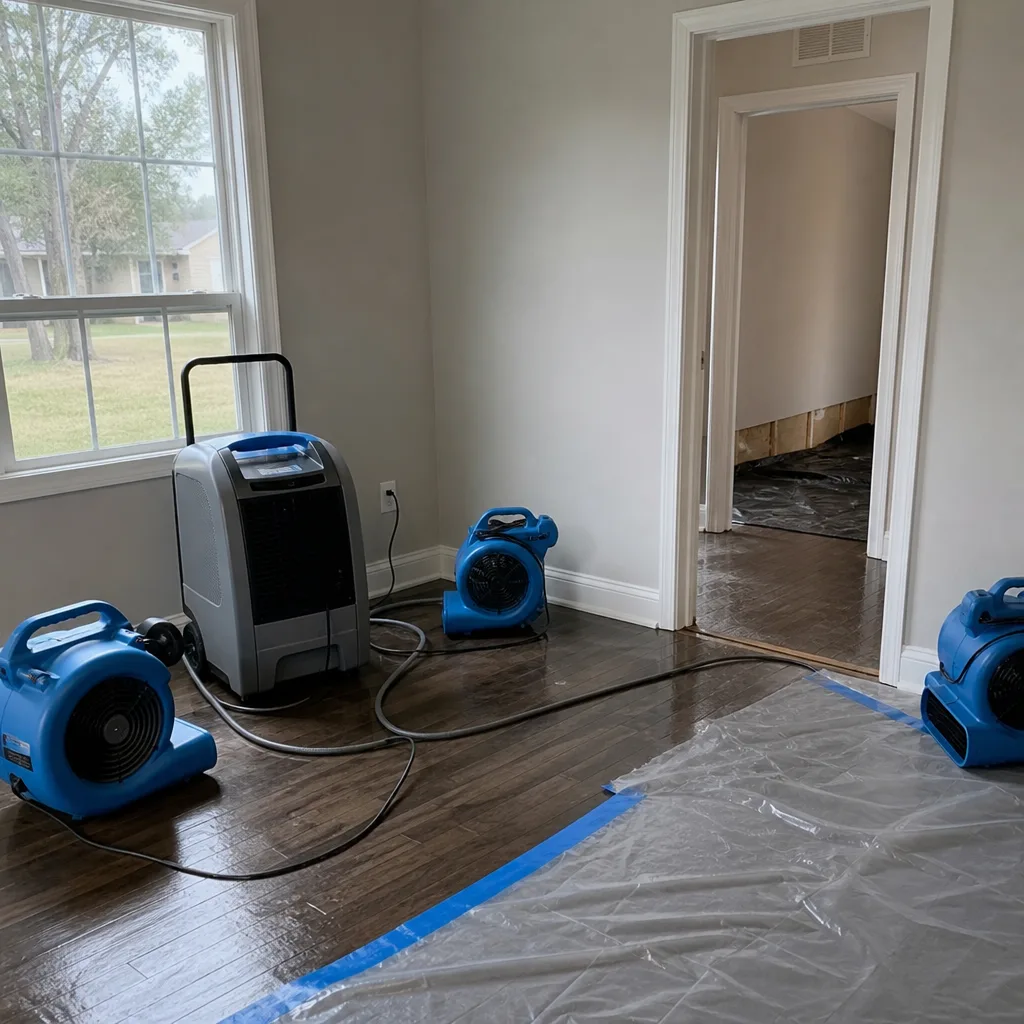 After
After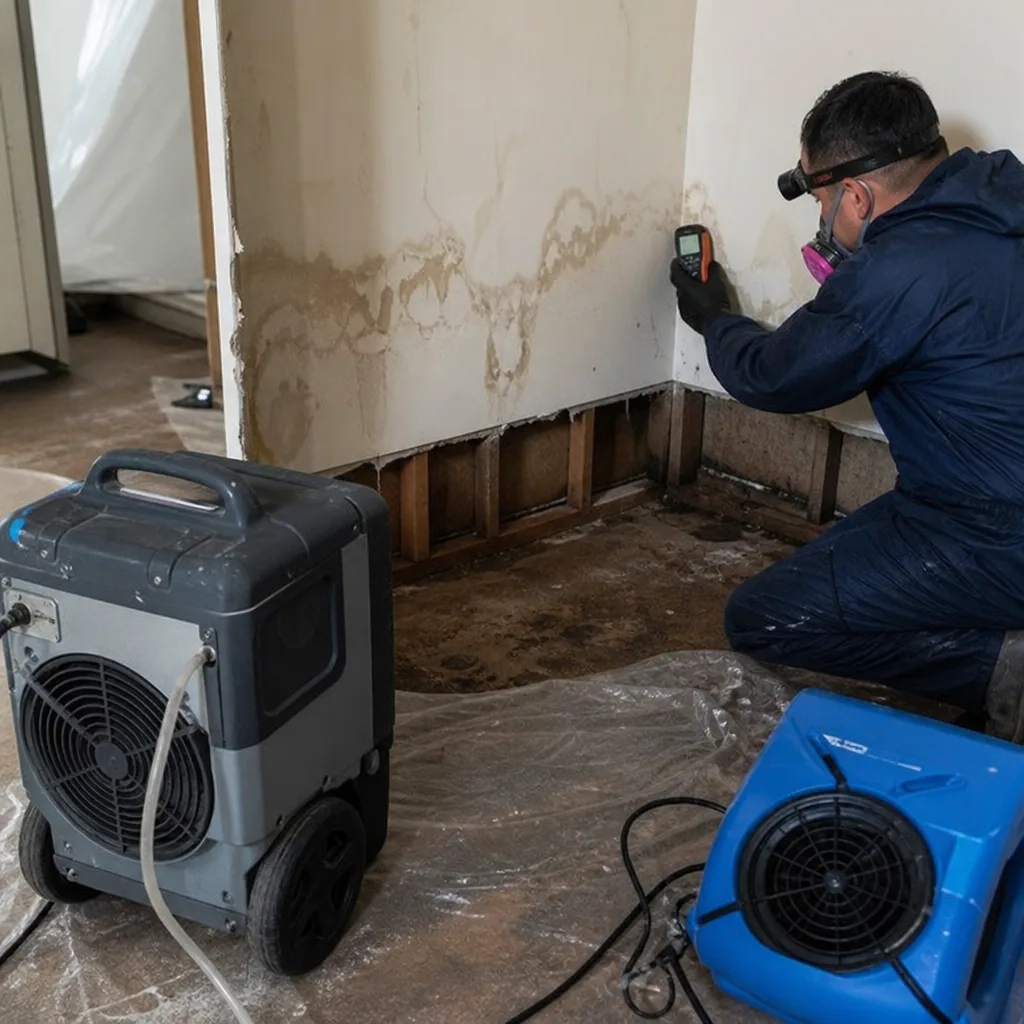 Before
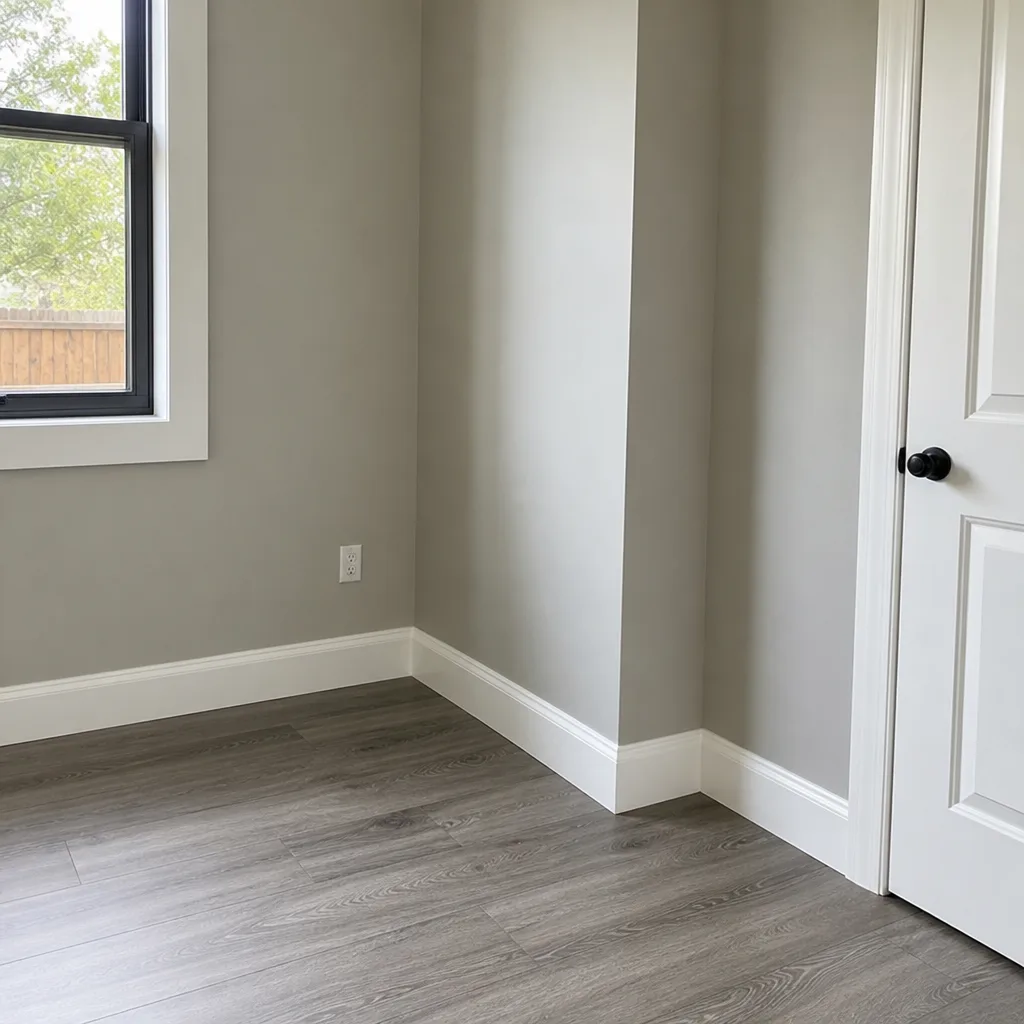 After
After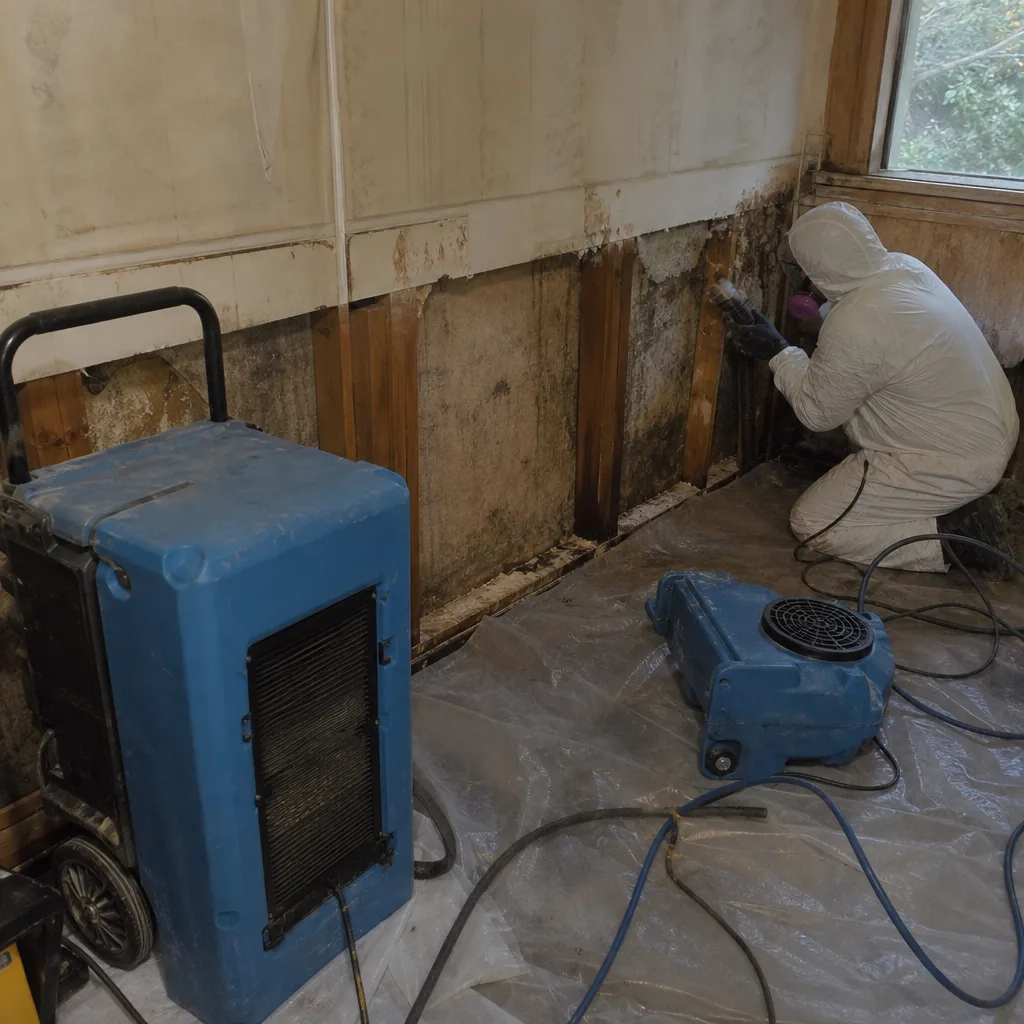 Before
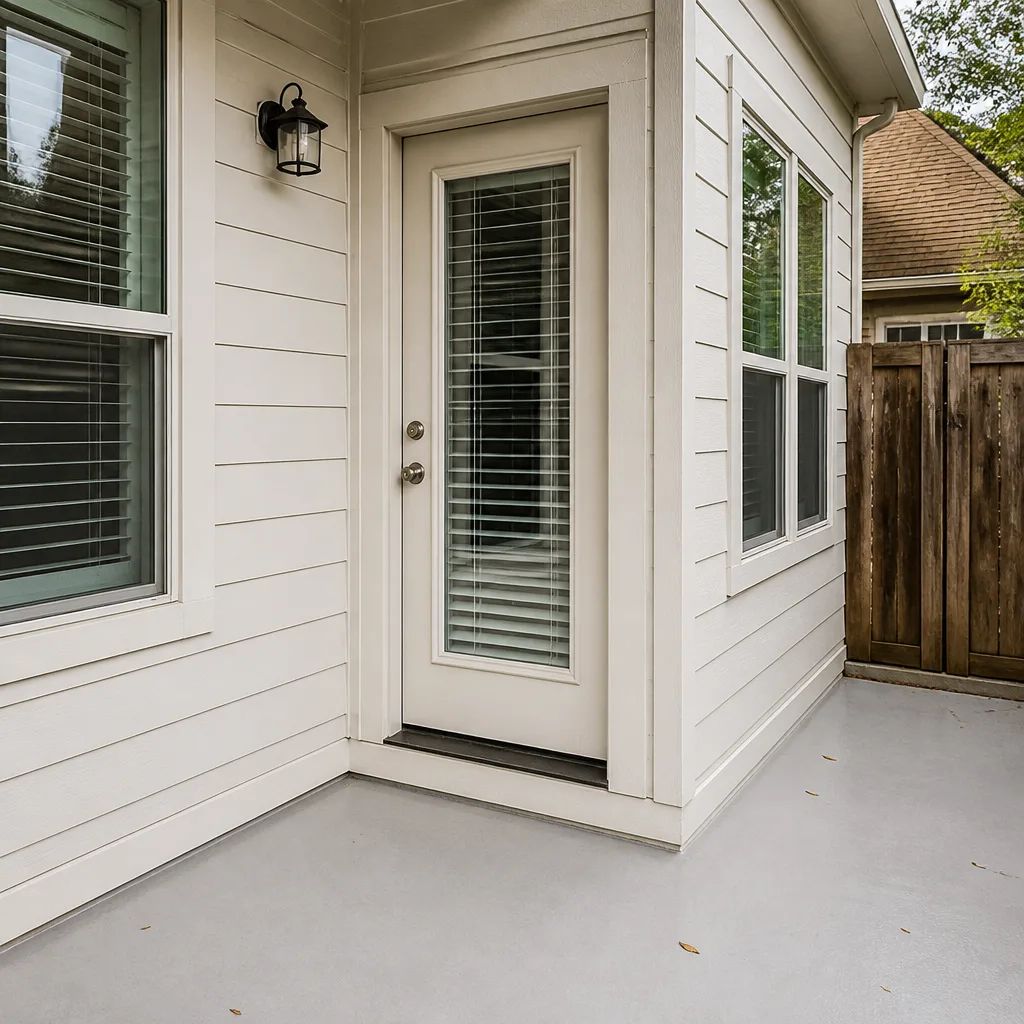 After
AfterCommon Water Damage Restoration Problems We See in Deer Park Homes
- Slab leaks from aging cast iron plumbing. Most Deer Park homes were built between the 1950s and 1980s, and the original sewer lines are past their expected service life. When they fail, water seeps up through slab cracks and wicks into walls without ever showing as a visible puddle.
- Storm sewer backups through clay laterals. Older subdivisions like College Park still have original clay sewer lines. After heavy rain, those lines back up and push grey water through foundation seams and baseboards in ways many restorers miss.
- Mold acceleration from year-round humidity. Deer Park’s humid subtropical climate means drywall rarely dries on its own after a leak. Without rapid extraction and controlled dehumidification, mold can establish in 24 to 48 hours.
- Chemical residue in flood water near State Highway 225. Deer Park sits inside the Houston Ship Channel petrochemical corridor. Flood water in this area can carry trace industrial fallout that requires specialized antimicrobial protocols, not just standard Category 1 drying.
Pricing for Water Damage Restoration in Deer Park, TX
We Also Serve Cities Near Deer Park
Our crews handle water damage restoration across the communities around Deer Park, including Pasadena, South Houston, Galena Park, and League City. If you’re in one of those areas and water has made it inside, the process is the same: call, get a live person, and get a written price before work starts. Same team, same equipment, same 365-Day Done Right Promise.
Serving Deer Park, TX - Our Local Coverage Area
We’re based in the Deer Park area and know this community well. Use the map below to see our service coverage - if you’re nearby, we can almost certainly help.
FAQs About Water Damage Restoration in Deer Park
We treat it as Category 2 or Category 3 water from the start, which means full containment, personal protective equipment, and antimicrobial protocols designed for hydrocarbon and industrial residue, not just clean-water drying. Deer Park’s location inside the Houston Ship Channel corridor means flood water can carry trace contaminants from State Highway 225 facilities and surrounding industrial operations. Our IICRC-credentialed technicians are trained to recognize this and adjust the restoration plan accordingly. Call (325) 423-6800 and we’ll walk you through what your specific situation requires.
You’re almost certainly dealing with a failed cast iron sewer line or a backed-up clay lateral, both common in Deer Park homes from that era. The water is finding the path of least resistance through your foundation, and it’s carrying soil contamination with it. This isn’t a mop-and-dry situation. We’ll locate the source, set containment, extract the water, and dry the slab properly. This is exactly the kind of job Rick Sumner and our team handle regularly in Deer Park’s older subdivisions.
Within hours, not days. In Deer Park’s humidity, drywall reaches the moisture threshold for mold growth within 24 to 48 hours. The faster extraction begins, the less demolition, the less cost, and the more of your home that can be saved rather than replaced. We answer live around the clock and can typically have a crew responding to a Deer Park address the same day you call (325) 423-6800.
Category 1 is clean water from a supply line or a tub overflow. Category 3 is grossly contaminated water, typically from sewage backups or outside flood water. In Deer Park, the distinction matters more than in neighboring cities because even Category 2 grey water in this area can carry trace chemical residue from the ship channel corridor. Treating that water as clean leads to incomplete antimicrobial treatment and hidden contamination. We document the category, the treatment plan, and the drying log in writing.
Often yes, if extraction and drying start quickly. Solid hardwood and engineered wood both respond to controlled drying with professional equipment, but the key is removing moisture from the subfloor, not just the surface. Our Injectidry panels draw moisture from beneath the flooring, and our moisture mapping tells us when the wood has truly reached pre-loss condition. If the floors can’t be saved, we’ll tell you honestly and show you the readings. Call (325) 423-6800 for a free assessment and a written estimate.
Written by Rick Sumner, Owner at Tidemark Water Damage Houston, serving Deer Park and surrounding communities with water, mold, and fire restoration backed by the 365-Day Done Right Promise.