
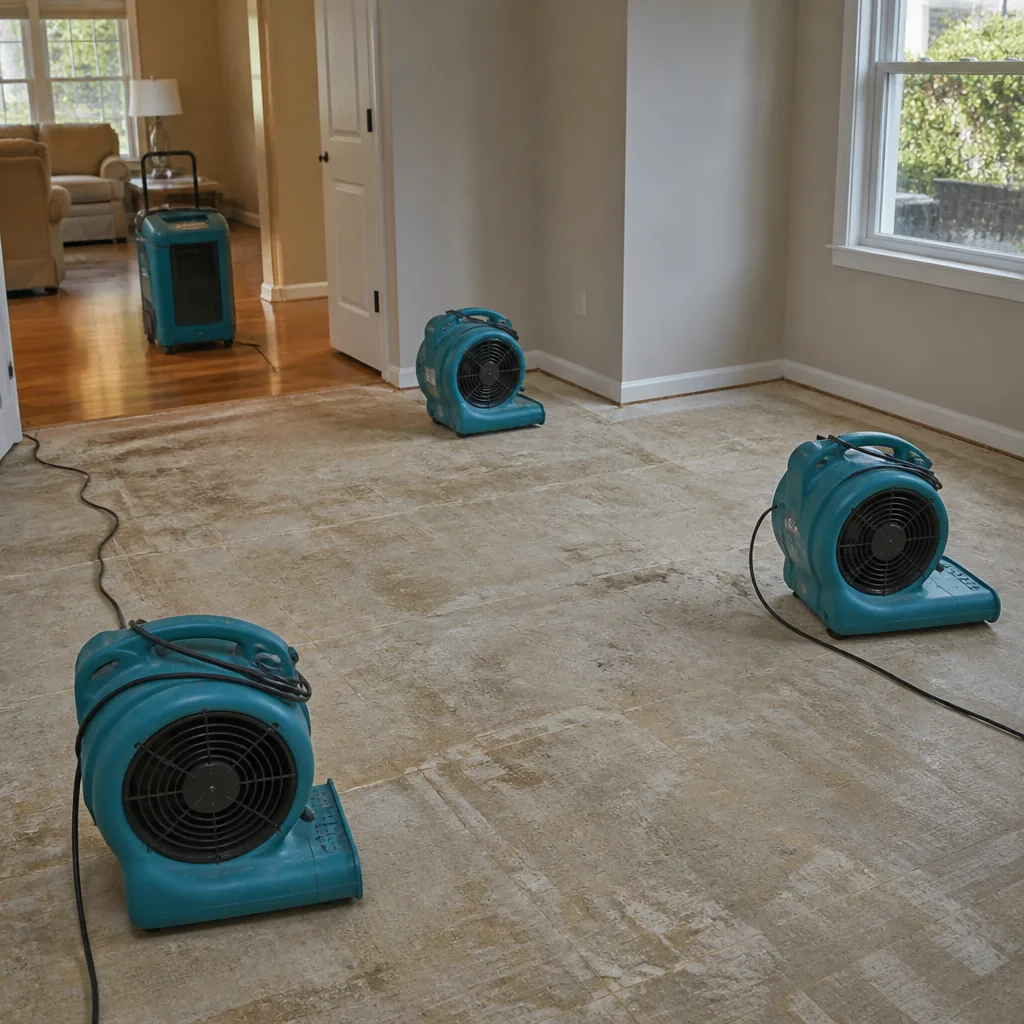
 Water damage drying
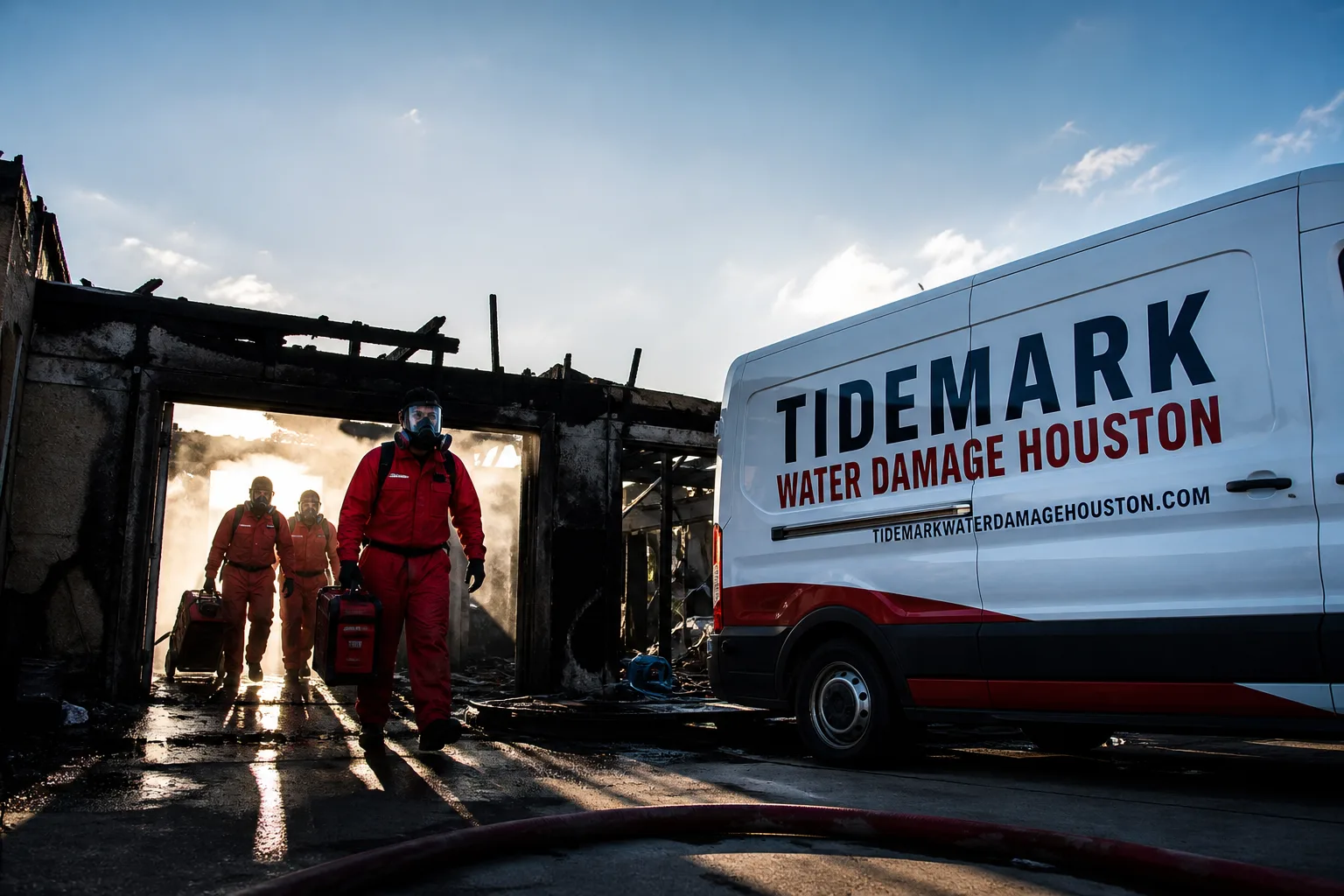
 Fire & smoke cleanup
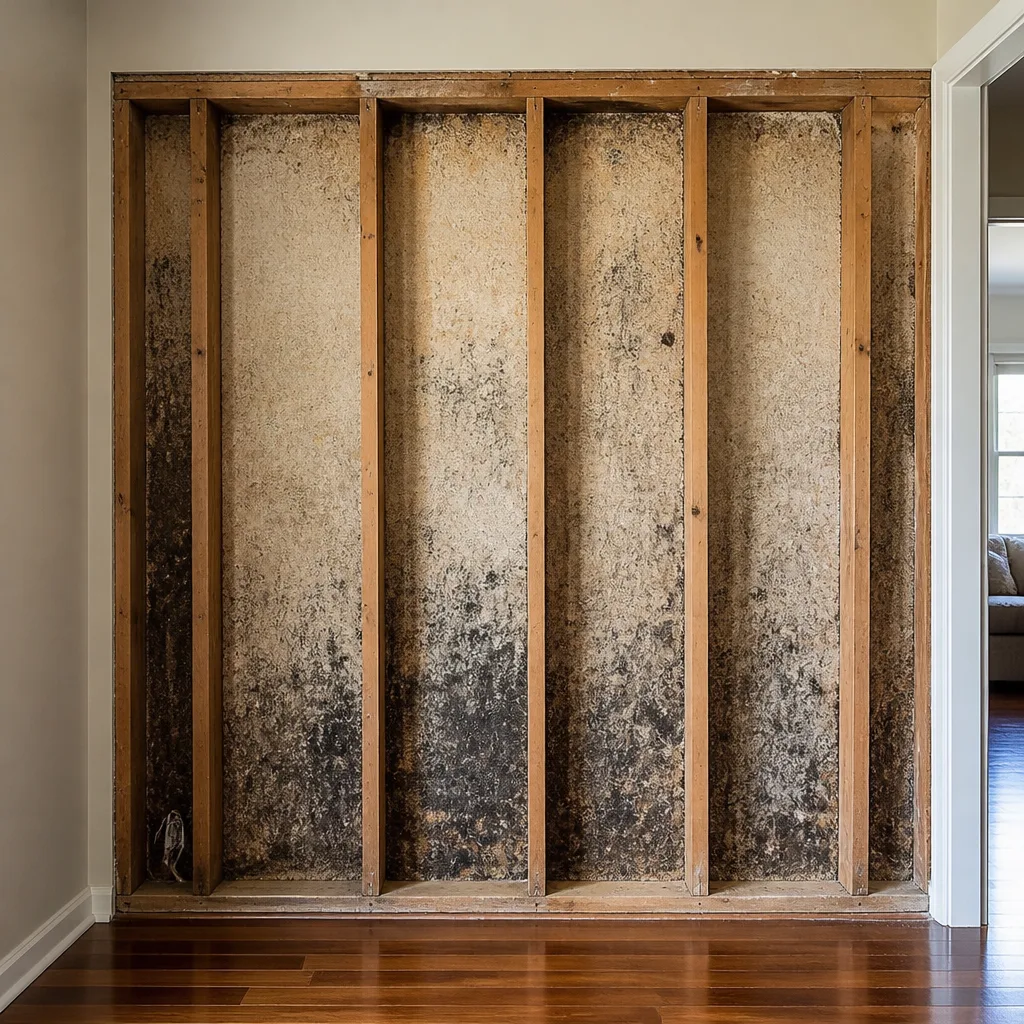 Mold remediation
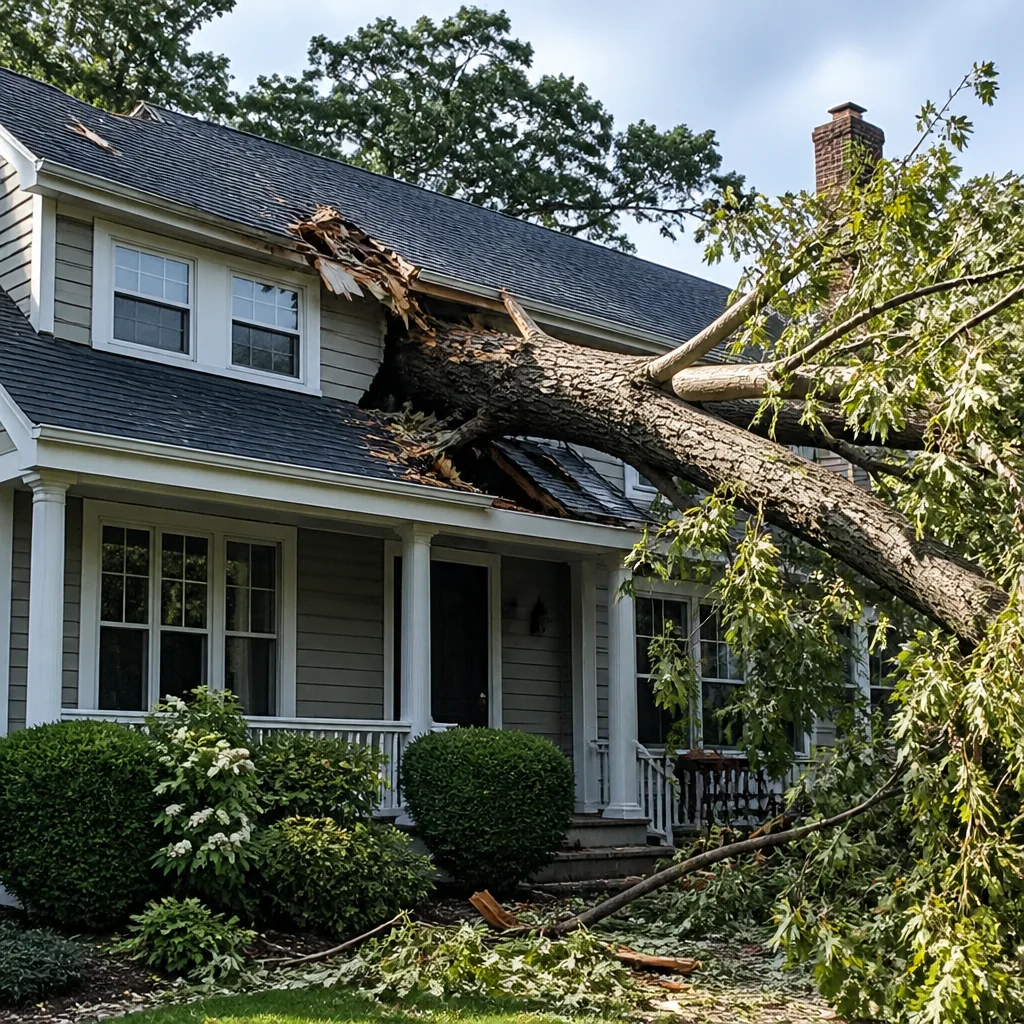 Storm response
 Sewage cleanup
 Reconstruction
Free visual inspection and a written scope of work before any mitigation begins - photos, moisture readings, and drying logs go in your claim file
The scope we write is the scope we bill. Anything new gets shown to you, in writing, before we touch it.
Get your free estimateRestoration work we handle
See the difference
 Before
 After
After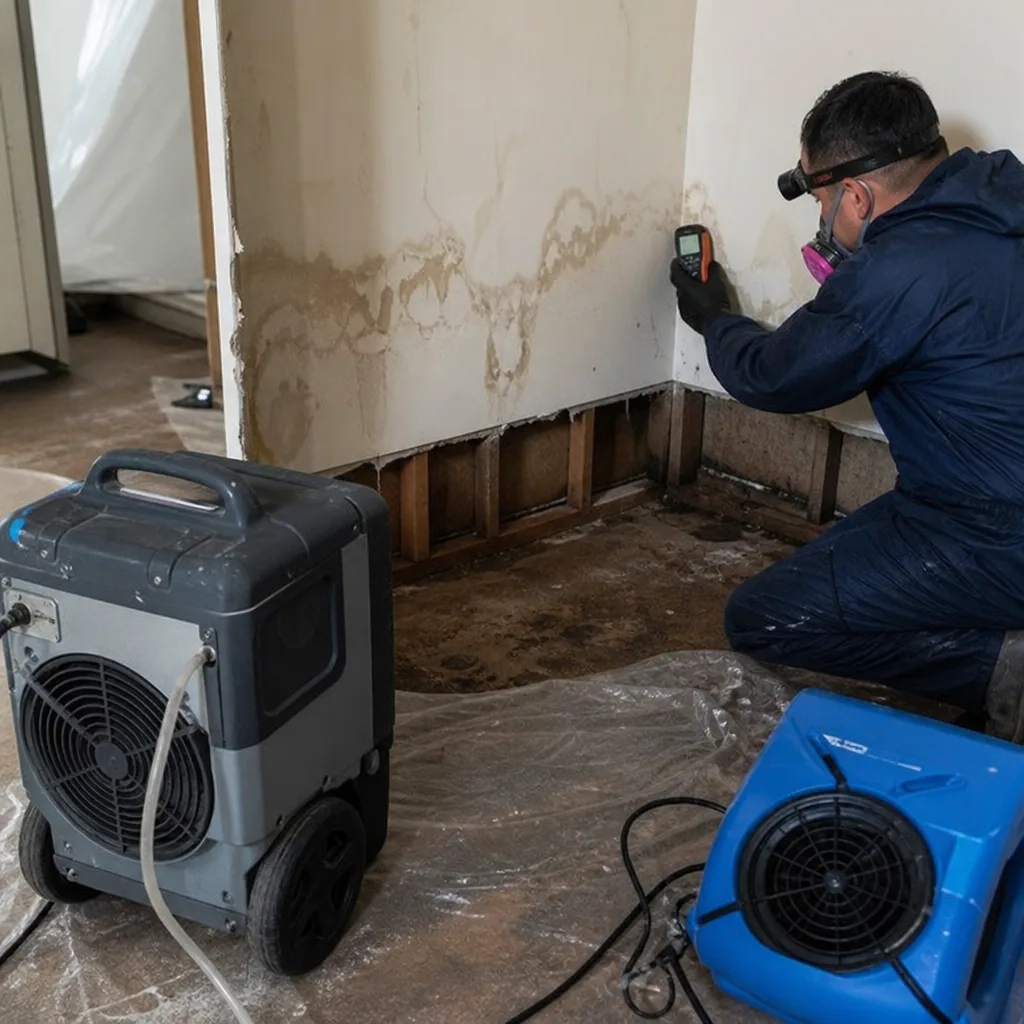 Before
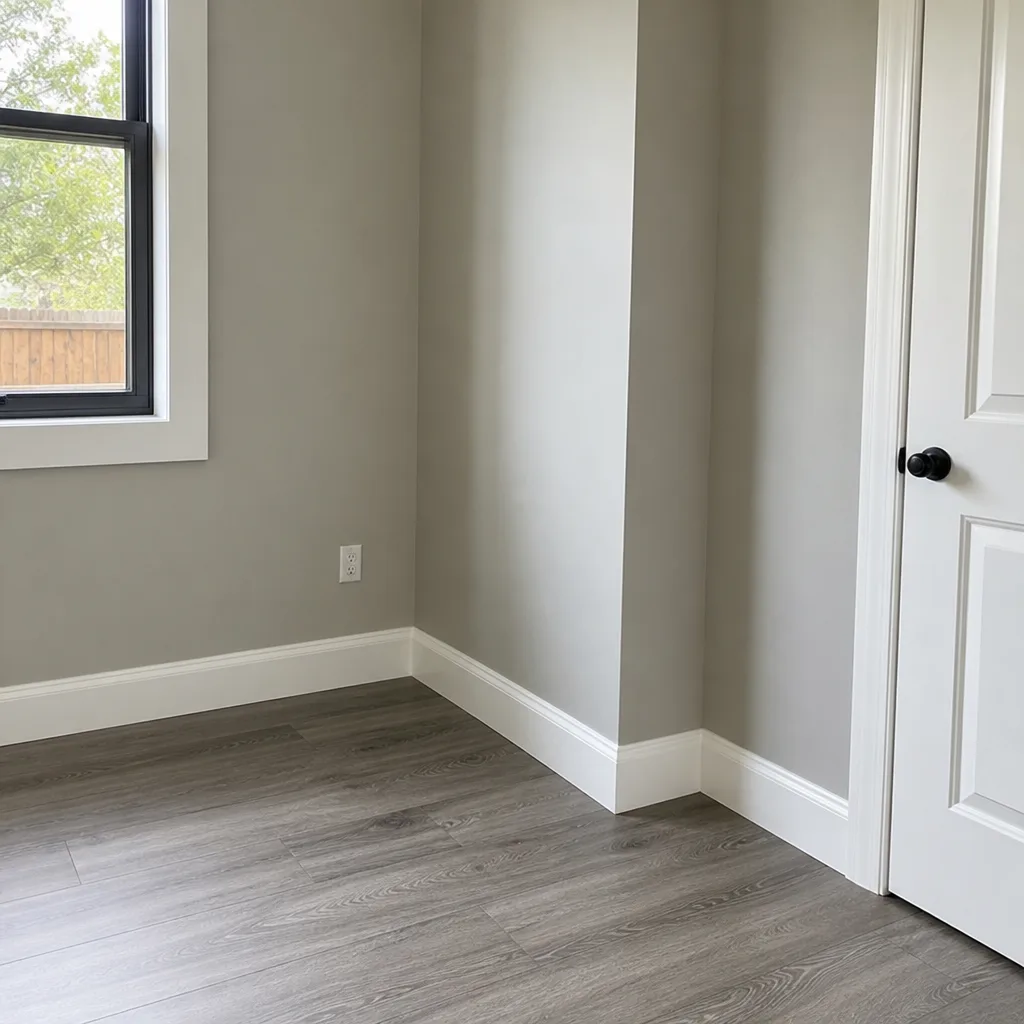 After
After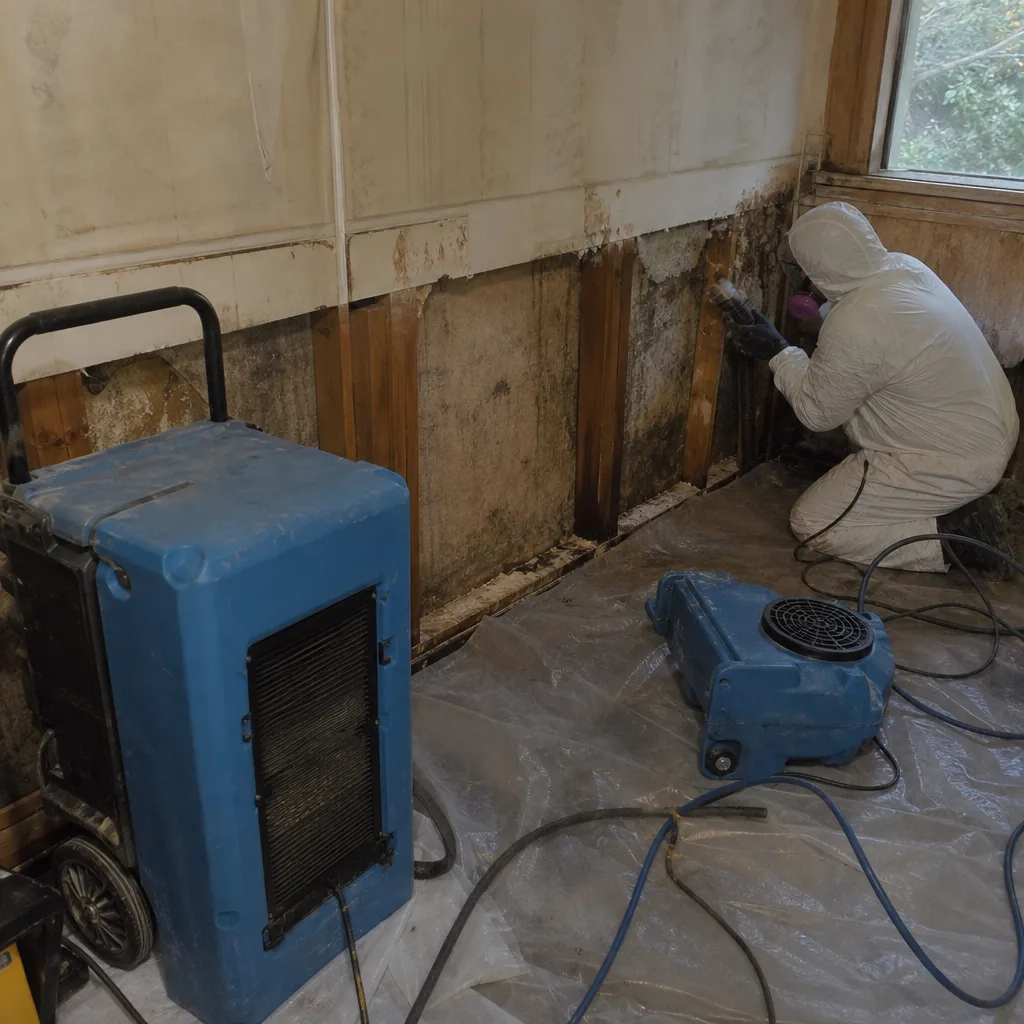 Before
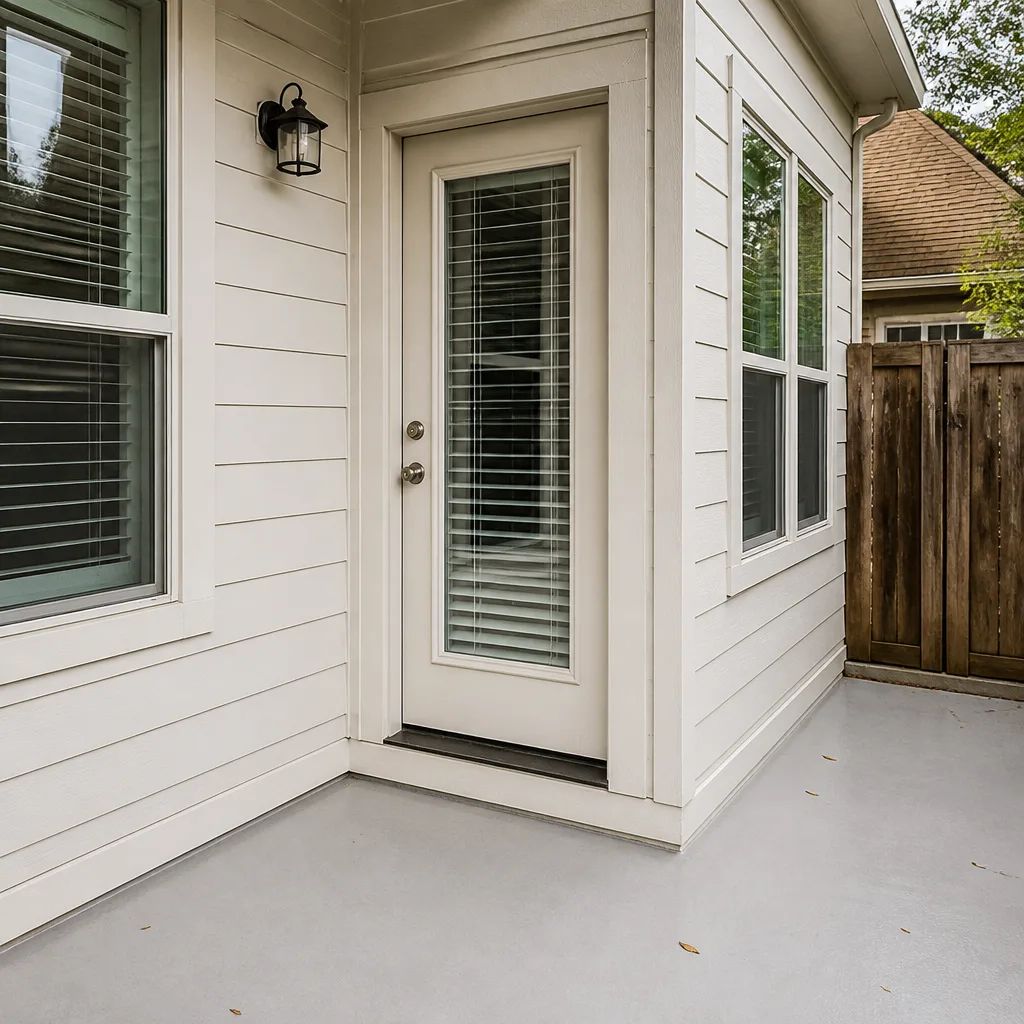 After
AfterHow Much Does Storm & Disaster Restoration Cost in Houston?
Storm and disaster restoration in Houston typically costs between $3,200 and $27,000 depending on the scale of the damage, the type of water involved, and how far it traveled through the structure. Most single-event storm damage jobs on a standard 2,000-square-foot home land in the $5,500 to $14,000 range when you factor in water extraction, structural drying, and repairs. You should expect a written, itemized price before any equipment rolls off the truck, and the final number should match that quote unless hidden damage is uncovered mid-job and re-approved in writing.
Those numbers come from the work we do at Tidemark Water Damage Houston every week. We’re the independently owned Houston arm of the Cedarwell Care Promise network, and we’ve been restoring homes here since 2006. The price you see before we start is the price you pay, and every job carries our 365-Day Done Right Promise: if the restoration isn’t done right, we make it right.
Storm & Disaster Restoration Cost Breakdown (2026)
Here’s what Houston homeowners can expect to pay in 2026, broken down by the actual work performed. These reflect our current Houston pricing and are based on jobs our crews have completed in the past 12 months across neighborhoods like Meyerland, Kingwood, Bellaire, The Heights, and Pearland.
| Restoration Service | Typical Houston Cost Range | What It Includes |
|---|---|---|
| Water extraction (single room) | $450 – $1,100 | Standing water removal, initial moisture mapping, equipment placement |
| Structural drying (whole home) | $1,800 – $4,600 | Commercial air movers, dehumidifiers, daily monitoring, moisture readings |
| Flood water mitigation (Category 3) | $4,500 – $11,000 | Contaminated water removal, antimicrobial treatment, disposal of unsalvageable materials |
| Roof tarping after storm | $350 – $750 | Emergency tarp, temporary seal, debris removal from roof surface |
| Drywall + insulation replacement | $2,200 – $6,800 | Cutting wet drywall, removing saturated insulation, disposal, basic reconstruction |
| Wind and hail damage repair | $3,000 – $18,000 | Roof, siding, window, and fence repairs depending on severity |
| Full storm restoration (flood + rebuild) | $15,000 – $42,000 | Complete mitigation plus reconstruction of affected rooms |
What moves these numbers up or down? The single biggest factor in Houston is whether the water came from above (rain through a damaged roof), below (rising bayou or street flooding), or from inside (a busted pipe during a freeze, like the one that hit Houston in February 2021). Rain and pipe water are Category 1 or 2, which costs less to remediate. Flood water from the street or bayous carries sewage, chemicals, and bacteria, pushing it to Category 3 and requiring demolition of porous materials, antimicrobial treatment, and heavier disposal fees. A Category 3 job in a Kingwood home near the San Jacinto River regularly runs $2,000 to $5,000 more than a clean-water leak of the same square footage in a Bellaire one-story.
The other non-negotiable cost driver is how quickly water is addressed. In Houston’s humidity, drywall that stays wet beyond 48 to 72 hours starts growing mold, which converts a drying job into a mold remediation job and can add $1,500 to $6,000 to the total. That’s why our crews at Storm & Disaster Restoration in Houston are on site fast, with moisture meters in hand. Finding the edge of where water traveled and drying past it is the whole point.
What Affects Storm & Disaster Restoration Pricing in Houston
Houston’s climate, geography, and housing stock create pricing realities that differ from Dallas, Austin, or any other Texas market. These are the factors we see every week.
- Proximity to bayous and floodways. Homes in Meyerland, Braeswood Place, and areas near Brays Bayou flood more frequently and with dirtier water, which means more Category 3 work and more demolition. A Meyerland rancher typically costs more to restore than a similarly sized home in Katy because the water itself is worse and the damage is deeper.
- Foundation type. Houston’s clay soil shifts constantly. Many older homes in The Heights and Montrose sit on pier-and-beam foundations, which absorb water differently than the concrete slabs common in Sugar Land and Cypress. Crawlspace drying under a pier-and-beam home can add $600 to $1,800 to a job versus a slab home where water stays above grade.
- Age of the home and materials. Homes built before 1978 may contain lead-based paint, and homes built before 1990 often have asbestos-containing materials in insulation or flooring. Disturbing these requires specialized handling that adds cost. If your home is pre-1980, expect a line item for testing and potential abatement.
- HVAC system involvement. When flood water reaches your air handler or ductwork, which happens often in Houston’s slab homes where AC units sit in closets near floor level, you add $1,000 to $3,500 for cleaning or replacement of ductwork and the unit itself.
- Mold suppression timeline. Houston averages 75% relative humidity year-round, and summer storms mean standing water plus heat equals mold within 48 to 72 hours. If the water event happened before we arrived, or if a previous restoration company did not dry properly, mold remediation becomes part of the price.
- Permitting and code requirements. The City of Houston requires permits for any structural repair that involves electrical, plumbing, or mechanical systems. Permit fees and the time involved in inspections add $200 to $750 per permit on typical jobs. Harris County parcels outside city limits follow county codes, which can vary.
Storm & Disaster Restoration Costs by Houston Neighborhood
Prices shift across the metro area based on access, parking, flood history, and housing types. These are the ranges our Houston crews have worked in over the last year, which may help you gauge where your home falls.
- Meyerland and Braeswood Place: $4,000 – $18,000. Deep, dirty flood water from Brays Bayou, with a high rate of demolition and full mitigation. Homes here often have had previous flood work, which complicates matching materials.
- Kingwood and Humble: $3,500 – $16,000 depending on proximity to the San Jacinto River and Lake Houston. Homes near the water see more flood claims and more Category 3 work.
- Bellaire and West University: $3,200 – $12,000. Many homes here are slab-on-grade with moderate flood exposure. More cases involve roof leaks from wind and hail than street flooding.
- Katy and Cypress: $3,000 – $11,000. Newer construction, tighter building envelopes, and better drainage mean less severe water intrusion when storms pass.
- The Heights and Montrose: $3,800 – $14,000 with a higher share of cost tied to pier-and-beam crawlspace drying and older materials requiring careful handling.
- Pearland and Friendswood: $3,200 – $13,000, with hurricane-related wind and water claims more common than in points north of the city.
If you are not sure where your situation falls, that is fine. The written estimate we provide before work starts includes a line item for everything we have found, and we explain each number before we ask for a signature. Go to our home page, or call us, and we will walk through the specifics of your address.
How Houston’s Storm Seasons Affect Pricing
Houston has three distinct storm event types that produce most restoration calls, and each carries a different cost pattern.
Hurricane season (June through November)
Hurricane Harvey in 2017 put more than 150,000 homes underwater across Harris County. When tropical systems stall over the city, the water sits for days, the bayous back up, and every restoration company in the region gets booked within hours. Prices during major storms shift higher because of the demand surge, and more importantly, because damage is simply worse. A home that took roof damage from Harvey’s wind and then flooded from the bayous needs two different restoration responses, and the combined bill regularly exceeds $25,000. During hurricane season, our office is staffed by live people around the clock, and we prioritize families with standing water over calls that can wait.
Spring severe weather (March through May)
Houston’s spring storms bring hail, straight-line winds, and occasional tornadoes. Hail claims in the northern suburbs, especially Katy, Cypress, and The Woodlands, are part of what keeps our roofing-focused restoration crews busy from March through May. A typical hail damage home might need only roof tarping, siding repair, and repainting, which lands between $3,000 and $12,000 depending on the size of the structure and the extent of the damage to fascia, gutters, and windows.
Winter freezes
The February 2021 freeze, when temperatures dipped to 13 degrees, caused a wave of burst pipes across Houston that caught the city off guard. Pipes in attics, exterior walls, and uninsulated garages froze and split, then poured water through ceilings when things thawed. A freeze-related burst pipe restoration usually runs $3,500 to $9,000 because the pipe must be repaired and the water-damaged area dried and rebuilt. The 2021 event kept our crews busy for months, and we still see freeze-related jobs each winter.
How to Save on Storm & Disaster Restoration in Houston
You cannot control when a storm hits, but you can control several things that meaningfully reduce what you pay.
- Call the moment you see water. Every hour that passes in Houston humidity is an hour of deeper saturation and rising mold risk. A call placed in the first hour after water appears usually saves $1,000 to $4,000 compared to a call placed the next day, because drying starts before the water reaches structural materials that have to be cut out.
- Know where your water shut-off is and test it. During freezes and storms, water damage often continues because a homeowner cannot find the main shut-off. Test yours now, before you need it. A valve that works saves thousands when a pipe bursts.
- Get the written price before anyone starts. This is our standard at Tidemark, and it should be yours with any company you call. A written price with line items means no additions later. If a contractor refuses to provide a written quote before starting, walk away.
- Check your insurance policy before storm season. Most Houston homeowners have windstorm coverage through the Texas Windstorm Insurance Association or a standard policy rider, but not all do. Flood insurance is separate and typically comes through the NFIP. Knowing your coverages before a storm means you can move faster and make choices based on what is covered.
- Save what you can, but do not fight the water for the sake of it. Rugs, small furniture, and electronics that you can move out of a wet area quickly are worth saving. But do not spend hours trying to dry out drywall or insulation yourself; in Houston’s humidity, that almost never works, and it costs more in the end when mold develops behind the wall.
Every Tidemark Water Damage Houston estimate is free. Call (325) 423-6800 and a live person will answer, day or night, and help you get a written price started.
Can You Handle Storm Damage Yourself to Save Money?
Some things yes, some things no. Moving furniture out of water, placing towels or a tarp over a small leak, and running a box fan on a damp patch can all help in the first hour. But here is where we see Houston homeowners make a costly mistake: using a household shop vac and a box fan to dry a room that has standing water or soaked drywall, then assuming the problem is solved because the surface feels dry. Behind that dry surface, water is wicking through drywall, saturating insulation, and running along floor joists. In Houston’s climate, hidden water becomes mold within 72 hours, which turns a $500 drying job into a $5,000 mold remediation plus rebuild.
If the water came from outside, from a sewage line, or from a bayou overflow, do not try to handle it yourself. Flood water carries pathogens, sewage, and chemical runoff, and restoration requires protective equipment, containment, and disposal protocols that are not a safe DIY project. Our IICRC- and RIA-credentialed technicians handle Category 3 water according to industry standards, and the cost is usually less than what a hospital visit or a failed DIY attempt would run.
For a wind-damaged roof, even a temporary tarp is dangerous to install on a wet, steep Houston roof. Our crews use fall protection and roof anchors. Please do not climb a damaged roof after a storm. Call us and we will tarp it safely until permanent repairs are scheduled.
Why Tidemark’s Pricing Works Differently
Most restoration companies in Houston bill by the hour and surprise you with a total at the end. We do not. Our process at Tidemark Water Damage Houston, working under the Cedarwell Care Promise, starts with a written price on a line-item quote before any equipment is unloaded. That number does not change unless we open a wall or floor and find damage that could not have been seen from the outside, and if that happens, we stop and get your written approval before continuing. No one likes a surprise on the final invoice, and we have built our business on making sure that never happens.
We also protect your home while we work. Shoe covers go on at the door. Drop cloths cover the floor before the first piece of equipment comes in. Our techs are background-checked and uniformed, and they understand that a family with kids and pets needs a crew that respects quiet hours and keeps the work area contained. We use pet-safe drying agents where there is a choice, and lower-decibel settings during school hours and nap time. And before the crew leaves, we take and share a photo of the clean-up so you can see exactly what was done and how it was left.
Here is one more thing worth knowing: our technicians use professional-grade drying equipment from Dri-Eaz, Phoenix, XPOWER, B-Air, and Injectidry. This matters because the machines a restoration company brings determine whether your home actually dries or just looks dry for a few weeks. We find the tide mark, the line water leaves behind on every surface it touches, and we dry past it. That diligence is why we can stand behind our 365-Day Done Right Promise.
How the Restoration Process Works (Step by Step)
Here is what the process looks like from the moment you call us after a storm in Houston.
Step 1: You call, a person answers
Call (325) 423-6800. A live person answers, day or night. You will not wait on hold or leave a voicemail. We will ask where the water is, how long it has been there, and whether it came from outside or inside. That helps us determine the right crew and equipment before we arrive.
Step 2: We arrive and assess
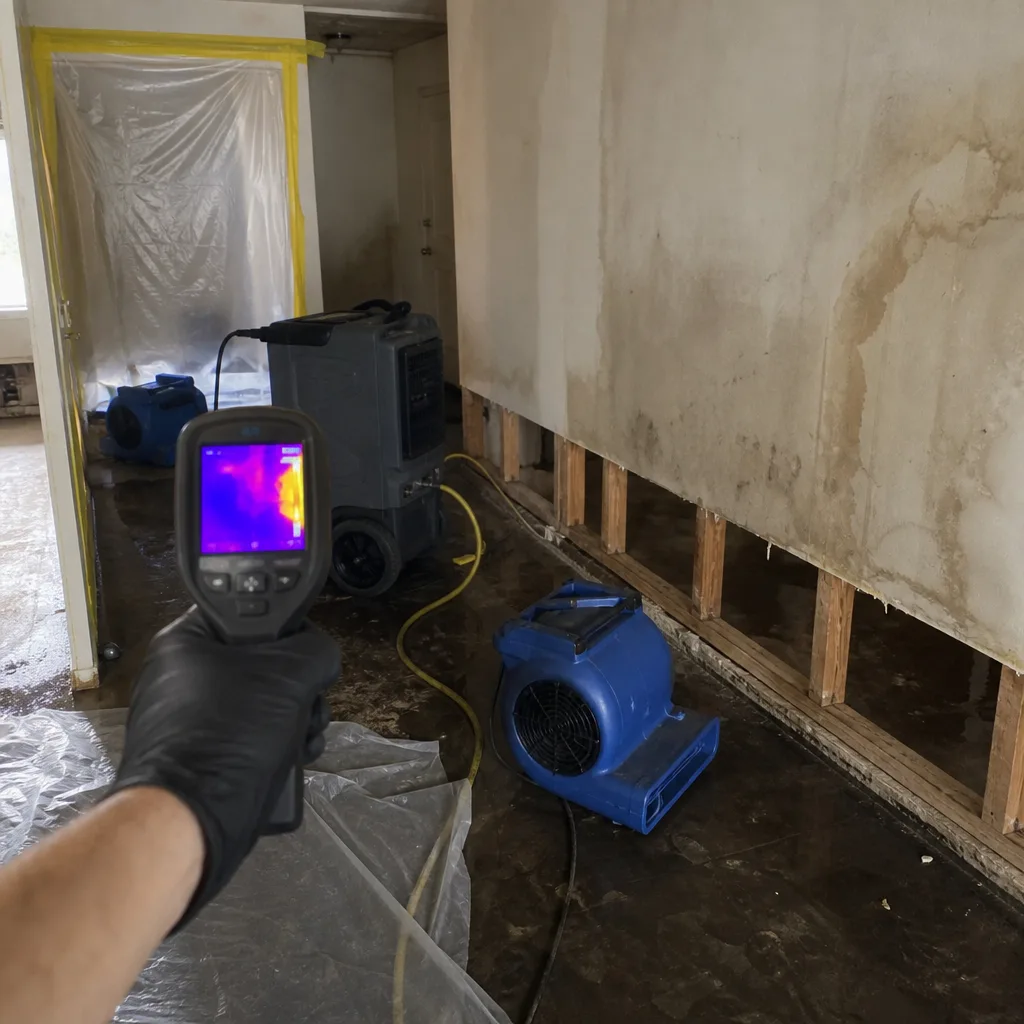
A crew arrives in uniform with shoe covers and drop cloths ready. We walk through the affected area with you, using moisture meters and thermal imaging to map where the water has traveled. We explain what we find in plain language. You will know what we are seeing and why it matters.
Step 3: We deliver a written price
Before any work starts, you get a written, line-item price. We walk through it together so you understand each item. No work begins without your approval of the number on that page.
Step 4: We extract and dry
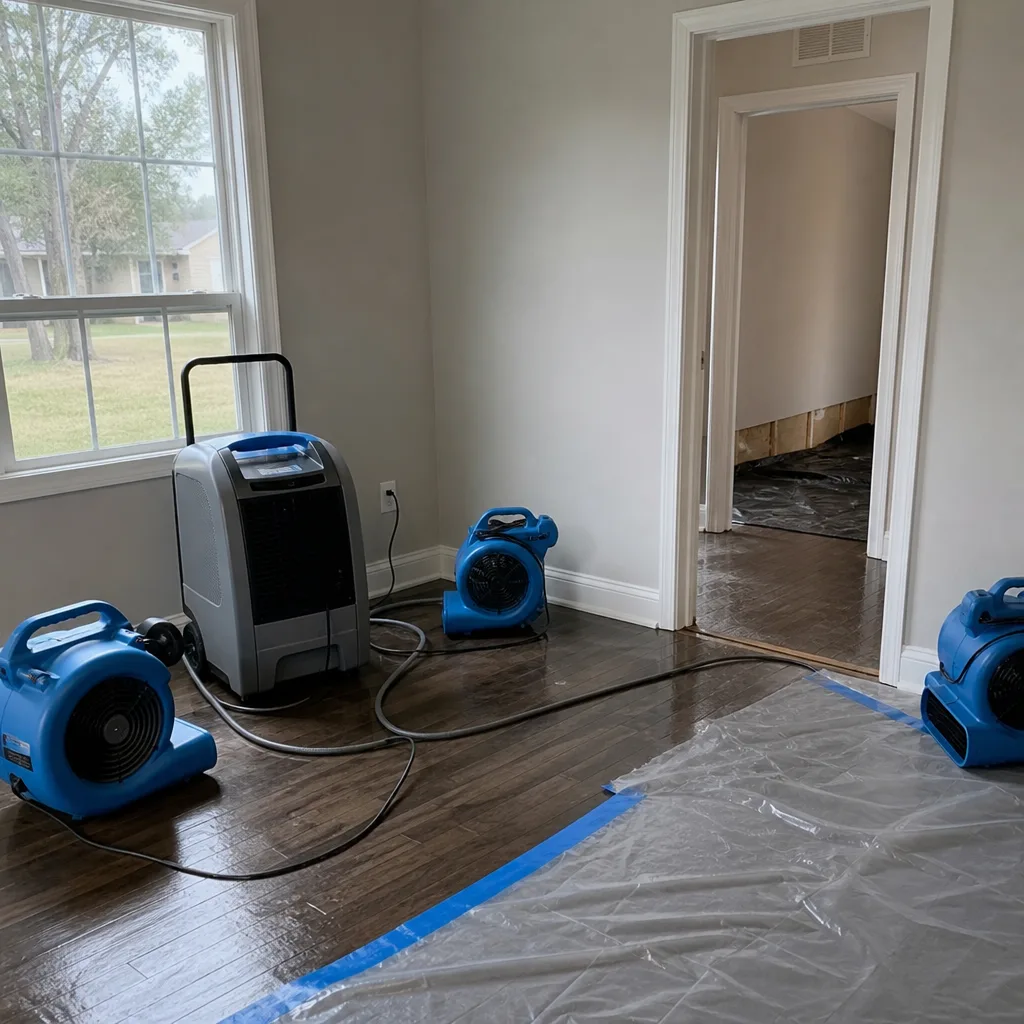
Standing water is removed with professional extraction equipment. Air movers and dehumidifiers are placed to dry the structure, and we monitor moisture levels daily until we reach dry standard, not just surface dry. The tide mark is our guide; we dry past it.
Step 5: We clean and confirm
We address any contamination with antimicrobial treatment appropriate for the water category. Porous materials that cannot be salvaged are removed and disposed of per Houston and Harris County regulations. We then take a photo of the clean-up and share it with you before the crew leaves.
Step 6: We follow the 365-Day Done Right Promise
If anything is not right within a year, we come back and make it right. That is the promise. Not a warranty line, not a fine-print clause. We stand behind the work.
FAQs – Storm & Disaster Restoration Cost in Houston
How much does storm damage restoration cost in Houston?
Storm damage restoration in Houston typically costs between $3,200 and $27,000, with most single-event residential jobs landing between $5,500 and $14,000. The range depends on water category, square footage affected, and how long the water sat before drying began. Call (325) 423-6800 for a free, written estimate specific to your home.
Does homeowner’s insurance cover storm damage restoration in Houston?
It depends on the cause. Wind damage from hail or tornadoes is typically covered under a standard Texas homeowners policy, but flood damage from bayous or street overflow requires separate NFIP flood insurance, which most Houston homeowners do not carry unless their mortgage lender requires it. We recommend reviewing your policy before storm season, and we can help document the damage in a way insurers accept.
Is it cheaper to repair storm damage or replace it?
For drywall, insulation, and flooring saturated by flood water, replacement is usually necessary and the cheaper long-term option, because attempting to dry these materials in Houston’s humidity often results in mold within 72 hours, adding $1,500 to $6,000 to the eventual bill. For structural framing, trim, and cabinetry, repair is often feasible if the water was clean and caught early. We will give you an honest recommendation based on what we find with our meters, not an upsell.
How fast can you respond to a Houston storm damage call?
Our Houston crews respond same day in most cases, and we run emergency calls 24/7. Water damage waits for no one, and in Houston’s climate, a fast start is the difference between a drying job and a mold job. Call (325) 423-6800 and a live person will get a crew moving toward you.
What hidden costs should I watch for in Houston storm restoration?
The three hidden costs that catch Houston homeowners off guard are mold remediation (needed when water sat for more than 48 to 72 hours), HVAC ductwork replacement (common when flood water reaches floor-level air handlers in slab homes), and permitting fees (required for structural, electrical, and mechanical repairs in the City of Houston). A written line-item quote as we provide should show these as separate line items before work starts, so nothing is hidden in the final invoice.
Do you offer payment plans for storm damage restoration?
Our focus is on getting the work priced fairly and working efficiently so that you can file a complete insurance claim. The written documentation we provide is designed to be insurance-ready. For out-of-pocket portions, we work with many Houston families on a case-by-case basis. Call (325) 423-6800 and we will talk it through.
Get a Free, Written Estimate for Storm & Disaster Restoration in Houston
When a storm passes through Houston, the work of putting a home back together is as much about trust as it is about labor. Our team at Tidemark Water Damage Houston has been doing this work in this city since 2006, and we have built our reputation on putting a written price in your hand before any tool comes off the truck, protecting your floors and furniture while we work, and standing behind the finished job for a full year. Rick Sumner leads our Houston team, and the standards we work to are the same ones we would want in our own homes.
Call (325) 423-6800 for a free estimate. A real person answers, day or night. We will listen, ask the right questions, and give you a number you can plan around. No pressure, no surprises, just a clear path from water damage to done right.
Pricing reflects the Houston market as of 2026. Tidemark Water Damage Houston offers free estimates – call (325) 423-6800. Written by Rick Sumner, Owner at Tidemark Water Damage Houston, serving Houston since 2006.
What Our Customers Say
"Water heater flooded the garage and part of the hall. The crew treated our home gently, laid protection everywhere, and were kind about how overwhelmed I was. Dried it out properly."
- Daniela Ross"Smoke damage after a small stove fire. They were considerate with our belongings, cleaned carefully room by room, and kept us updated calmly. House smells normal again."
- Nelson Pryor"Mold behind the shower wall. They contained it so it wouldn't spread, wore proper gear, and cleaned up meticulously. Honest that it was smaller than I'd feared."
- Gustavo Linney