

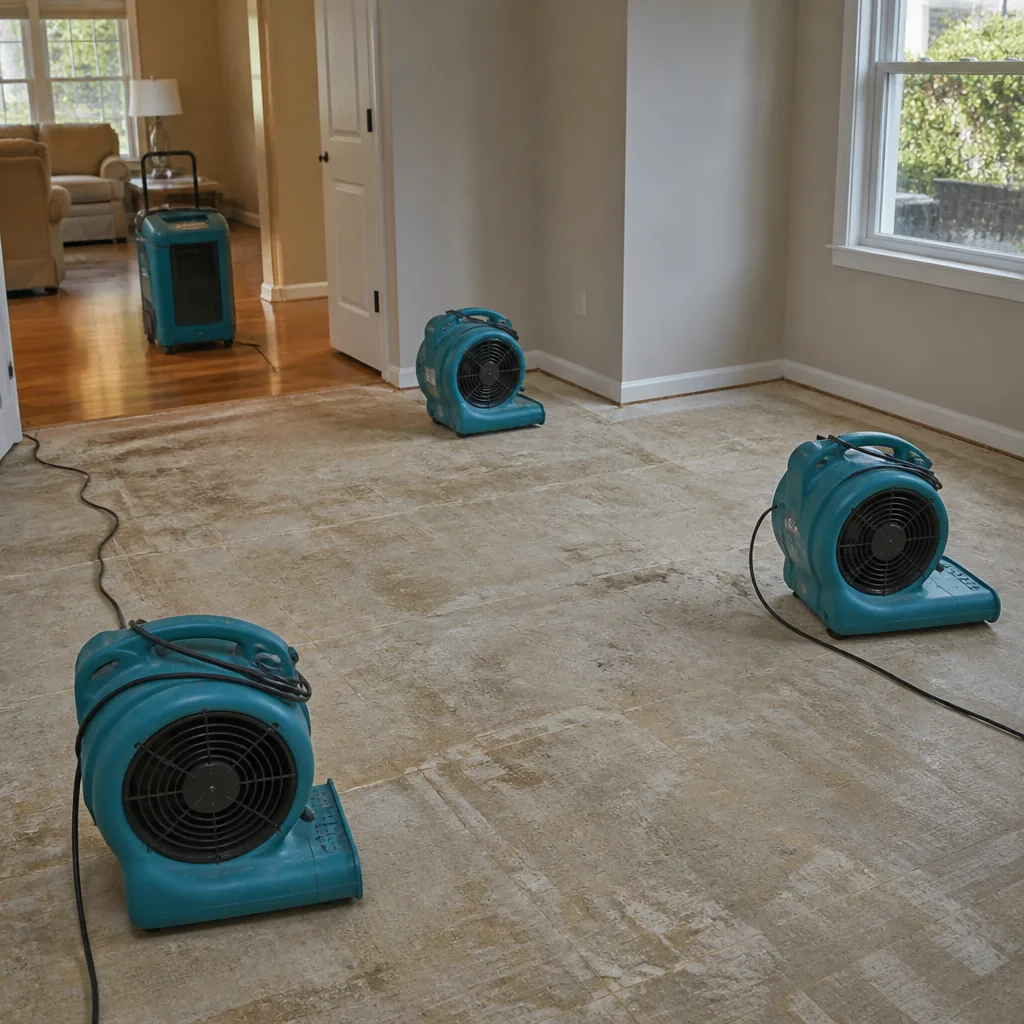
 Water damage drying
 Fire & smoke cleanup
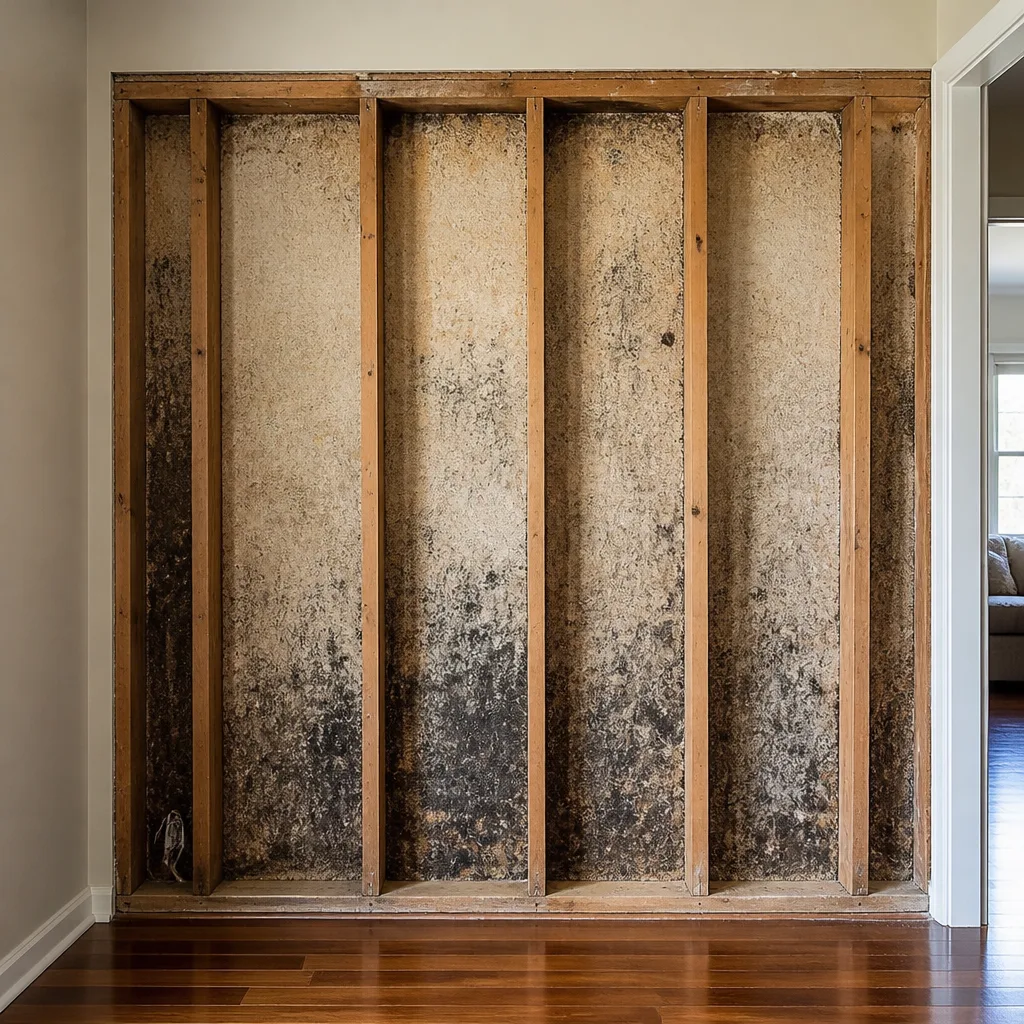 Mold remediation
 Storm response
 Sewage cleanup
 Reconstruction
Free visual inspection and a written scope of work before any mitigation begins - photos, moisture readings, and drying logs go in your claim file
The scope we write is the scope we bill. Anything new gets shown to you, in writing, before we touch it.
Get your free estimateRestoration work we handle
See the difference
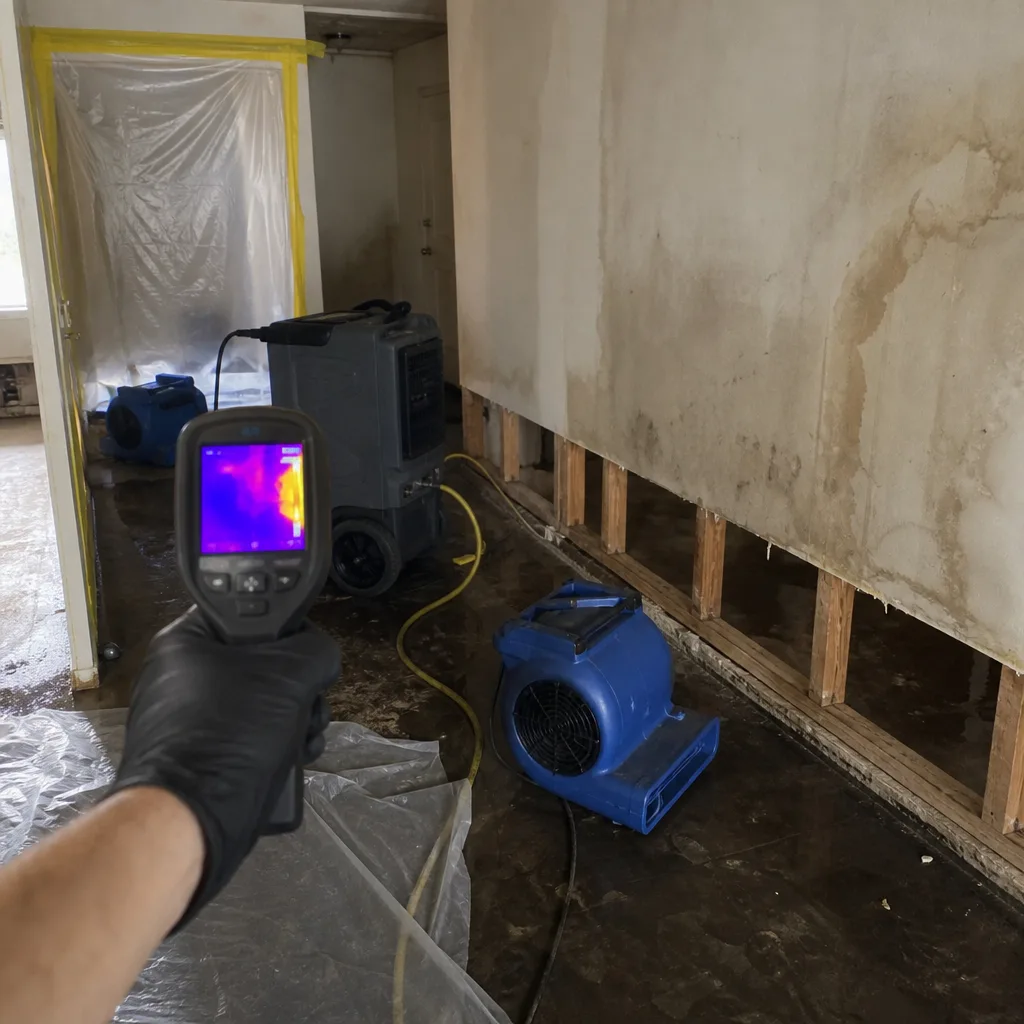 Before
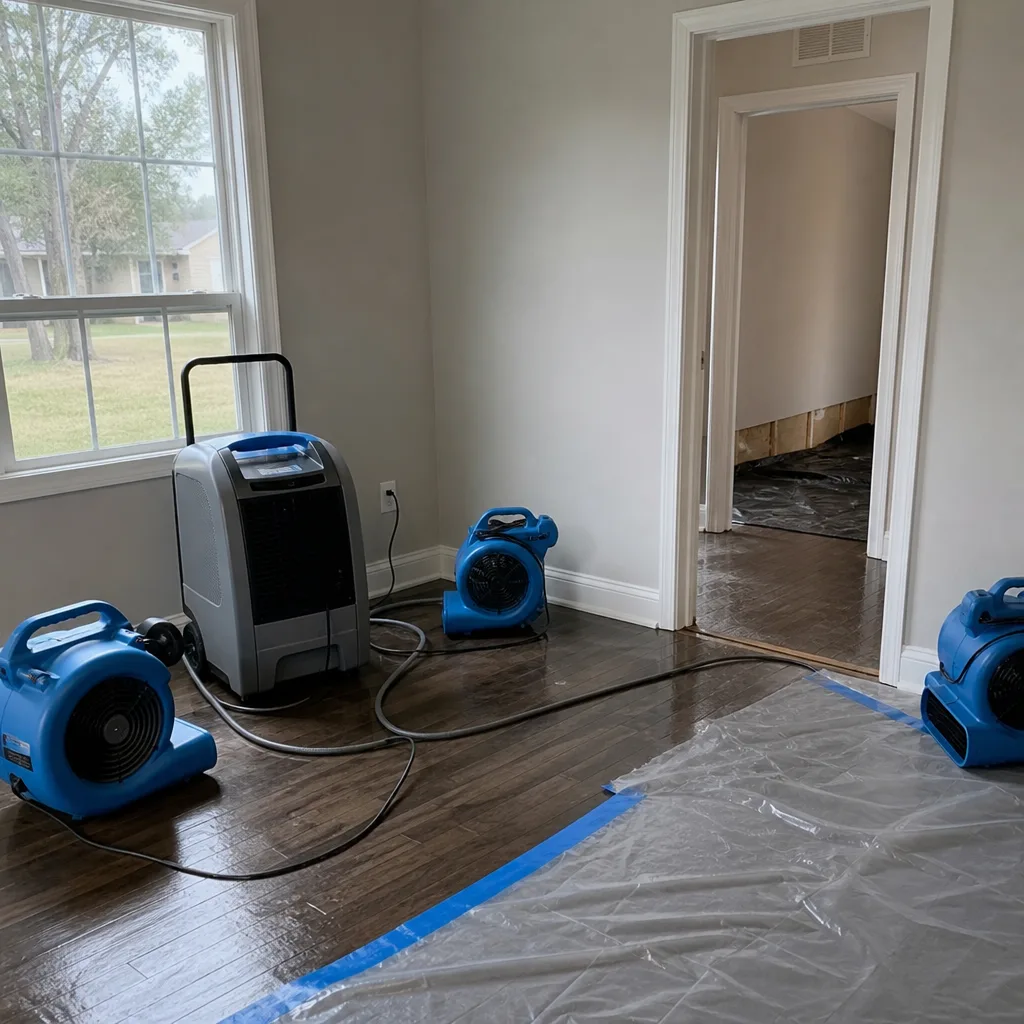 After
After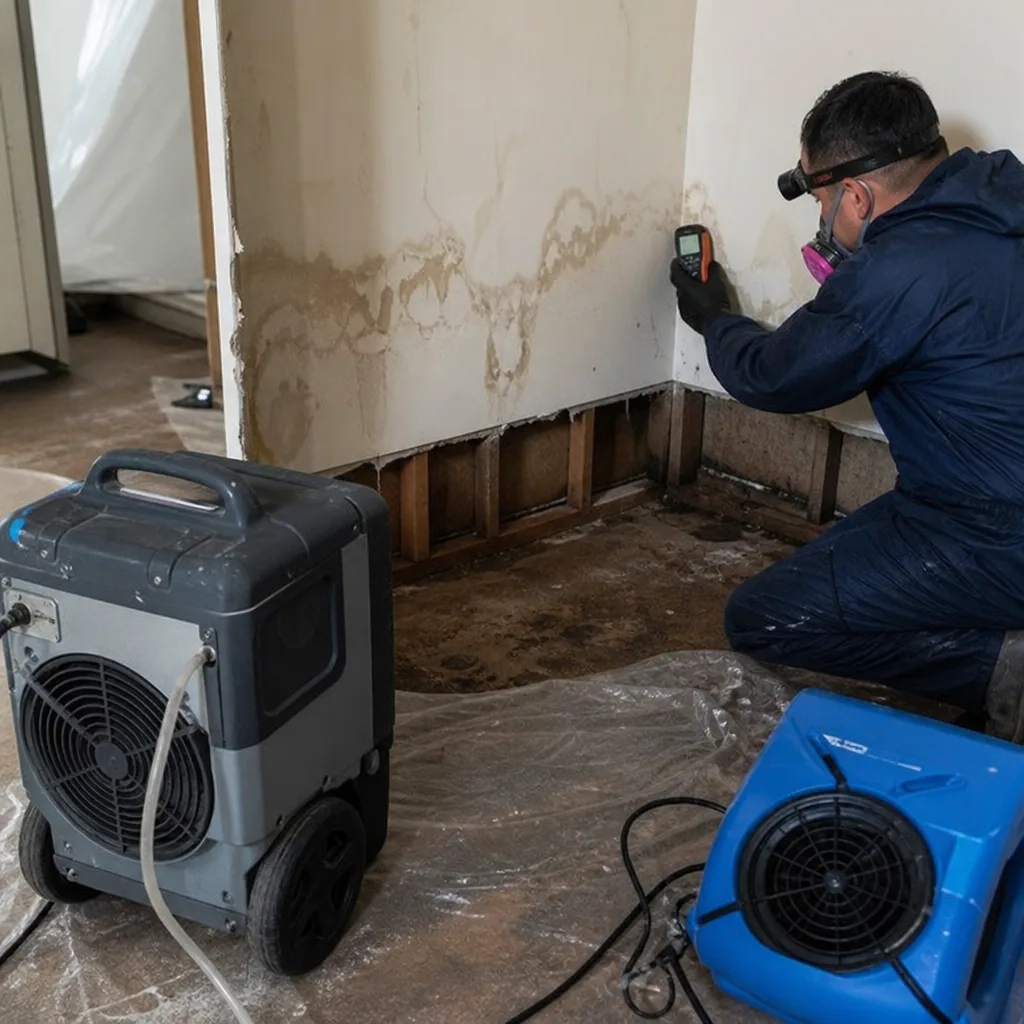 Before
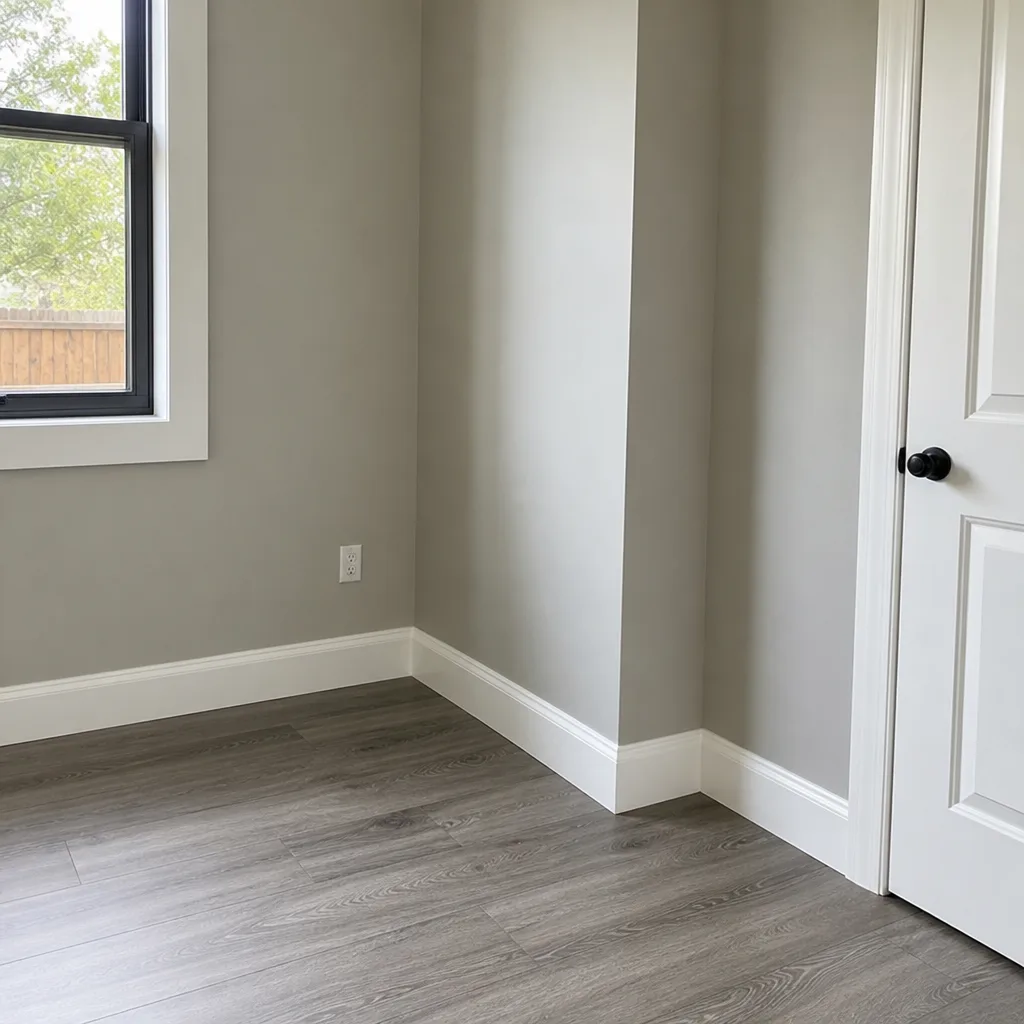 After
After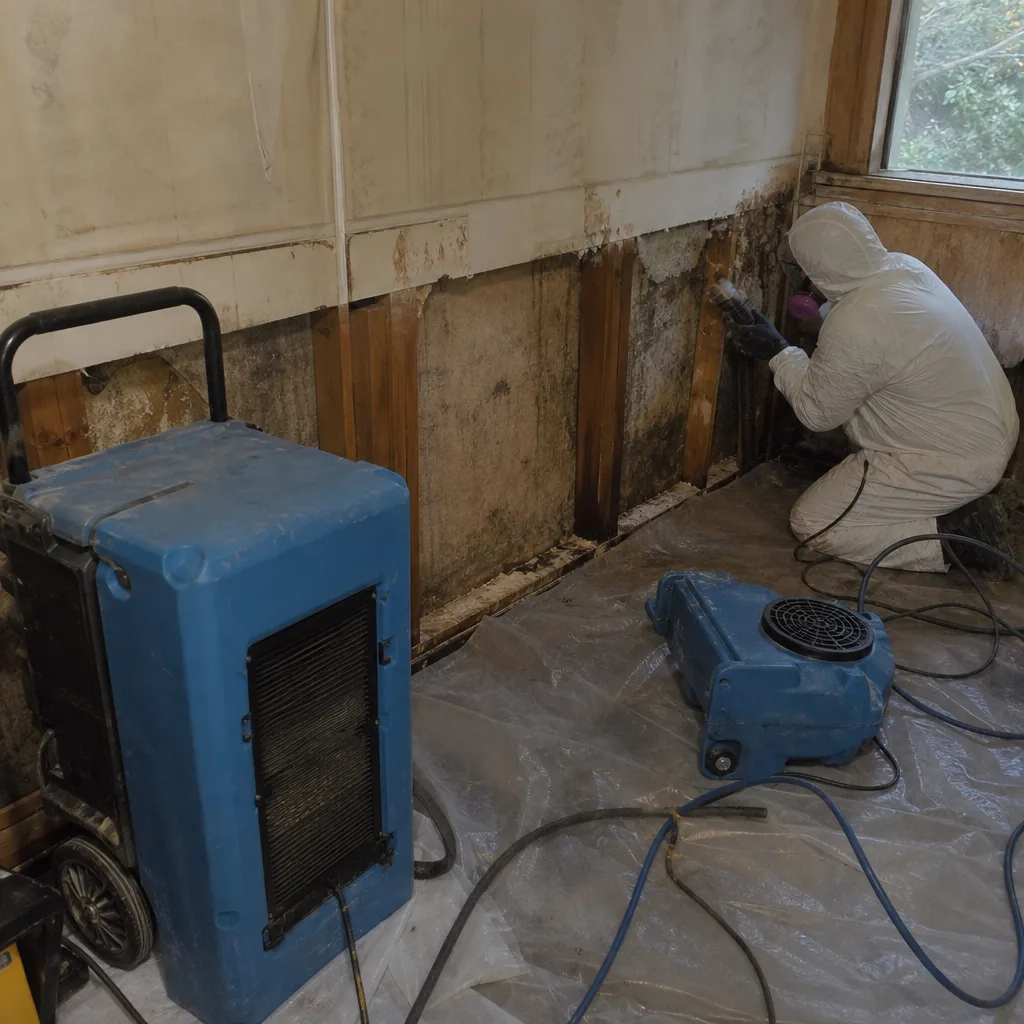 Before
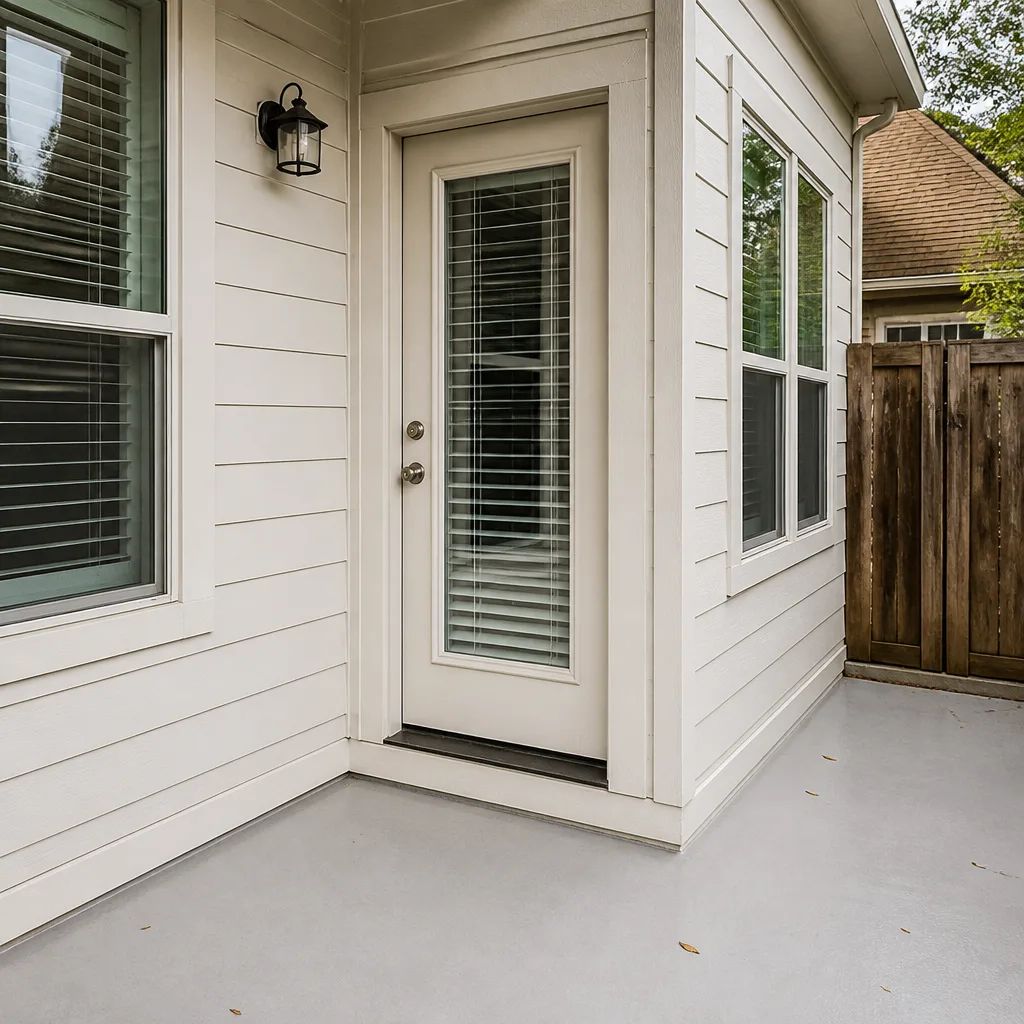 After
AfterHow Much Does Mold Remediation Cost in Houston?
Mold Remediation in Houston typically costs between $1,800 and $6,500 for most residential jobs, with the average homeowner spending around $3,400. Small, contained outbreaks (a bathroom ceiling, a closet wall) often fall between $800 and $1,800, while whole-attic or crawlspace jobs with structural drying can run $8,000 to $15,000. The two biggest variables are how far the mold has spread and whether the moisture source (a roof leak, a slow pipe drip, shower pan failure) is still active.
At Tidemark Water Damage Houston, every remediation project starts with a written price before any work begins. Rick Sumner and his technicians walk the property, find the tide mark, the line moisture leaves behind, and explain exactly what will be protected, what gets removed, and what the final number will be. No surprise line items on the back end.
Mold Remediation Cost Breakdown (2026)
Here is what Houston homeowners can expect to pay for mold remediation in 2026, broken down by job scope. These ranges reflect the Houston market specifically, where high humidity, clay soil, and hurricane-season moisture create conditions most other Texas cities do not deal with at the same intensity.
| Job Scope | Typical Houston Price Range | What It Includes |
|---|---|---|
| Small contained outbreak (single wall or ceiling section, under 10 sq ft) | $800 – $1,800 | Containment, removal of affected drywall or ceiling material, surface treatment, basic drying |
| Bathroom mold (shower surround, subfloor, vanity area) | $1,200 – $3,200 | Demolition of affected surfaces, moisture mapping, antimicrobial application, drying, rebuild prep |
| Attic mold (roof leak or poor ventilation) | $2,500 – $6,500 | Containment, insulation removal when needed, rafter and sheathing treatment, ventilation assessment |
| Crawlspace mold (common in Houston’s clay-heavy soil) | $2,000 – $5,500 | Vapor barrier assessment, joist and subfloor treatment, dehumidification setup |
| Whole-home remediation (flood event, long-term leak, or post-hurricane moisture) | $8,000 – $15,000+ | Full containment, multi-room demolition, structural drying, HEPA cleaning, post-remediation verification |
| Mold inspection and testing only (no remediation) | $300 – $700 | Visual assessment, moisture meter readings, air or surface sampling, written report |
The line between “cleaning up a little mold in the corner” and “full remediation project” is usually drawn by how much water got somewhere it should not have been. In Houston, that threshold gets crossed fast. A bathroom exhaust fan that vents into the attic instead of outside can saturate insulation over a single humid summer. A slab leak under a hallway can wick moisture up through the drywall for months before the first dark spot appears. When we find cases like these in neighborhoods like Meyerland, Braeswood Place, or the Heights, the scope is almost always bigger than the visible mold patch suggests.
What Affects Mold Remediation Pricing in Houston
- Square footage of affected material. Remediation pricing tracks closely to how much drywall, insulation, carpet, or cabinetry must be removed and replaced. A 4-by-4 patch is one visit. A 400-square-foot ceiling across a living room and kitchen is multiple days and a dumpster.
- Location of the mold. Attics and crawlspaces cost more because the work happens in confined, hot, awkward spaces. Houston attic temperatures in summer routinely exceed 120°F, which slows crews, shortens safe work windows, and requires cooling breaks. Crawlspaces under older homes in Garden Oaks or Timbergrove often hold standing water in the clay soil, which means the moisture problem has to be solved alongside the mold itself.
- Type of mold. Most Houston mold is common aspergillus, penicillium, or cladosporium, the types that love humid indoor environments. Stachybotrys, what people call “black mold,” requires heavier containment, HEPA air scrubbing, and more extensive PPE. Testing tells you which one you have, and it changes the labor cost.
- The moisture source. If the leak is active, remediation includes the repair or at minimum the coordination with a plumber, roofer, or HVAC contractor. A roof leak repaired before remediation is cheaper than a roof leak discovered mid-job. Houston’s storm seasons mean many homeowners find active roof or window leaks at the same time they find mold.
- Access. Mold behind built-in cabinetry, under a slab, or above a vaulted ceiling takes longer to reach and costs more to remove safely. Older Houston homes, especially bungalows in Montrose or the Heights, often have remodel layers that hide moisture for years.
- Post-remediation verification. A clearance test, which confirms spore counts have returned to acceptable indoor levels, adds $300 to $500 but is worth asking for. It documents that the job was done to a defensible standard, which matters for resale disclosure and for your own peace of mind.
Is Mold Remediation Covered by Homeowners Insurance in Houston?
The short answer: sometimes, and it depends almost entirely on the cause of the moisture. Most standard Texas homeowners policies cover mold remediation when it results from a covered peril, like a burst pipe, a storm-damaged roof, or a water heater failure. They do not cover mold from long-term maintenance issues, like a slow drain leak behind a wall or years of high indoor humidity. Coverage limits often fall between $1,000 and $10,000, with many policies in the Houston market sitting at the lower end unless a rider was purchased.
What we tell homeowners in Houston: document everything before you call your insurer. Photos of the moisture source, photos of the visible mold, and notes on when you first noticed it. If a plumber diagnosed the leak, get that in writing. The claim is won or lost on causation. Tidemark works directly with adjusters on covered losses and provides the written scope and photo documentation they typically request.
How the Mold Remediation Process Works in Houston
Here is the step-by-step process we follow at Tidemark Water Damage Houston, and what you can expect at each stage. This is the same process Rick Sumner has used since founding the company in 2006, refined across thousands of Houston homes.
- Inspection and moisture mapping. We find the tide mark first. Using moisture meters and thermal imaging, we trace where the water went, not just where the mold is visible. That often means looking behind baseboards, under flooring, and inside wall cavities. You receive a written scope and a written price before anything else happens.
- Containment setup. Before demolition starts, we seal the work area with plastic sheeting and run negative air pressure so spores do not travel to the rest of your home. Shoe covers go on at the door. Drop cloths cover the floor before the first piece of equipment comes in.
- Removal of affected materials. Drywall, insulation, carpet, or padding with mold growth is cut out and bagged on site, then removed through the shortest safe path. We ask before we move or touch anything beyond the affected area.
- Surface treatment and drying. Remaining structural surfaces, studs, joists, sheathing, get treated with professional-grade antimicrobial products. We use equipment from Dri-Eaz, Phoenix, XPOWER, B-Air, and Injectidry to dry the area thoroughly, past the surface, because moisture that lingers is just the next mold colony waiting.
- Post-remediation verification. Once the area is clean and dry, we take air or surface samples as needed and share the results with you. Before the crew leaves, we take a photo of the clean-up and show you exactly what was done and how it was left.
- Rebuild coordination. If you need drywall, flooring, or cabinetry replaced, we can coordinate with licensed contractors or handle the rebuild scope directly, depending on the project. The 365-Day Done Right Promise covers every step: if the restoration is not done right, Tidemark makes it right.
DIY Mold Removal vs. Professional Remediation: What Houston Homeowners Should Know
For a small, isolated spot on a non-porous surface, like bathroom tile grout or a window sill, a homeowner can often wipe it clean with a household antimicrobial cleaner and fix the moisture issue causing it. That is cleaning, not Mold Removal, and it is a reasonable first step when the affected area is under roughly 10 square feet and you can see exactly where the moisture came from.
But the moment mold covers drywall, spreads behind a surface, or appears after a leak or flood, the equation changes. Cutting into moldy drywall releases spores into your home’s air. Without containment, those spores move through the HVAC system into every room. Without proper drying, the mold returns wherever the moisture remains. And in Houston’s climate, where relative humidity runs high most of the year, a partially dried wall cavity can stay damp for months. If you see mold on multiple walls, smell a musty odor you can not locate, or find mold after a water event, call a professional. Call us at (325) 423-6800 and we will walk you through what we are seeing before you spend a dollar.
Houston-Specific Mold Considerations
Houston presents a set of mold conditions that differ from Dallas, Austin, or San Antonio in one critical way: sustained humidity plus frequent water intrusion events. The city averages 90-plus percent relative humidity on summer mornings. After Hurricane Harvey, thousands of homes were remediated, but thousands more retained moisture in wall cavities and were never properly dried. When those homes get sold or remodeled, that hidden moisture often shows up as mold.
Older Houston neighborhoods, homes built before modern vapor barriers and ventilation standards, carry particular risk. Homes in Timbergrove, Oak Forest, and Garden Oaks, many built in the 1950s and 1960s, often have crawlspaces over clay soil that holds water through wet winters. Pier-and-beam construction means wood joists sit close to that moisture. Add a bathroom with no exhaust fan, and you have a textbook mold environment.
The good news is that Houston also has a deep bench of experienced remediation professionals. The IICRC standards for mold remediation were written with climates like ours in mind. When you hire a firm with IICRC-certified technicians, you are hiring people trained specifically in the drying science and containment protocols that humid coastal climates demand.
How to Save on Mold Remediation in Houston
- Catch it early. The cheapest mold job is the one that has not spread yet. Check under sinks, around toilets, behind the washing machine, and in attic corners after every heavy rain. A $900 patch now beats a $6,000 remediation in six months.
- Fix the moisture source immediately. A plumber call for a dripping pipe costs $200 to $500. Waiting means the mold grows while you decide. The moisture fix is the one part of this you should never delay on.
- Get a written scope from more than one company. Pricing in Houston varies. Ask each company to itemize the scope: square footage of removal, containment method, drying equipment, treatment products, verification testing. Compare line items, not just bottom lines.
- Ask about insurance before assuming it is not covered. If the mold traces to a sudden pipe burst or storm event, your policy may cover most of the cost. Some Houston homeowners pay $3,000 out of pocket for a claim they never filed.
- Ask about the clean-up, not just the removal. The lowest bid may not include HEPA vacuuming, post-remediation air scrubbing, or a clearance test. You want the job done to a standard you can verify, not just a surface that looks clean.
Tidemark Water Damage Houston offers free estimates. Call (325) 423-6800, tell us what you are seeing, and we will give you an honest read on whether you need remediation at all, before anyone schedules a visit. That is the written price promise: you see the number before the work, every time.
FAQs – Mold Remediation Cost in Houston
How much does mold remediation cost per square foot in Houston?
Most Houston remediation jobs run $12 to $28 per square foot of affected material. The range is wide because a contained bathroom job with easy access sits at the low end, while an attic job in summer heat or a crawlspace with standing water sits at the high end. Call (325) 423-6800 for a written quote specific to your home; the estimate is free.
Is it cheaper to remove mold myself or hire a professional in Houston?
For surfacing cleaning under 10 square feet on non-porous material, DIY can cost under $100 in supplies. Once drywall, insulation, or subfloor is involved, professional remediation typically costs $800 to $6,500, and doing it wrong can double the eventual cost when mold returns. If you see mold on more than one wall or smell it without seeing it, call (325) 423-6800 before cutting into anything.
How long does mold remediation take in Houston?
Small jobs finish in one day, $800 to $1,800 in scope. Larger jobs with containment, demolition, drying, and verification take two to five days and run $2,500 to $6,500. Whole-home remediation after flooding can take a week or more. We give you a timeline in the written scope before work starts.
Does black mold remediation cost more than regular mold in Houston?
Yes. Stachybotrys, or “black mold,” requires heavier containment, HEPA air scrubbing, stricter PPE, and more air changes per hour during the job. Expect a 20 to 40 percent premium over standard mold remediation, or roughly $2,300 to $9,100 depending on scope. Mold Inspection & Testing, which costs $300 to $700, tells you what type you are dealing with.
Can you come today for mold remediation in Houston?
In most cases, yes. Our phones are answered by a live person 24/7, not a voicemail, because a Saturday afternoon discovery of mold behind a bathroom vanity should not wait until Monday. Emergency response is available across the Houston area, and every job receives a written price before work begins. Call (325) 423-6800.
What happens if the mold comes back after remediation?
If the moisture source was fully corrected and the affected materials were removed, mold should not return. If it does, the 365-Day Done Right Promise covers it: if the restoration is not done right, Tidemark makes it right. That promise is in writing and it covers every job we do, whether the scope was $900 or $15,000.
Why Houston Homeowners Choose Tidemark for Mold Remediation
We are the independently owned, locally operated arm of the Cedarwell Care Promise network. The difference shows in the details other companies skip. Shoe covers go on at the door, and drop cloths go down before equipment rolls in. We use pet-safe products where there is a choice, and lower-decibel settings during school hours and nap time. Your floors, your furniture, and your family’s routine do not become collateral damage to the remediation.
Every Tidemark technician is background-checked, uniformed, and credentialed through IICRC, RIA, or IFA. They run professional drying equipment from Dri-Eaz, Phoenix, XPOWER, B-Air, and Injectidry, the same machines used by leading restoration specialists. And the tide mark, the line water leaves on a wall, is the first thing we look for on every job, because mold is almost always a water problem first.
Rick Sumner has been leading this work since 2006, and the standard has not changed: explain the price before the work, protect the home while the work happens, and stand behind the result long after the crew leaves. If you are looking for mold remediation in Houston, we would welcome the chance to walk your home with you and show you exactly what we see. Read more about our approach on our home page, or call us directly at (325) 423-6800 for a free estimate. A real person answers.
Pricing reflects the Houston market as of 2026. Tidemark Water Damage Houston offers free estimates – call (325) 423-6800.
Written by Rick Sumner, Owner at Tidemark Water Damage Houston, serving Houston since 2006.
What Our Customers Say
"Flooded laundry room. They set up fans but were thoughtful about the noise around the baby's room and moved equipment when I asked. Kind, clean, and they checked in daily."
- Marcus Delacroix"Flooded laundry room. They were thoughtful about the fan noise near the nursery and moved equipment when I asked. Checked in every single day."
- Reuben Castillo"Water heater flooded the garage and part of the hall. The crew treated our home gently, laid protection everywhere, and were kind about how overwhelmed I was. Dried it out properly."
- Daniela Ross